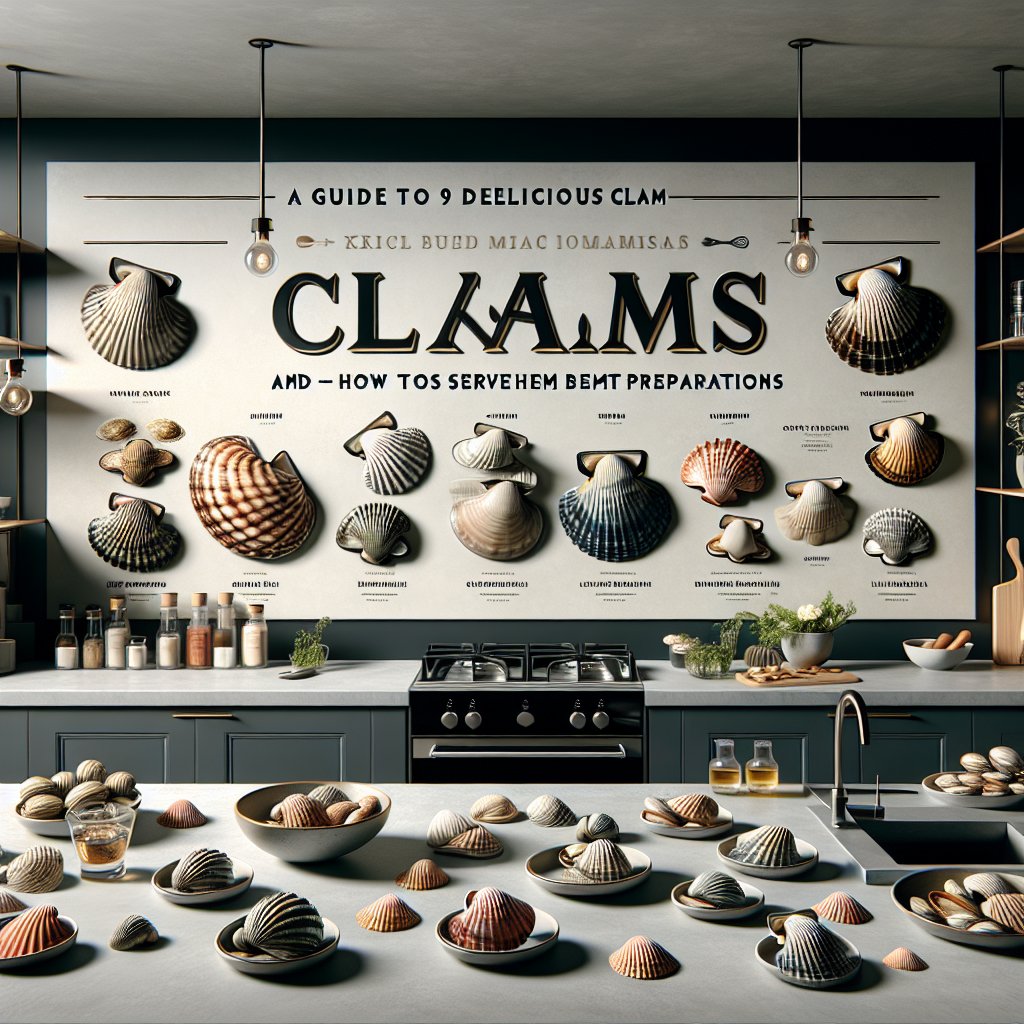
Discover the world of clams with this guide to some delicious varieties. Understand how certain types of clams are named, either by variety or size, and find out how to identify different kinds. The clams you eat raw differ from those used in pasta dishes.
Our guide will help you differentiate a littleneck from a manila clam, crucial whether organizing a clambake or making clam chowder.
– **Taste/Texture**: Mild, sweet, and briny.
– **Best served**: Raw on the half shell, cut up in chowder, or stuffed.
– **Tip**: Varieties include littlenecks, top necks, cherrystones, and chowders.
Steamers feature tender, slightly salty bellies, best served steamed and with butter. It’s suggested to soak these in salted water before cooking.
Cockles offer a delicate and slightly sweet taste, ideal for pastas and sauces. They cook quickly, so remove them from heat as soon as they open.
For a salty and briny flavor, Manila clams shine steamed or in sauces. Their shells offer a lovely presentation with a deep purple interior.
Surf clams provide a mild, sweet, yet chewy texture, often used fried or in canned form to enhance soups and pastas with their juice’s flavor.
Geoducks offer a salty, sweet crunch, versatile in preparation from raw to grilled applications. Their necks and bodies provide varied textures for different dishes.
Ocean quahogs bring a strong clam taste, perfect for chowders, stews, or sauces; typically chopped before cooking.
Pacific Razor clams, both briny and sweet, are best steamed or sautéed. Rinse them in water without soaking.
Lastly, Atlantic Jackknife clams are characterized by their sweet and meaty nature, versatile enough to be served raw or cooked in various styles. Caution is advised during preparation, as their shells can be sharply edged.
Ready to shuck? Cleaning and proper knife technique will ensure a meal to remember. Insert the knife into the seam, twist, and prepare for a delicious shellfish feast.