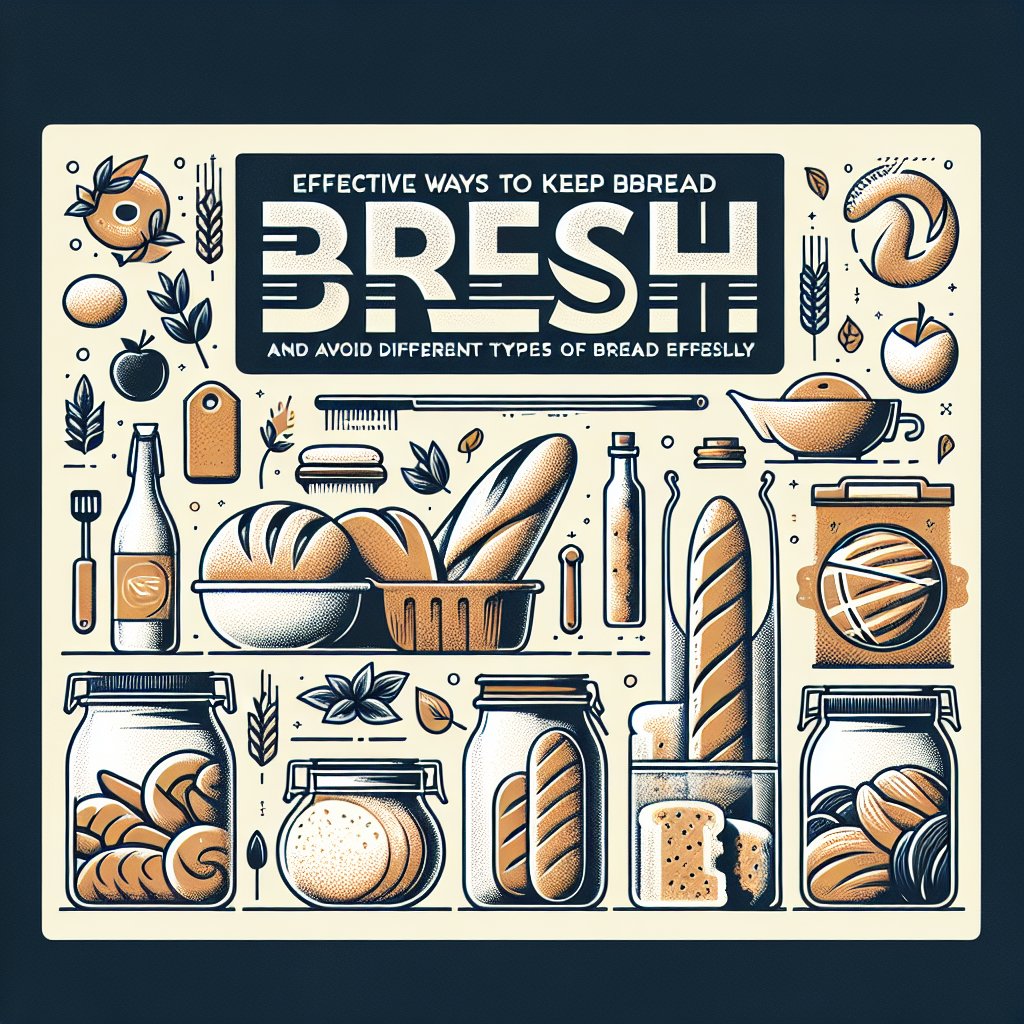
Bread is a staple in many households, pivotal for making sandwiches, toast, or even homemade croutons. However, its freshness can be fleeting unless stored correctly. Here’s how you can keep your bread from going stale or moldy.
Firstly, the storage method depends on the bread type. For homemade sourdough, slice only what you need and keep the remaining loaf in a brown paper bag to maximize its shelf life. A bread box is also a great option for storing different bread types, reducing oxidation and keeping the bread fresh.
For those who prefer alternatives, wrapping bread in wax paper or a dishcloth can suffice, but it’s vital to avoid plastic wraps as they promote mold. Sourdough enthusiasts should note that due to its lack of preservatives, it is best stored unsliced in paper bags, lasting up to a week.
Contrastingly, store-bought bread often contains preservatives, extending its freshness. While the packaging it comes in typically suffices, non-preserved bread variants—like those from Trader Joe’s—are best partially stored in the freezer.
Freezing is an excellent preservation method, extending a loaf’s life up to three months. When ready to use, thaw an unsliced loaf at room temperature or reheat it in a 350-degree oven for optimal taste. Sliced bread requires less time to thaw and can be instantly revived by toasting.
By following these methods, you can enjoy fresh bread at any time while minimizing waste.