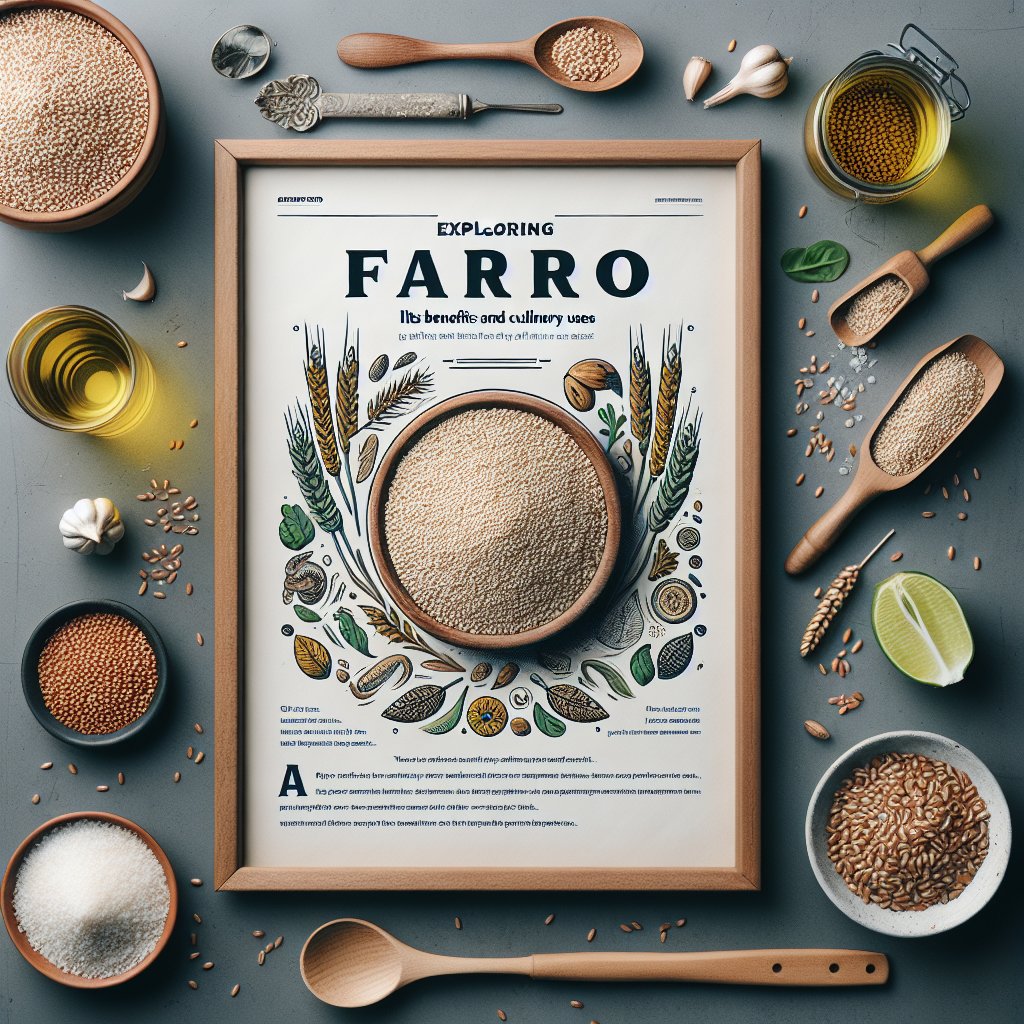
Learn all about the healthy grain. Farro is on the rise due to its versatility and chewy texture. But what is farro, exactly? This ancient grain, resembling a mix of rice and barley, has been cultivated for thousands of years, originating from the Fertile Crescent in Western Asia. Farro is also known for its low gluten content and high protein levels, bringing a nutty flavor and chewy texture to dishes.
As an ancient wheat grain, farro has three varieties: spelt, emmer, and einkorn. It can be eaten in soups, pilafs, and salads or ground into flour for baking. Farro is valued for its nutritional benefits, being a good source of fiber, iron, and magnesium, which are beneficial for heart and brain health. It also offers more fiber and protein than quinoa and brown rice.
When cooking farro, it can be used like pasta. Simply boil in salted water until soft. It can also be prepared in a slow cooker or multi-cooker. Soaking farro overnight might reduce cooking time. It works well as a creamy base in risottos or as separate grains in salads.
Incorporate farro into various recipes: try a spring salad with asparagus, feta, and pistachios, or a summer dish with grilled squash and Parmesan. Its nutty taste pairs well with fruits, such as in a pomegranate vinaigrette salad.
Farro adds texture to soups, pairing well with mushrooms for a rich flavor. As a side, it can be broiled to add a crispy element to salads. It’s versatile enough to complement seafood, like in a light tuna salad perfect for picnics. Store cooked farro in the refrigerator for up to five days, or freeze for later use. Now that you know how to use farro, explore new recipes that showcase this ancient grain’s unique qualities.