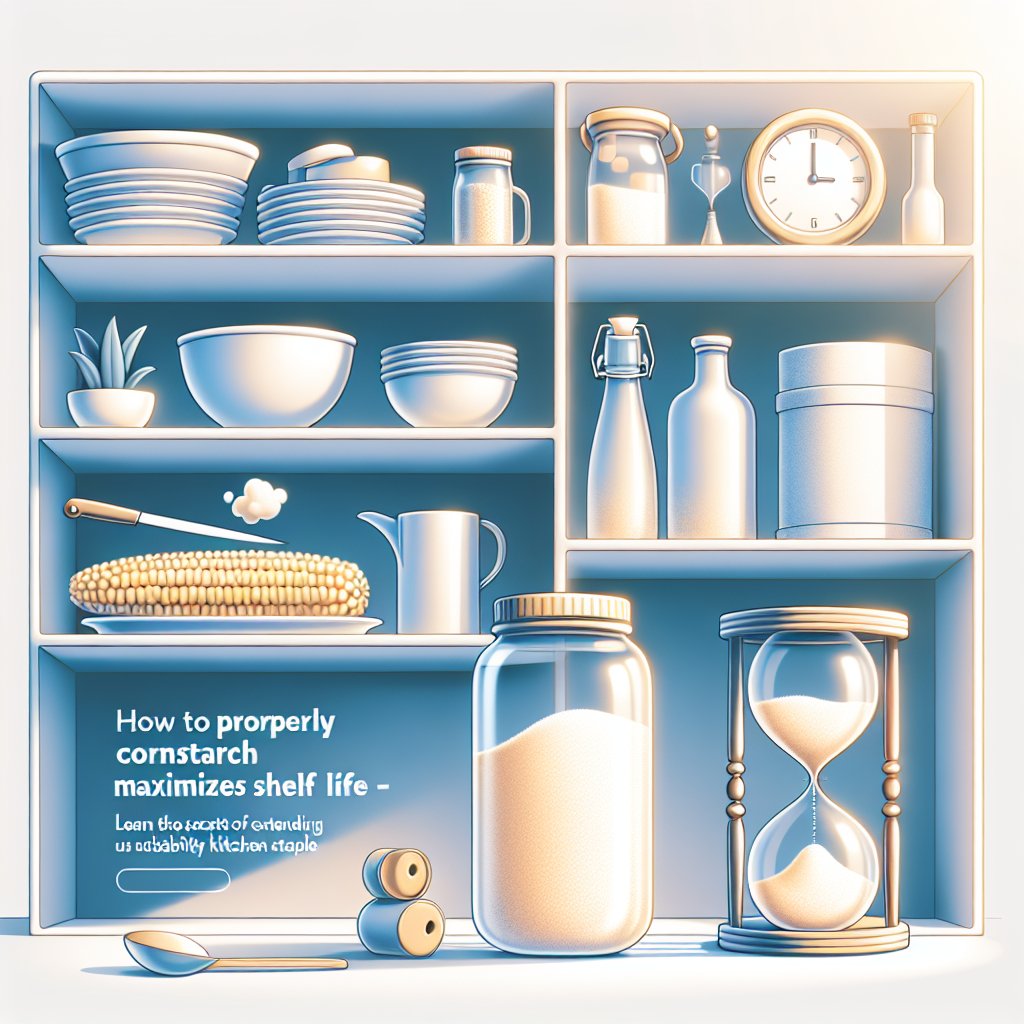
Cornstarch is an invaluable kitchen staple known for its versatility and longevity when stored properly. Despite common concerns, cornstarch doesn’t expire in the traditional sense, allowing it to be used for years if kept in the right conditions. The key to maximizing its shelf life lies in proper storage — a cool, dry place inside a tightly sealed container to protect it from moisture and pests.
This fine powder is widely used to thicken sauces, gravies, and stews and to maintain crispiness in culinary creations. While cornstarch retains its thickening ability for extended periods, improper storage conditions such as excessive heat can degrade its potency.
If you encounter an unusual smell, taste, or color, or if the powder has been contaminated by moisture or pests, it is advisable to discard it. Both bacteria and fungi can thrive in moist conditions, posing a health risk if consumed. Thus, ensure that your storage methods are effective.
Cornstarch can serve multiple purposes around the home as well. It is an efficient grease stain remover and can deodorize surfaces. By familiarizing yourself with its uses, you can not only optimize your pantry’s contents but also prevent wastage. In cooking, cornstarch can substitute for flour—a more effective choice for thickening when used at half the quantity of flour required.
Always add cornstarch during the final stages of cooking or once your liquid reaches a boil to achieve the best results. While cornstarch is entirely different from corn flour, often confused with one another, it’s important to recognize that corn flour contains proteins and fibers, unlike the carbohydrate-rich cornstarch used primarily for thickening.