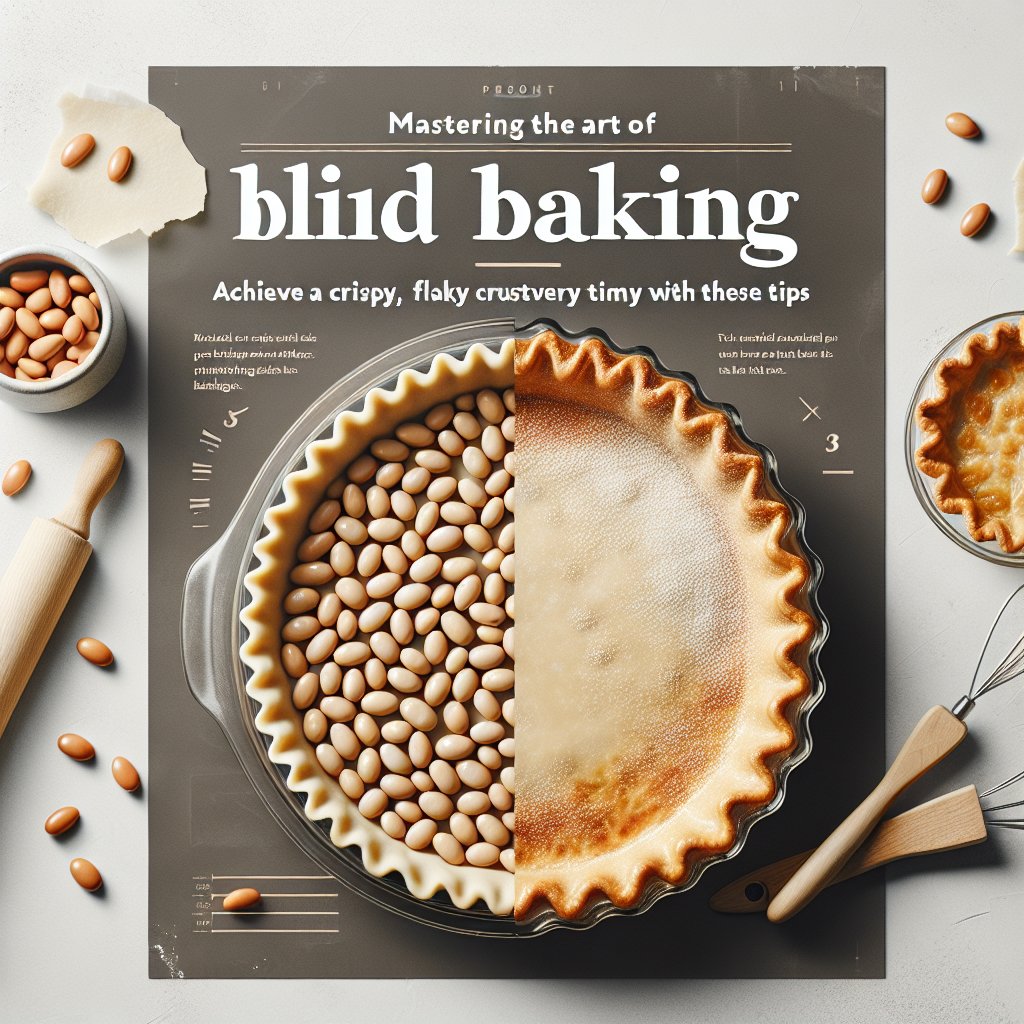
Banish the dreaded soggy bottom from your pies with our comprehensive guide to blind baking. Blind baking, essential for achieving a perfectly crisp and flaky pie crust, involves baking the crust before adding any filling. This technique is crucial for pies that require a cooked crust or when you want an extra-crisp foundation for your fillings.
Blind baking is especially important for custard pies, like pumpkin, and no-bake desserts, such as lemon meringue or banana cream pie. It helps create a barrier against wet fillings that might otherwise leave the crust raw and unappetizing.
To blind bake your crust, start by chilling your prepared pie dough in the freezer for about 15 minutes. This step helps maintain the crust’s shape as the fat within the pastry takes longer to melt during baking. Once firm, line the dough with parchment paper or aluminum foil and fill it with pie weights or alternatives like dried beans or rice. This prevents puffing and ensures even baking.
Bake the crust in a moderate oven until it begins to dry and achieves a light golden color for par-baked types or a deeper golden brown for fully baked. After partially baking, fill your crust and finish baking your pie until the filling sets. For a fully baked crust, bake longer until you achieve a deep, caramelized color. Avoid burning by selecting the right temperature and baking time.
Consider using an egg wash after blind baking to add a crisp layer which helps seal the crust from the moist filling. Greasing the pan is unnecessary due to the natural fat content of the dough. Avoid using wax paper in the oven as it will melt; parchment or foil is recommended.
By mastering blind baking, you’ll ensure that your pies have a tender, non-soggy crust worthy of any pastry chef. Follow the steps above to perfect your pie crust technique and enjoy flawless results every time.