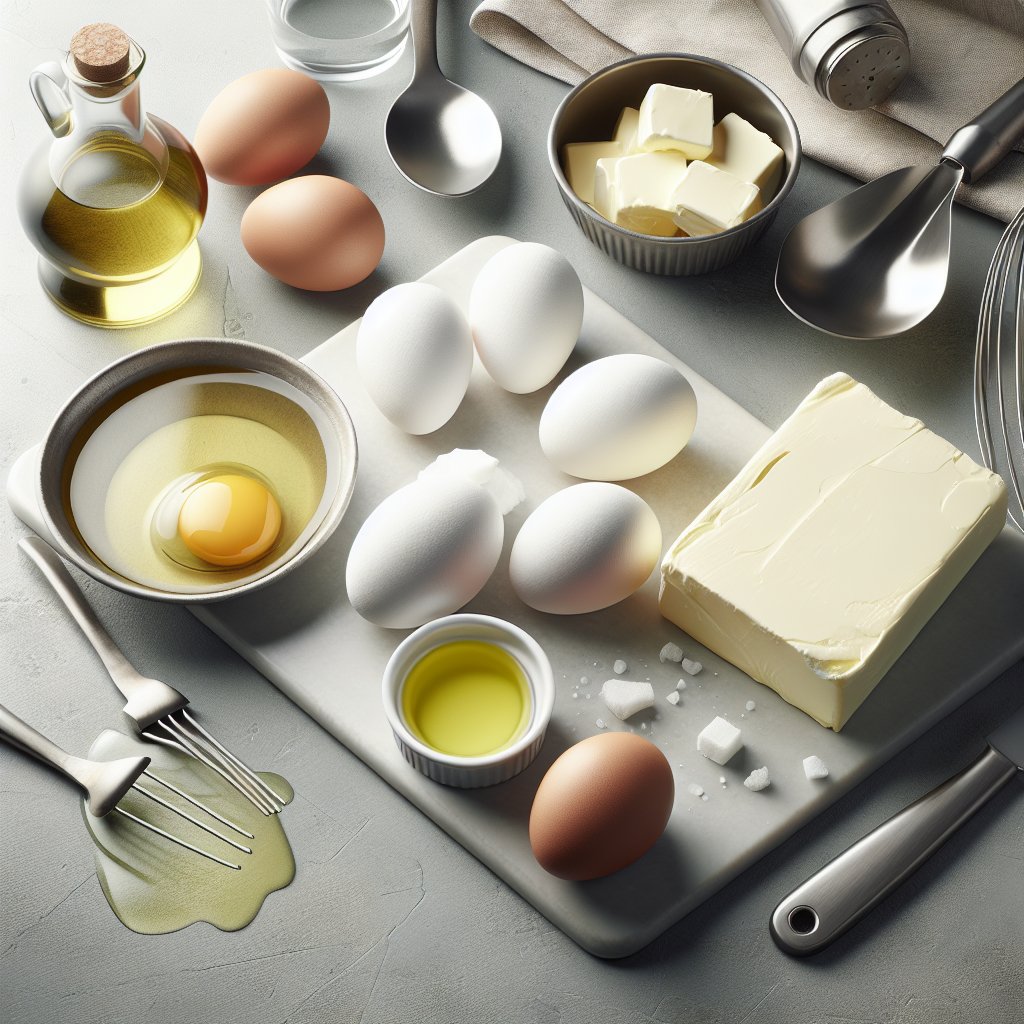
Choosing between butter and oil can make all the difference when cooking eggs. While both are viable options, they impact flavor, texture, and cooking ease in various ways. Chefs agree that butter is typically preferable, providing a rich taste and visual cues like foam to indicate a properly heated pan without being too hot. However, for high-heat cooking, oils with high smoke points, such as avocado oil, are favored to avoid burning.
Chef Nelson Serrano-Bahri notes using both fats for different effects, advocating butter for its flavor and control but switching to oil for higher temperatures. Butter’s water content contributes to steam, which aids in making eggs fluffy, a preference shared by chefs for dishes like scrambled eggs and omelets.
When high heat and crispy textures are desired, such as with fried or Asian-style eggs, oil is preferred. The absence of water content in oil allows for crispier edges without steaming the eggs. David Leite, a cookbook author, prefers oil for a crisp finish in fried eggs and frittatas, where added stability and browning are desired.
For a balance, some chefs recommend a mix of butter and oil to benefit from both fat types in a single dish. This combination stabilizes the cooking process, preventing butter from burning while providing flavor and resilience against higher cooking temperatures. Thus, the choice between butter and oil depends on the desired cooking outcomes and specific egg preparations.