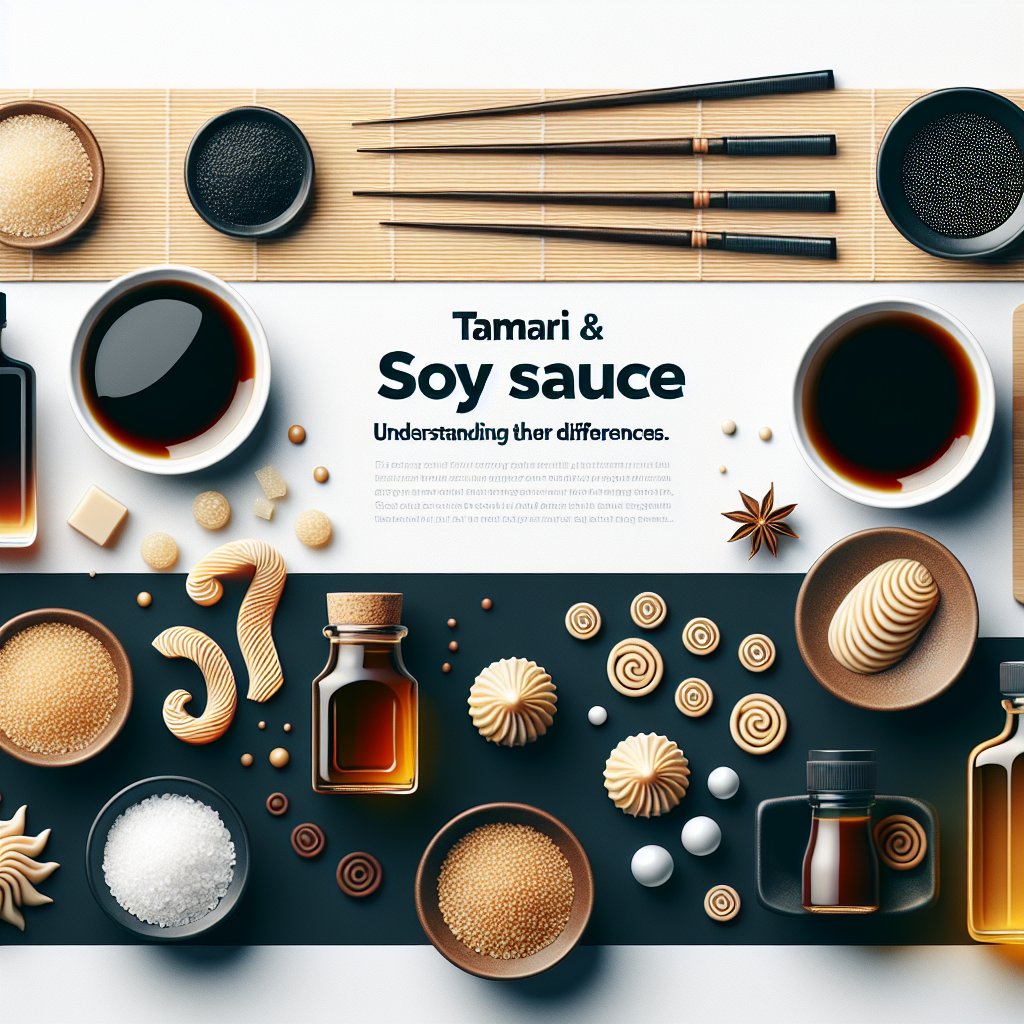
Have you ever wondered about the difference between tamari and soy sauce? These two savory, salty condiments are staples in many kitchens, but they are not the same. Laura Fisher, a health and sustainability expert with a love for food and the outdoors, elaborates on what makes these sauces unique.
Tamari, a Japanese-style sauce, is made from fermented soybeans and traditionally does not include wheat, which results in a richer umami flavor and slightly thicker consistency. This makes it perfect for gluten-free diets and for those who appreciate a smooth, balanced flavor.
In contrast, soy sauce, which originated in China, is crafted from soybeans, wheat, salt, and water. Its thin consistency and robust salty taste have made it immensely popular worldwide. Typically, soy sauce is used in various styles, such as light, dark, and low sodium.
Both tamari and soy sauce are derived from fermented soybeans and used to enhance food with their deep umami taste. However, soy sauce includes wheat, contributing to its slightly sweeter flavor, while tamari avoids wheat for a more natural essence.
Texture also sets these sauces apart. Tamari’s thicker consistency is ideal for dipping, whereas soy sauce’s thinner texture makes it perfect for mixing into soups and stir-fries.
Nutritionally, both sauces are high in sodium. For those mindful of sodium intake, low-sodium options are available. Tamari tends to be higher in protein and usually contains fewer additives, often making it a choice for health enthusiasts.
When selecting between the two, consider the dish. Tamari is excellent for cold dishes, dressings, and Japanese cuisine. On the other hand, soy sauce shines in hot dishes, stir-fries, and Chinese cooking.