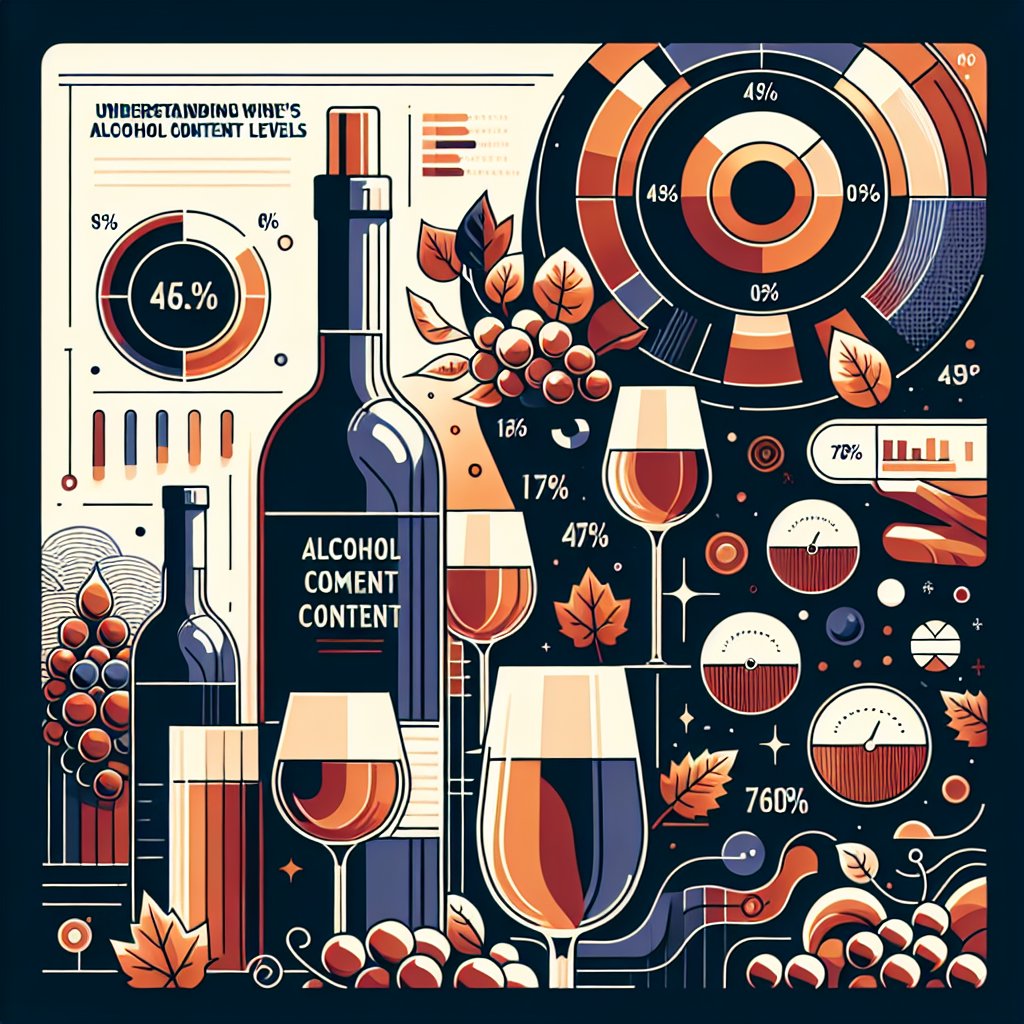
You might be surprised to learn that the alcohol content in your wine varies significantly by type and brand. According to Betty Gold, former senior digital food editor at Real Simple, knowing the alcohol percentage is crucial for evaluating a wine’s flavor profile and judging its longevity. Generally speaking, sparkling and rosé wines possess lower alcohol levels, white wines fall somewhere in the middle, and red wines are often at the higher end of the spectrum. Consulting a wine expert, we’ve compiled a guide to wines with varying alcohol content from low to very high.
The alcohol level in wine is closely linked to the sugar content in grapes at the time of harvest. More sugar translates into potentially higher alcohol as it is converted during fermentation. However, high-alcohol wines don’t necessarily taste sweeter because yeast consumes the sugar.
On average, a glass of wine includes about 11% to 13% alcohol by volume (ABV), though some bottles can range from 5.5% to 20%. When comparing with other alcoholic beverages, a standard beer has around 5% alcohol and spirits contain approximately 40% alcohol. For those aiming to reduce alcohol intake while still enjoying wine, picking a low-alcohol variety is a favorable option.
Sparkling wine like Champagne is famed for its bubbles and can come in hues of white, red, or rosé. Rosé wines uniquely achieve their pink color by having brief contact with red grape skins. On the other hand, white wines don’t ferment with skins, hence a clearer appearance, while red wines gain their rich color from fermenting with grape skins and seeds.
Significantly, winemakers have been urged to delay grape harvesting to achieve more mature flavors, which typically results in fuller-bodied wines with elevated alcohol content. Climate also plays a role in this, with warmer regions producing more potent wines.
The alcohol level impacts both the flavor and mouthfeel. Wines with lower ABV tend to taste sweeter as they retain more residual sugar, whereas those with a higher ABV are bolder and often emanate a warmer sensation in the throat due to their higher acidity and perceived bitterness. Therefore, those looking to evaluate wine choices might consider alcohol content as a critical factor.