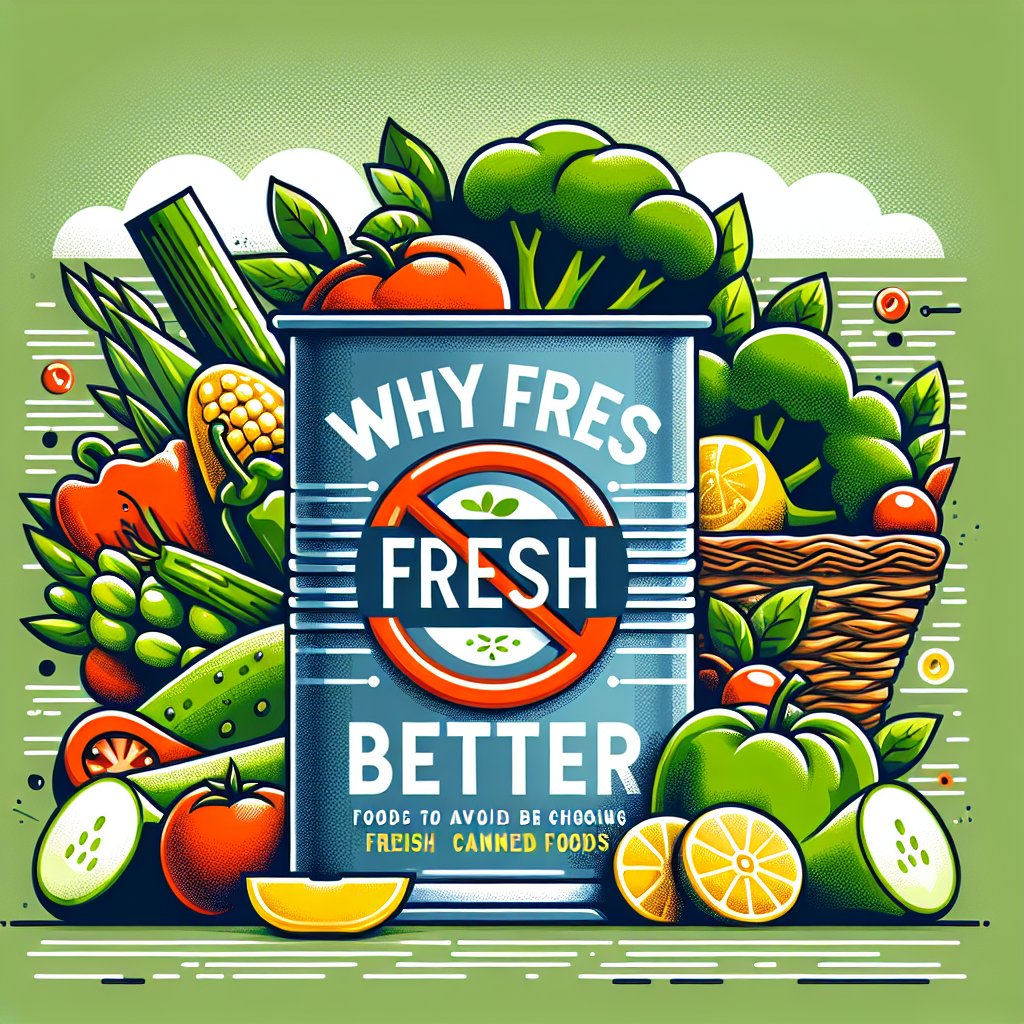
In an ideal world, food waste would not exist. While fresh food is delicious, it usually expires quickly, and we do not always consume it before it spoils. Here, canned goods offer convenience as they last for years, providing a cost-effective choice compared to fresh or frozen foods. However, canned foods often come with high sodium content and processed elements. The flavor and texture of fresh foods generally surpass canned ones. Here’s a look at some foods you might opt to purchase fresh rather than canned.
Canned chicken, though nutritious, usually contains high sodium due to the brine used in processing. Instead, fresh boneless, skinless chicken breasts are a healthier option that can be seasoned to taste.
While canned pasta varieties such as spaghetti and ravioli are convenient, fresh or even boiled boxed pasta promises a superior taste and texture, making the extra effort worthwhile.
Canned Vienna sausages, being processed meats, are affordable and tasty but could pose health risks due to additives. Choosing lean pork cuts offers more protein with better salt control.
For olives, those stored in jars maintain a firmer texture than their canned equivalent and are usually lower in sodium.
Fermented foods like sauerkraut retain more beneficial probiotics when jarred rather than canned. This processed method is gentler, preserving the beneficial live cultures.
Canned tuna offers a protein and nutrient-rich option but should be consumed in moderation due to mercury levels. Opt for skipjack tuna for reduced mercury intake.
Contrary to common belief, fresh fruits like berries and apples can be more cost-effective than canned versions, especially when seasonal and locally available.
Lastly, purchasing seasonal fresh vegetables such as mushrooms, carrots, and Brussels sprouts often proves cheaper and healthier than canned options, which also carry a slight botulism risk in low-acid varieties.