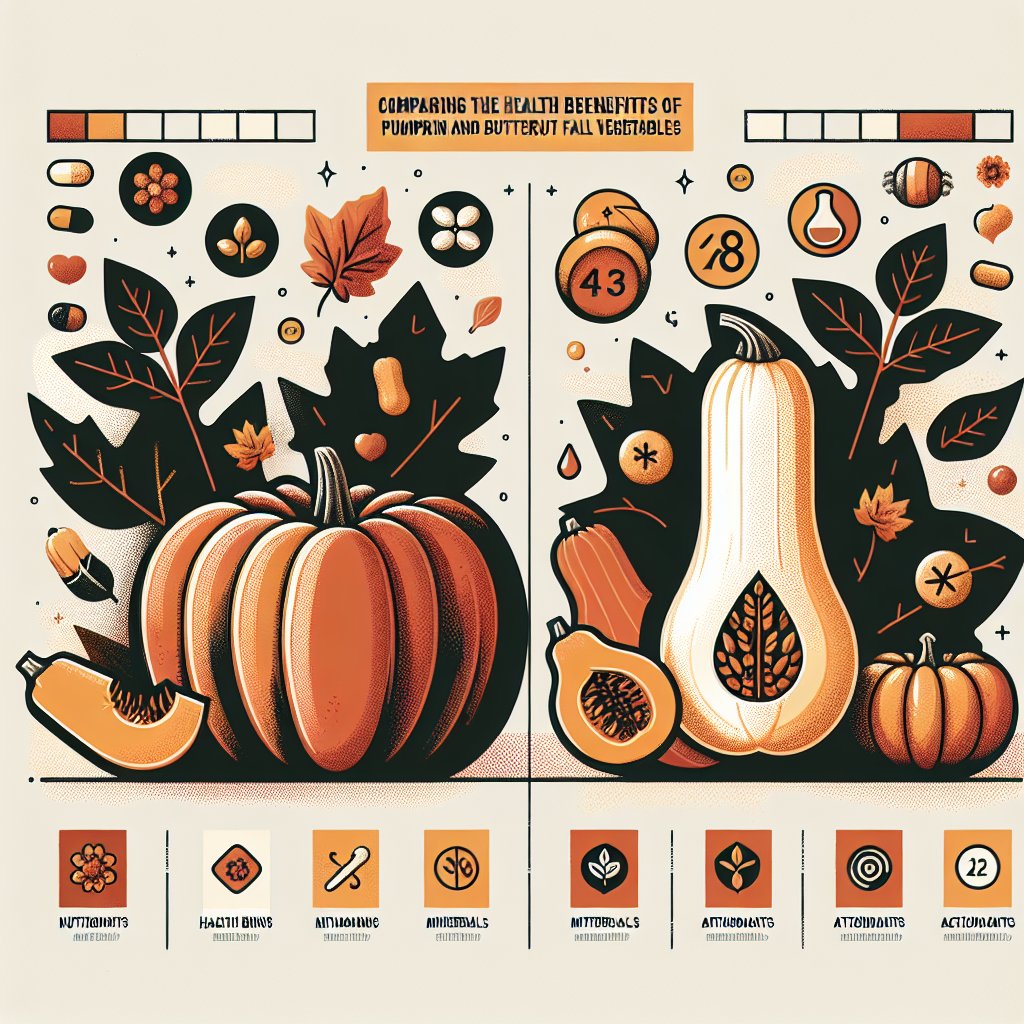
While pumpkins and butternut squash may appear similar on your fall table, their nutritional profiles are distinctly different. Both belong to the squash family, yet some nutrition experts believe one may offer more health benefits than the other. Though pumpkins are praised for their low calorie count, butternut squash boasts higher fiber content per serving. Both are packed with beneficial plant compounds that could enhance your health in several ways.
Deciding which gourd deserves a spot on your plate can be a challenge. To clarify, we consulted with registered dietitians about the health benefits each provides, noting strengths and how to make a choice based on individual health goals.
Pumpkin isn’t just for sweet treats. It’s rich in nutrients that support health, including complex carbohydrates that help manage blood sugar and vitamins that benefit the skin. Regular consumption during fall can promote healthy blood sugar levels. Advisor Megan Grover, MS, highlights that components within pumpkin, like polysaccharides, promote insulin release, aiding in blood glucose regulation. Moreover, substances like trigonelline and nicotinic acid in pumpkin have been researched for their impact on blood sugar.
Nutritionist Melanie Marcus shared that pumpkin extracts, compared to control groups, showed lower blood and liver markers for diabetes, indicating support for metabolic health.
Pumpkin also includes beta-carotene, a powerful antioxidant that converts into vitamin A (retinol). Stored in skin fat, it offers UV protection and maintains skin health by reducing inflammation.
Butternut squash, conversely, is rich in fiber and antioxidants, aiding immune, eye, and gut health. It contains more beta-carotene per serving than pumpkin, converting significantly into vitamin A, enhancing eye health and immune response. Additionally, butternut squash offers more fiber, supporting digestive health and prolonged satiety.
Both vegetables provide important potassium, vital for blood pressure regulation and muscle contraction. Diets high in potassium are linked to improved cardiovascular health. However, butternut squash emerges as slightly healthier due to its higher fiber and calorie content, promoting gut health and satiety.
For varied nutrient intake and health benefits, incorporating both squash types into meal rotations is advised. For maximizing beta-carotene, potassium, and fiber, butternut squash has an edge in dietary planning.