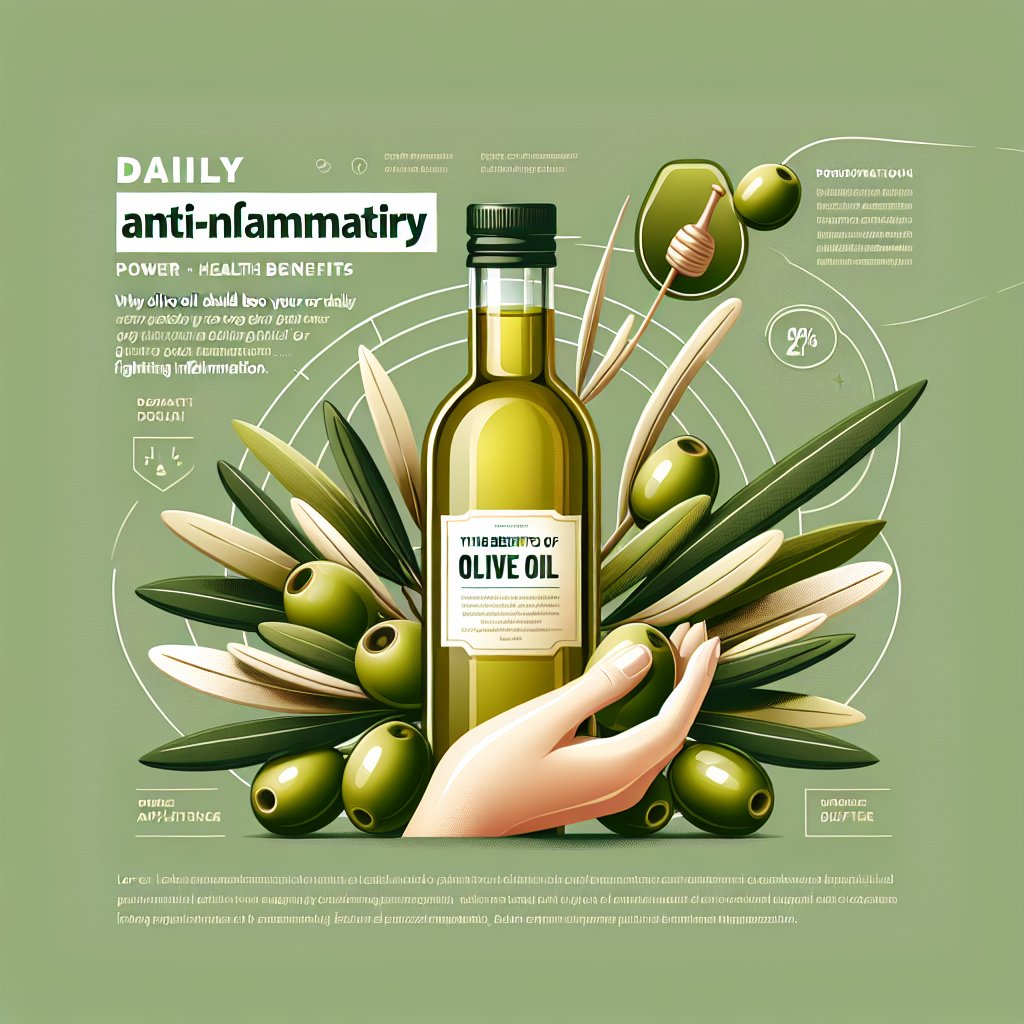
Combat inflammation effectively by incorporating this essential ingredient into your daily diet. Reducing chronic inflammation is crucial for maintaining overall health, and including anti-inflammatory foods in your diet is a key strategy. While numerous options are available, one food stands out—olive oil. Registered dietitian Yvette Hill, RDN, IBCLC, recommends it highly, along with practical suggestions for incorporating it into your meals.
Olive oil boasts significant anti-inflammatory properties, thanks to its rich content of alpha-linolenic acid (ALA), a plant-based omega-3 fatty acid. In the body, ALA converts to eicosapentaenoic acid (EPA) and docosahexaenoic acid (DHA), both recognized for their inflammation-fighting capabilities. Hill explains that EPA prevents compounds that initiate inflammation, while DHA reduces pro-inflammatory protein production.
Despite the low conversion rate of ALA to EPA and DHA, these acids are better absorbed from animal sources like fatty fish. Thus, use olive oil as an additional source rather than the primary one for omega-3s.
Olive oil is also abundant in antioxidants, which combat free radicals responsible for inflammation and oxidative stress. Polyphenols, such as oleocanthal, contribute to its anti-inflammatory effects by blocking enzymes that cause inflammation. Additionally, the vitamin E present in olive oil protects cells from oxidative damage.
Daily consumption of olive oil, even in small quantities, can be beneficial. Studies suggest advantageous effects from intakes ranging from half to three tablespoons a day. Utilize it for cooking, or drizzle it over finished dishes for enhanced flavor and health benefits. Consider pairing olive oil with bread, herbs, and spices for a nutritious dip or using it in marinades for meats and tofu.
Incorporate olive oil into your diet creatively to maximize its anti-inflammatory advantages.