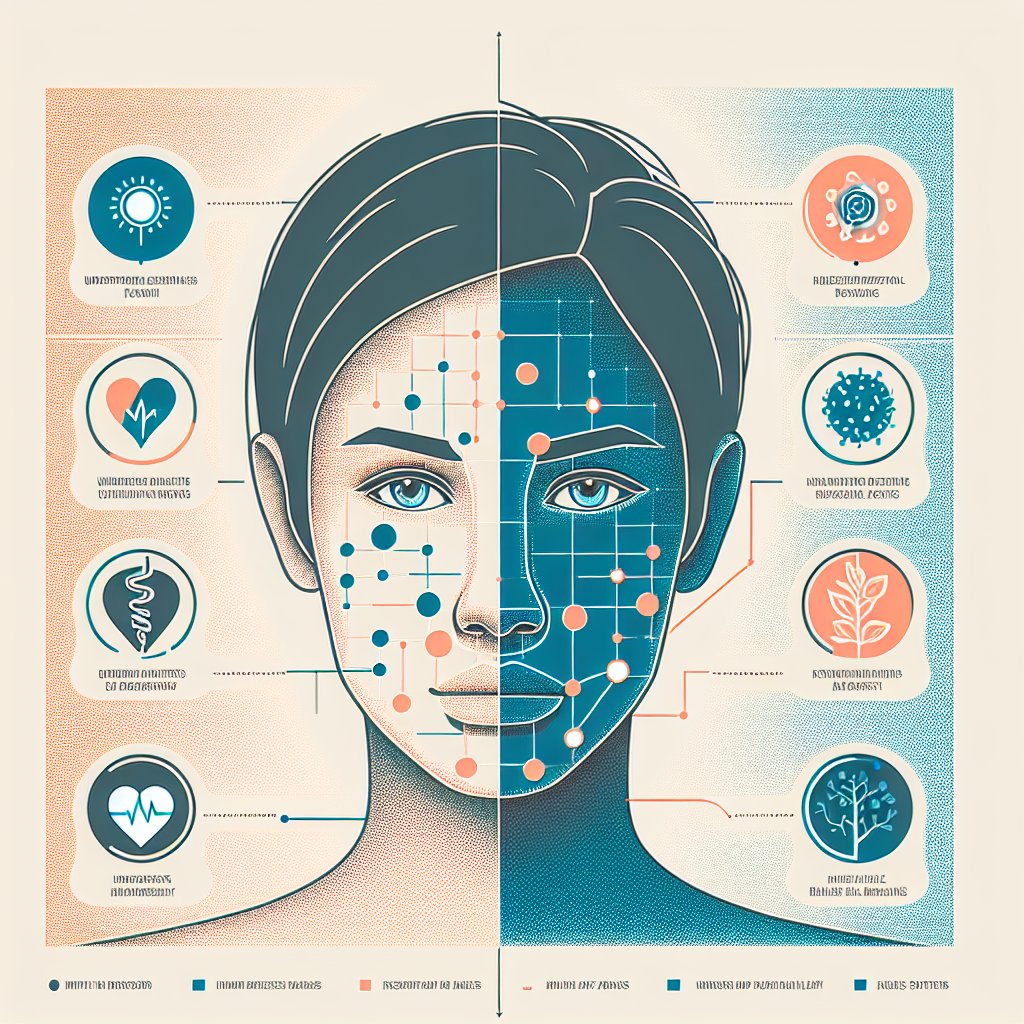
The occurrence of acne on specific parts of the face isn’t always coincidental and might point to underlying health or lifestyle issues. While topical treatments are popular, face mapping can provide further insights into the causes of breakouts by dividing the face into zones corresponding with specific health triggers. This practice, rooted in ancient Eastern medicine, has evolved to incorporate modern scientific insights, yet it should not be the only tool for diagnosing acne.
Dr. Claire Chang explains that acne face mapping divides the face into areas that may reflect internal health conditions. For example, forehead breakouts might signal digestive issues, while acne on the temples could be linked to kidney and bladder infections. Similarly, cheek acne might be a sign of respiratory problems, and chin acne is often associated with hormonal imbalances.
Although face mapping can hint at potential triggers, Dr. Chang advises considering the full range of factors affecting skin health, including genetics, hormones, and lifestyle choices. This holistic approach is important since skin issues can also be triggered by external factors like hair products, which might cause breakouts near the hairline, or environmental pollutants, affecting the cheeks.
For each facial zone, specific remedies are recommended. For forehead acne, maintaining clean hair and avoiding oil-based products can help, while reducing alcohol intake might aid temple breakouts. Improving air quality can alleviate cheek acne, and keeping a regular sleep schedule is advisable for managing hormonal chin acne. The nose, often oilier, benefits from thorough cleansing and treatments like retinoids to prevent breakouts.
Consistent care includes washing the face twice daily, staying hydrated, and following a balanced diet. Exfoliation, when done correctly, can assist in keeping the skin clear, while stress-management techniques like yoga or meditation can further help reduce acne.
For persistent or severe acne, consulting a dermatologist is recommended to tailor a treatment plan that might involve prescription medications. Understanding the potential links between facial acne and overall health can empower individuals to make informed decisions about their skin care routines.