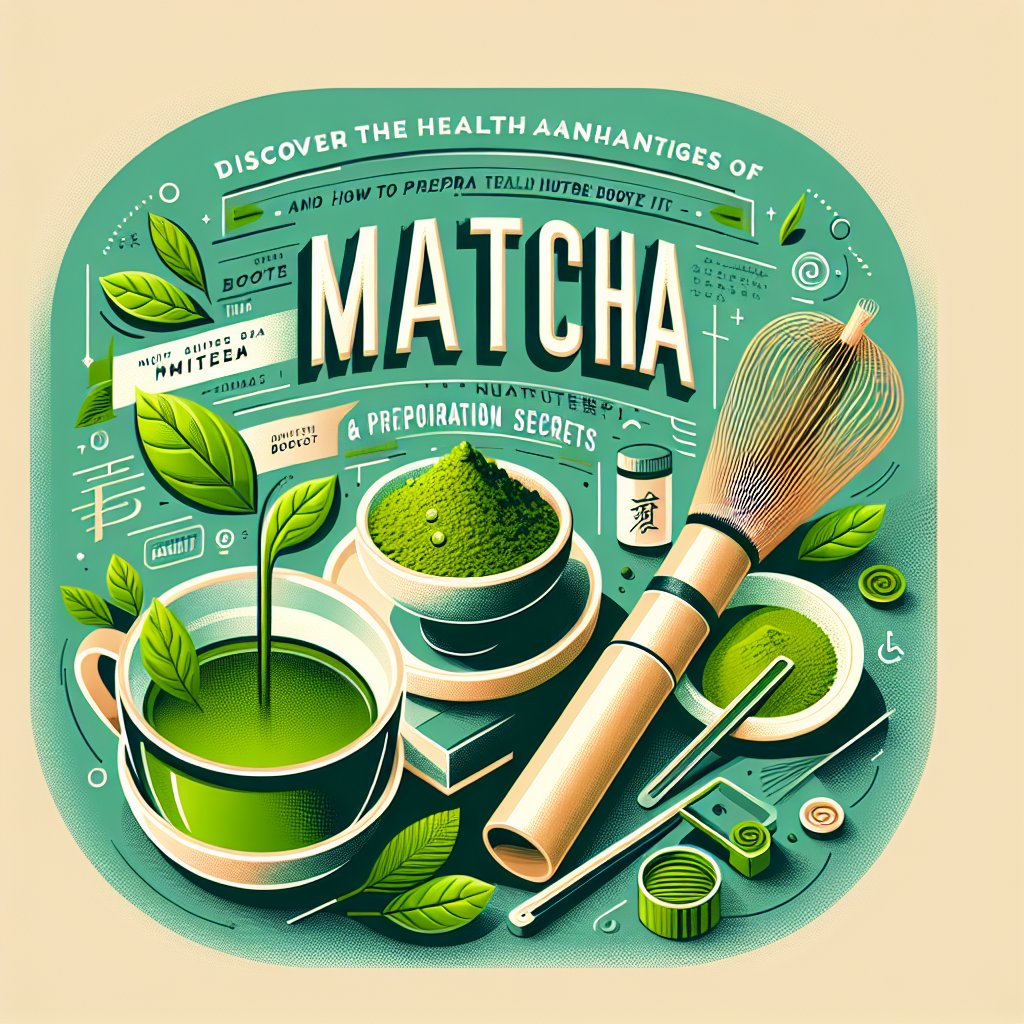
Matcha, known for its vibrant green color and derived from powdered green tea leaves, offers numerous health benefits compared to traditional steeped tea, since it involves consuming the actual leaves. Rich in catechins and antioxidants, matcha may boost immunity, support heart health, reduce cancer risks, and enhance brain function, asserts health expert Mayank Pandey.
Created by shading tea plants before harvesting to increase chlorophyll content, matcha leaves are steamed to prevent oxidation, then dried and stone-ground into a fine powder known as tencha. Packed with nutrients, matcha possesses a unique umami flavor profile and contains polyphenols like epigallocatechin gallate (EGCG), which may slow tumor growth and protect against Alzheimer’s.
Matcha’s combination of caffeine and L-theanine can enhance focus and concentration while promoting relaxation and stress reduction. Also, its antioxidant properties can guard against vascular diseases. Though it contains less caffeine than coffee, excessive matcha consumption could lead to insomnia or increased heart rate; thus, moderation is advised. High-quality matcha, typically pricier, can be purchased either as ceremonial or culinary grade based on your preferences.
For storage, matcha should be kept in airtight containers to preserve its flavors. While matcha offers a sophisticated taste experience akin to espresso, it’s best enjoyed mindfully in small quantities, whether alone or in culinary dishes. This versatile ingredient fits well into various recipes, providing both flavor and health benefits.