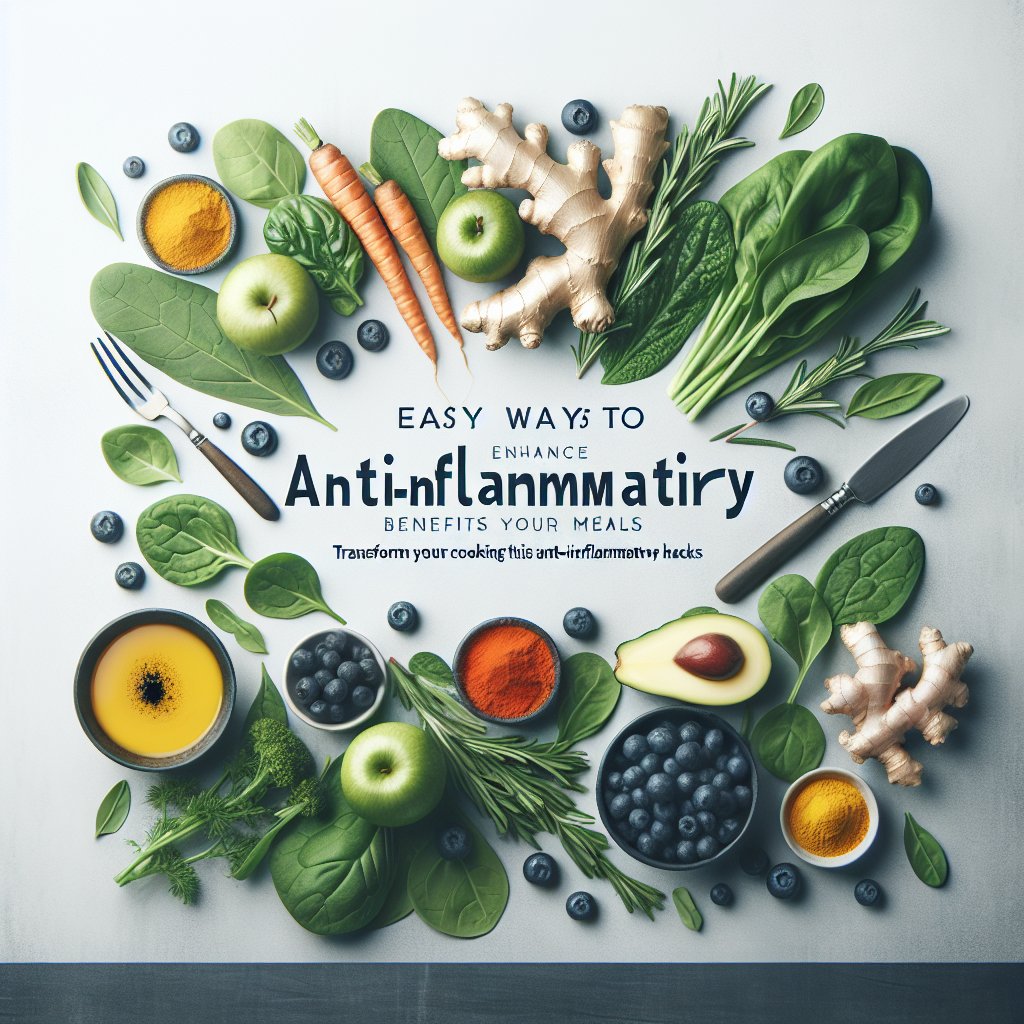
Cooking at home is often a healthier choice, providing opportunities to reduce inflammation with the right ingredients and techniques. Here are 11 expert-backed tips to make your meals more anti-inflammatory.
Community dietitian Julie Cobble suggests using spices and herbs to flavor dishes before adding salt. This simple change might reduce sodium intake, which is often high in processed foods.
Karen Hawkins, a registered dietitian, explains that high-heat cooking methods like grilling or frying can create inflammatory compounds. Instead, opt for less charring to minimize these effects.
Added sugars, present in many recipes, can be reduced by swapping them with whole fruits or 100% fruit juice, says Cobble. More nutritious sweeteners like honey or maple syrup are also beneficial.
Non-stick cookware may release chemicals that induce inflammation. Switching to stainless steel or cast iron pans can prevent this. Ceramic cookware is also safe.
It’s better to use healthy fats, such as olive oil or avocados, in place of saturated fats like lard or butter. This change can increase omega-3 intake, beneficial for reducing inflammation.
Gentle cooking methods—like baking, air-frying, or slow cooking—can help maintain the nutritional quality of foods. These methods also reduce the formation of inflammatory compounds.
Adding more fruits and vegetables to your meals can enhance their anti-inflammatory properties. Incorporate them into sauces, baked goods, or pastas for added benefits.
Simmering, poaching, or steaming your food preserves its antioxidants and nutrients, preventing undesirable charring.
Switch to stainless steel or wooden utensils to avoid leaching plastics into your meals. This can help reduce inflammation linked to microplastics.
Incorporate garlic, onion, and turmeric to boost flavor and reduce inflammation in your dishes. Cooking them in healthy fats activates their beneficial compounds.
Lastly, replace plastic storage containers with glass or stainless steel ones to limit chemical exposure.