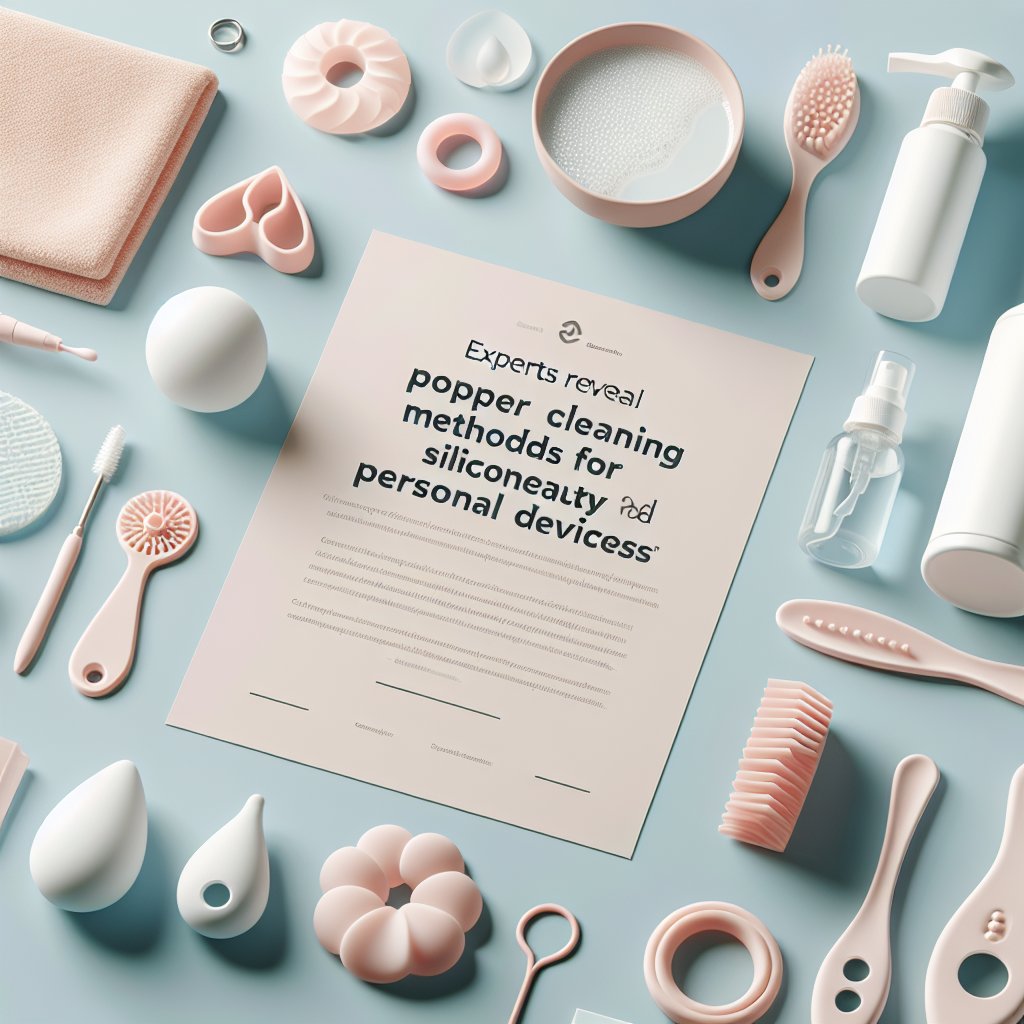
Though silicone-based tools are known for their antimicrobial properties, cleaning them is still essential. Whether it’s a facial cleansing brush or a personal device, silicone must be cleaned properly to maintain hygiene. Experts provide insights into the advantages of silicone products and how to care for them.
Silicone offers a hygienic alternative because it is non-porous and naturally antimicrobial, reducing bacterial growth compared to other materials. This makes it safer for both the skin and personal areas. Additionally, silicone is gentle and non-abrasive, unlike metal or plastic which can cause micro-lacerations.
Environmentally, silicone is more sustainable as it resists bacteria and doesn’t degrade over time like plastic. It’s also recyclable and non-toxic to the environment, converting to harmless substances upon disposal.
Silicone tools are beneficial for applying skincare products evenly. For instance, silicone brushes keep hands out of creams, ensuring an even application and reduced product usage.
Regular cleaning prevents bacterial buildup. Facial brushes should be cleaned every couple of weeks, while silicone personal devices require a wash after every use. Clean with soap and water; avoid alcohol-based products to prevent skin irritation and material damage.
Finally, ensure devices are fully dried before storing and choose appropriate cleaners to avoid degrading the silicone material. Certain silicone devices are fully waterproof, but check specifications to avoid damage from incorrect cleaning methods.