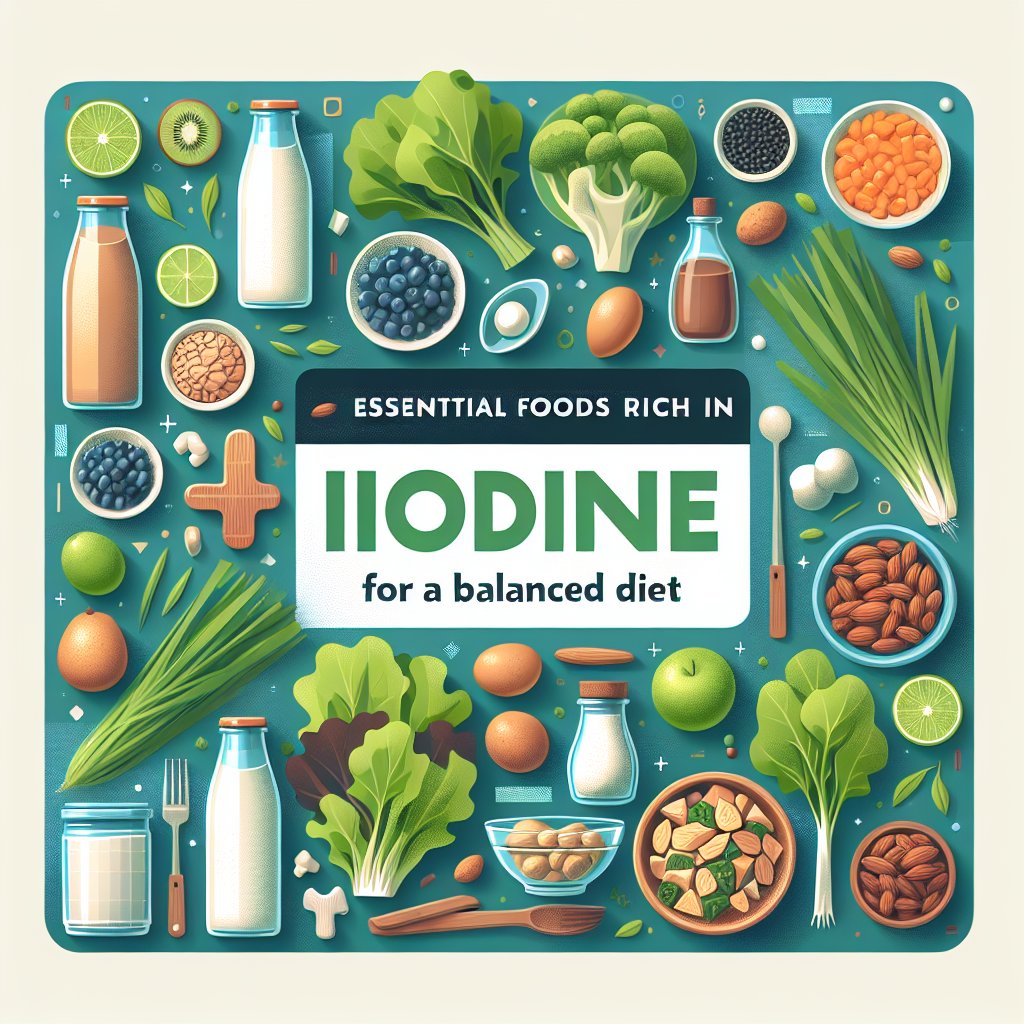
Iodine is often overlooked when planning a diet focused on antioxidants and vitamins, but this nutrient is crucial for health. The thyroid uses it to produce hormones regulating metabolism. It’s particularly important during pregnancy for the development of the baby’s brain and bones. The recommended daily intake is 150 micrograms for adults, 220 for pregnant women, and 290 for breastfeeding mothers, all of which must come from dietary sources.
Insufficient or excessive iodine intake can both cause health issues like goiter, hypothyroidism, and hyperthyroidism. The NIH suggests not exceeding 1,100 micrograms of iodine daily.
Iodized salt is an easy way to meet daily iodine needs, with 45 micrograms in 1/4 teaspoon. Sea salt and specialty salts usually lack iodine unless labeled iodized.
Seaweed is another high iodine source, with varieties like kombu containing up to 3,000 micrograms per sheet, though consumption should be moderated.
Seafood absorbs iodine from seawater, with options like cod (up to 99 micrograms per serving), shrimp, and oysters also rich in iodine.
Dairy products gain iodine from cow supplements or sanitation products, with milk and Greek yogurt providing significant amounts. Cheese and ice cream offer less.
For those preferring meat, beef liver is a good source with 14 micrograms per serving, along with other vital nutrients.
Eggs are an excellent start to your day, providing 31 micrograms of iodine and numerous other benefits.