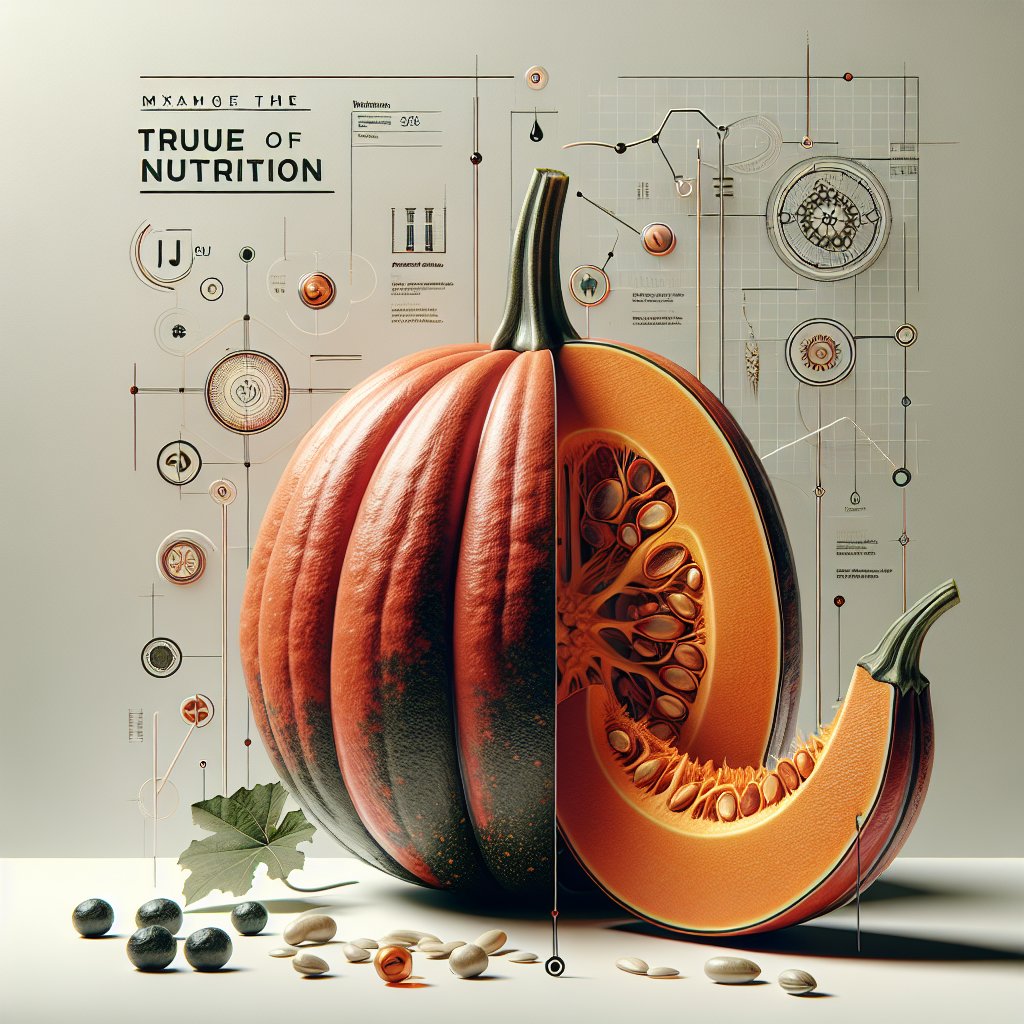
Pumpkins are often the centerpiece of fall-themed food and decor, but what exactly are they? Botanically, pumpkins are fruits, thanks to their seed-bearing nature, classifying them with berries and gourds. However, in culinary terms, they’re frequently used as vegetables due to their savory taste profile.
Pumpkins, along with squash and gourds, belong to the Cucurbitaceae family, encompassing over 900 species, including squash and watermelons. Despite common belief, the term ‘pumpkin’ holds no botanical weight and often refers to any round orange squash in the U.S.
Nutritionally, pumpkins are a powerhouse. A single cup of mashed pumpkin delivers a rich supply of essential nutrients: 78% of daily Vitamin A needs, 13% of Vitamin C, potassium, and magnesium. These components strengthen the immune system, maintain vision, regulate heart health, and contribute to overall well-being.
Pumpkins are also low in calories but high in dietary fiber, promoting prolonged satiety and benefiting gut and cardiovascular health. The vibrant orange hue of pumpkin is due to beta-carotene, an antioxidant that protects skin health and supports vision.
Furthermore, pumpkin seeds, usually consumed roasted, are a formidable source of dietary fiber and protein, enhancing muscle mass and strength. This edible fruit from the pumpkin vine is versatile, providing both gastronomic delight and health benefits, making it a cherished staple in various dishes.
Whether enjoyed as a pumpkin spice latte or a rich soup, its health benefits are undeniable, making it more than just a seasonal favorite. The pumpkin’s nutritional value, coupled with its unique taste, makes it both a delight to the palate and a boon to health.