With the holidays approaching, families are busy planning meals and buying turkeys. Interest in turkey’s notable nutrient, tryptophan, rises during this time, often cited as the reason for post-Thanksgiving drowsiness. Let’s delve into the truth behind this claim.
Tryptophan is an essential amino acid indispensable for protein synthesis. It’s one of the nine amino acids that must be consumed through diet as the body cannot produce them. Tryptophan is also crucial for the gut-brain connection, serving as a precursor to serotonin, which influences sleep, hunger, pain, and mood. Additionally, it’s involved in melatonin production, aiding in circadian rhythm control, and can be transformed by the liver into niacin (vitamin B3), important for energy and DNA creation.
Research shows that tryptophan-rich foods might enhance sleep by boosting serotonin and melatonin. However, the folklore that turkey dinners indiscriminately induce sleep is misleading. The body’s absorption of tryptophan is less efficient when other amino acids, like those found in turkey, are present. Therefore, fatigue after a large meal is more likely due to increased blood flow to the gut rather than tryptophan.
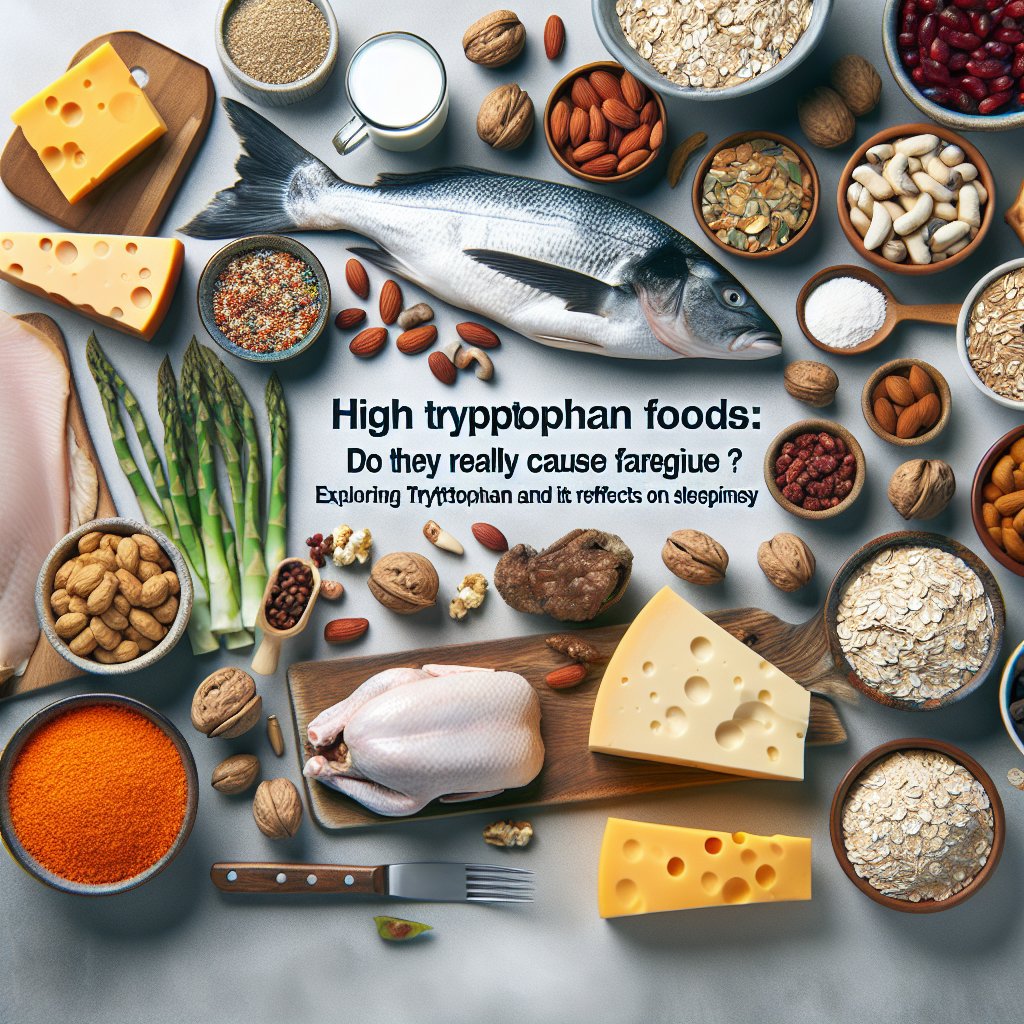
Daily tryptophan consumption should range from 250 mg to 425 mg. Turkey contains up to 410 mg per pound, closely followed by chicken. Roasted lamb is notably rich in tryptophan, providing 706 mg in a 6-ounce portion. Similarly, 6 ounces of skirt steak supply 636 mg, and pork chops offer 314 mg in three ounces.
Plant-based sources abound as well. A cup of cooked oats delivers about 97 mg to 147 mg. Dairy products, like milk and cheese, are also good sources, with whole milk containing 183 mg per cup. A variety of nuts and seeds, such as pumpkin seeds and peanut butter, provide significant amounts of tryptophan. Soy products, like tofu and edamame, are especially high in tryptophan.
Fish such as salmon and tuna are not just rich in omega-3s, but also in tryptophan, providing 252 mg in 3 ounces. Eggs offer 77 mg each. Various food choices are rich in tryptophan, suitable for different dietary preferences. Beyond promoting restful sleep, tryptophan supports neurological health, serotonin levels, and the production of niacin.