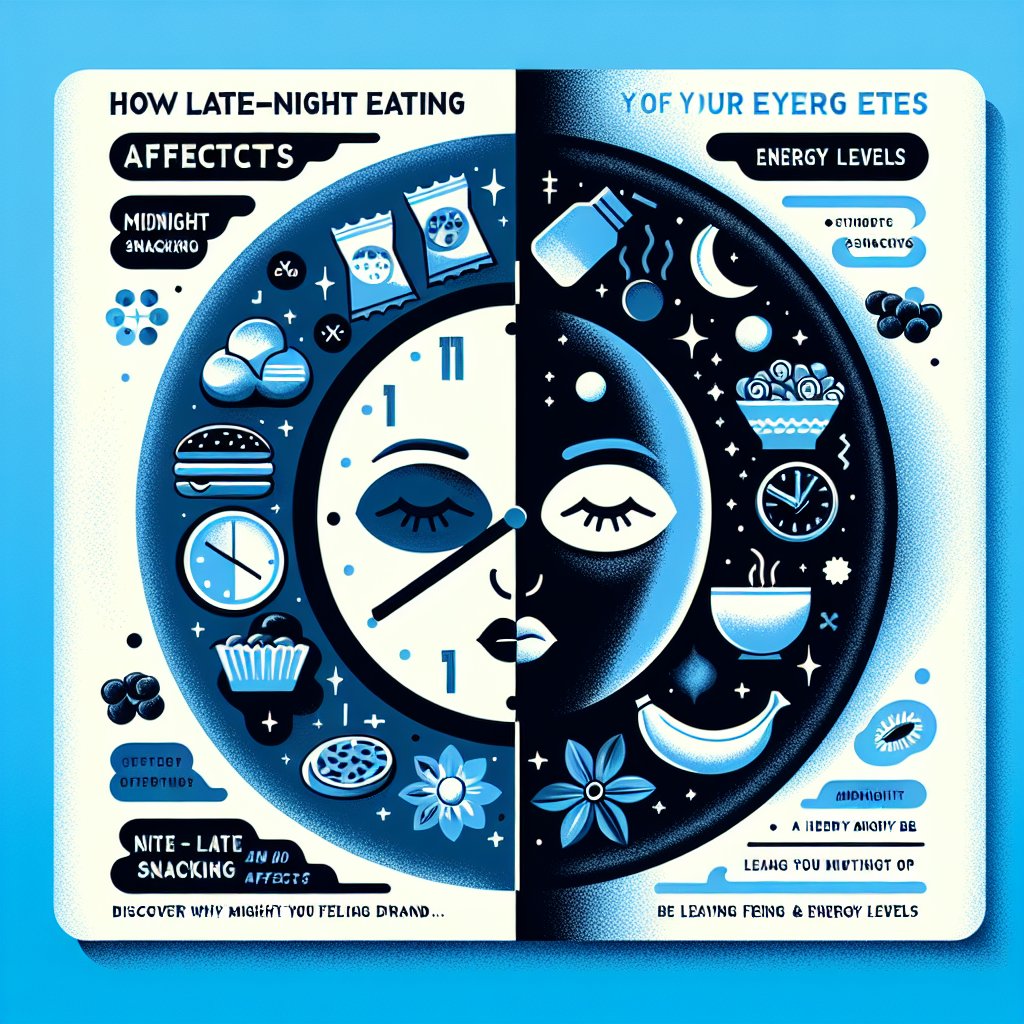
If you often feel the need for a nap during the day, it might be worth examining your habits. Certain actions can deplete your energy, with some being obvious, like consuming caffeine late. However, a common yet subtle energy drain is eating late at night.
Nutritionist Samantha Peterson, MS, RD, explains that snacking before bedtime can throw off your internal clock, which aids in preparing your body for rest. Normally, melatonin levels rise, metabolism slows, and the body begins its repair mode at night. Eating interrupts this by elevating insulin levels, which in turn suppresses melatonin, the hormone signaling your brain it’s time to sleep. This can also keep cortisol, the stress hormone, elevated, disrupting deep sleep and causing grogginess the following day.
According to Peterson, “Your nighttime metabolism influences your morning energy.” Hence, occasional pre-bedtime snacking is acceptable if truly hungry, as stability in routine supports the circadian rhythm. It’s beneficial to have your last meal around two to three hours before sleep, advises Rebecca Goodrich, RD, a health educator.
Goodrich notes that meal size and food type can affect sleep differently depending on the individual. She suggests avoiding large meals and foods high in refined sugars like sweets, pastries, or heavy dishes that digest slowly, such as fried foods or fast food.
If snacking is necessary, choose options around 200 calories, such as a cup of tart cherries, a handful of nuts, a small kiwi, or half a banana with smooth nut butter.
Ultimately, perfection isn’t the goal, but reducing metabolic disturbances to enhance the quality of sleep is key, says Peterson.