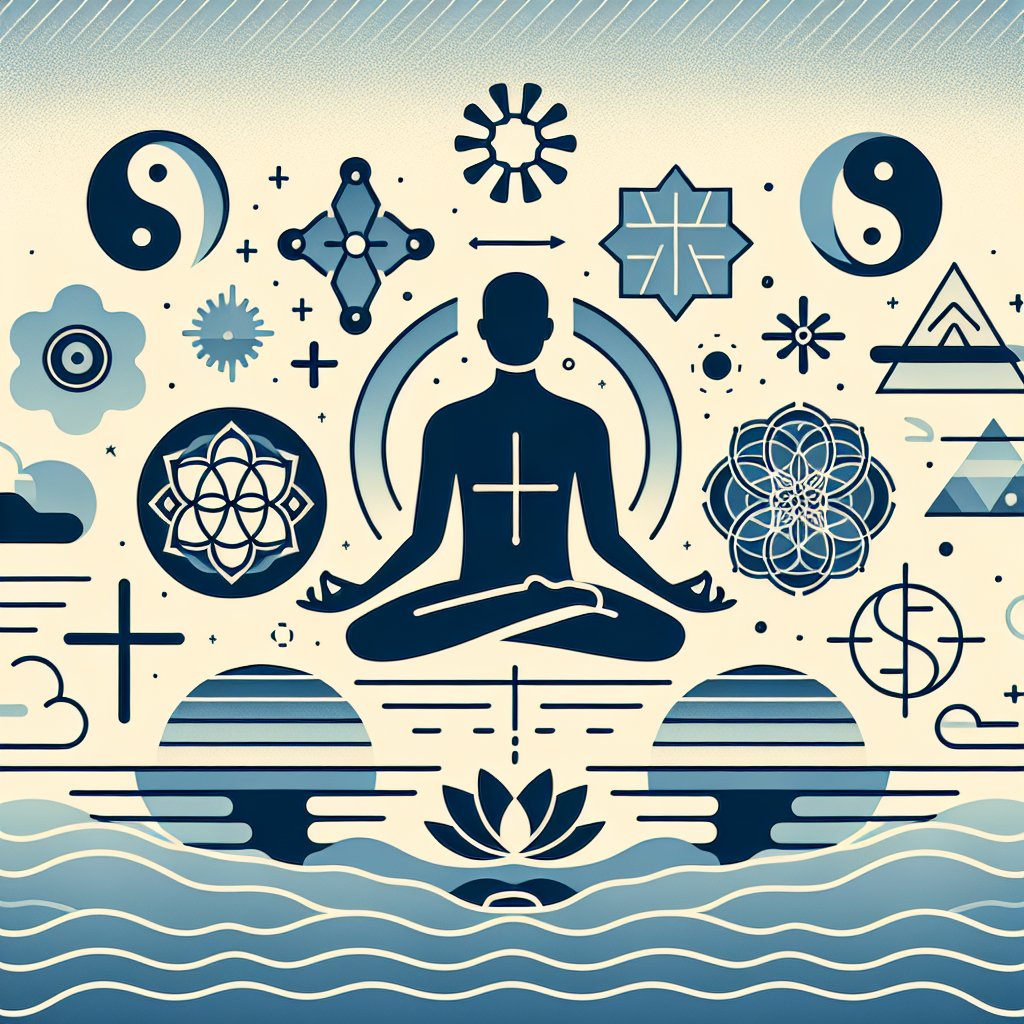
Mindfulness doesn’t require finding your third eye or mastering Sanskrit; it simply demands focused attention. Initially dismissed as wacky, my first brush with mindfulness was at school, with a monk, amid worries about grades and life. Others felt relaxed post-meditation, but I was stressed. Many years later, encouraged by my therapist, mindfulness still seemed elusive until a freezing day in New York.
Misunderstanding meditation versus mindfulness was a hurdle. Mindfulness observes thoughts without judgment, akin to appreciating pointillism artwork. Not trying to silence the mind helped me embrace personalized mindfulness methods over traditional meditation.
Seeking further understanding, I explored forest bathing in New York with expert Nina Smiley. Instead of viewing cold negatively, I observed it neutrally, which surprisingly decreased my anxiety. This translated to ‘mindful eating,’ where fully experiencing meals calmed my mind, akin to forest bathing.
Mindfulness changed my perspective on anxiety, allowing peaceful moments. Neuroscientists suggest mindfulness alters brain structures like the amygdala and hippocampus, thus reducing stress. These practices can lower physical stress responses, benefiting overall health. However, more research is needed to fully comprehend its impacts. Mindfulness offers a flexible personal approach, countering misconceptions of being a rigid, time-consuming endeavor.
While skeptics might not have immediate revelations, personalized and varied mindfulness techniques can still contribute positively to one’s mental health, as shown by my own experiences. This includes brief practices, even during challenging times like a family hospice.
Ultimately, mindfulness isn’t a universal remedy but remains a valuable tool—grounded in history and growing research. To skeptics, exploring this flexible practice could provide surprising benefits.