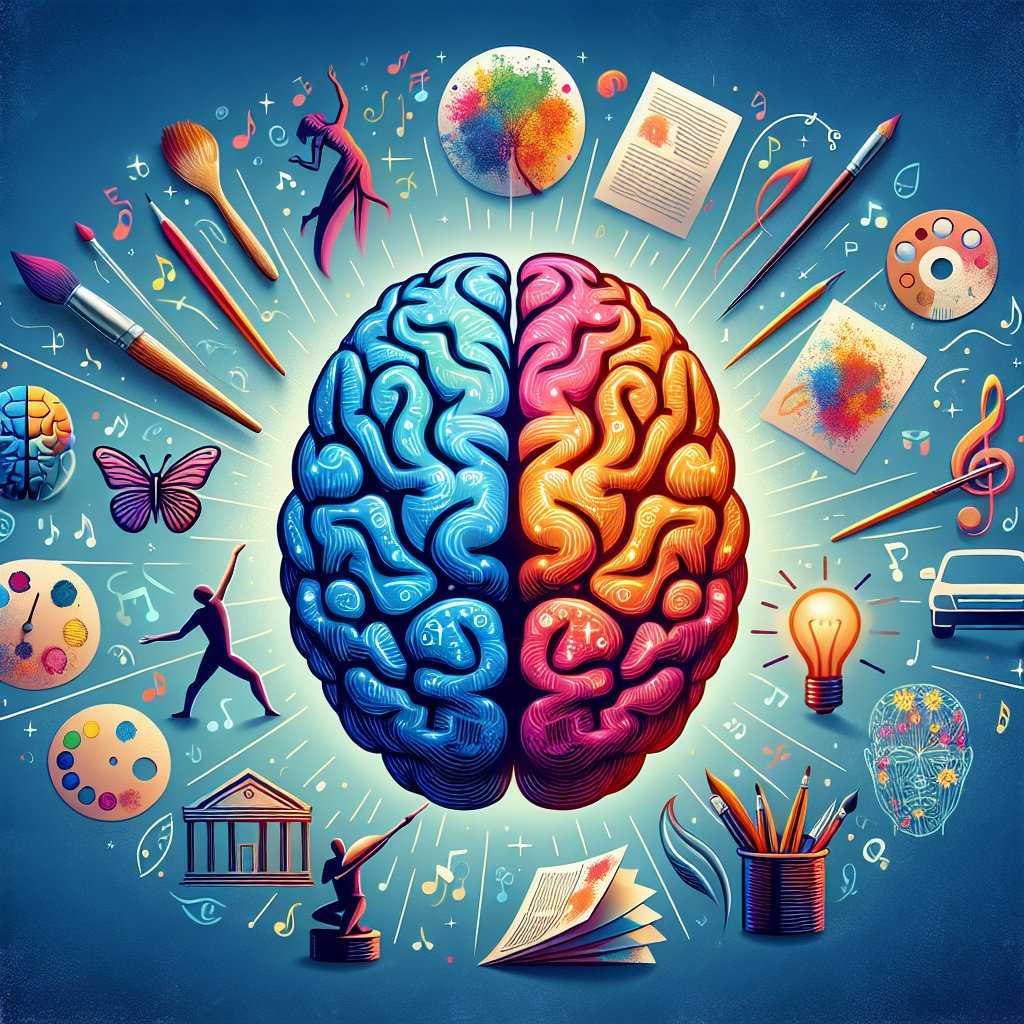
Engaging in creative hobbies not only brings joy but is also essential for maintaining a youthful and sharp brain, as a recent study published in Nature Communications reveals. While traditional methods like eating antioxidant-rich foods and solving puzzles are known for brain health, creativity offers an exciting alternative. The study suggests that creative activities can make the brain function younger, offering a significant boost to long-term brain health.
Ramses Alcaide, neuroscientist and CEO co-founder of Neurable, highlights the study’s validation of creativity as a vital intervention for brain health. The concept of “brain age” was explored, revealing that it does not always align with one’s biological age; instead, effective communication between brain regions plays a crucial role.
The study employed EEG and machine learning to assess brain function in over 1,200 participants, discovering that individuals in creative professions, like dancing, music, and art, had brains significantly younger than their chronological ages. Creative activities enhance neuroplasticity, allowing the brain to rewire itself and optimize communication pathways, providing benefits regardless of one’s specific talent or skill.
Significantly, these benefits were not exclusive to naturally gifted individuals. In experiments, participants engaging in complex strategy video games observed a decrease in brain age, emphasizing the brain’s adaptability to creative challenges.
The research encourages making time for creativity as a scientifically supported approach to boost brain health. So, whether it’s learning a new instrument, painting, or dancing, these pursuits do more than just add color to life—they help maintain brain sharpness and vitality.