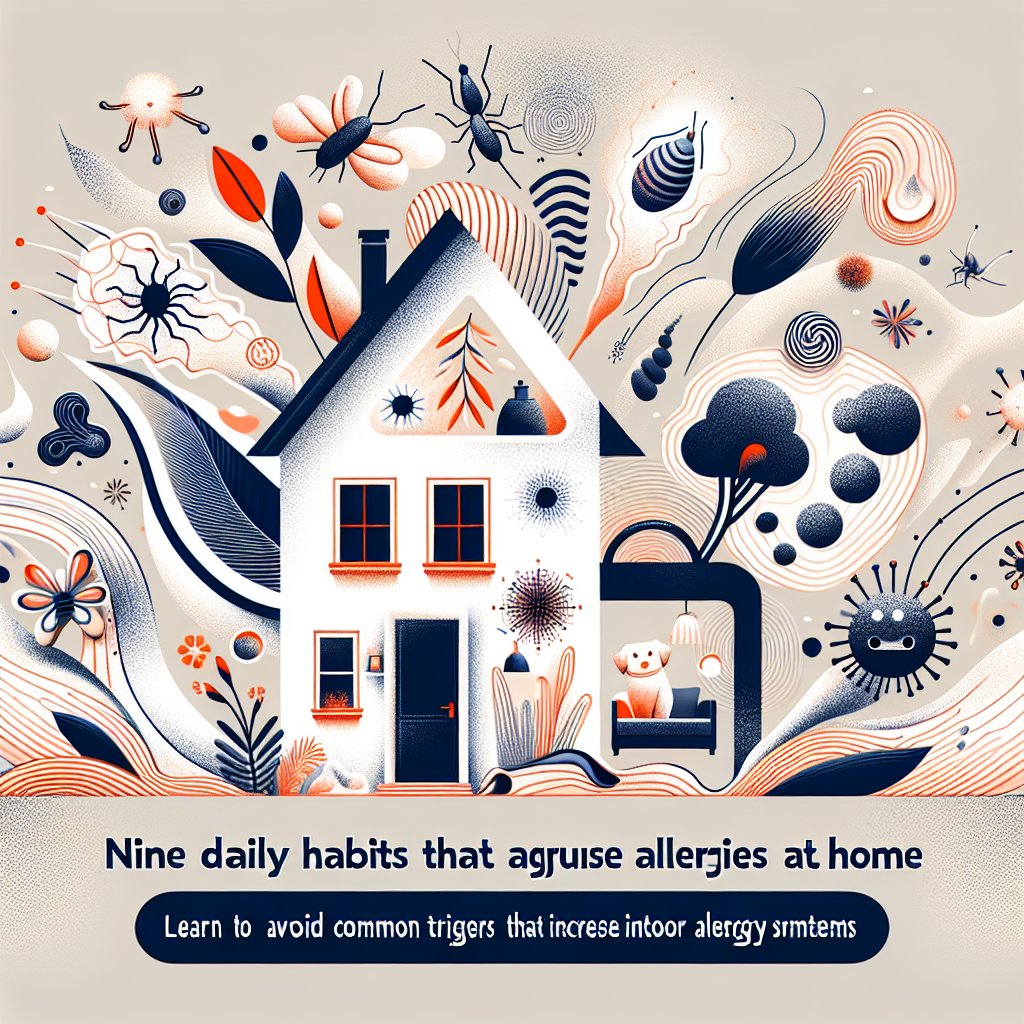
If you’re battling with allergies, reconsidering some common household habits might help you manage your symptoms better. It’s that time of the year when allergies can feel overwhelming, but understanding and managing triggers can provide relief.
Firstly, while opening windows can freshen up a room, allergist-immunologist Dr. Jason Bellak advises keeping them closed during allergy season to prevent outdoor allergens like pollen from entering your home. Instead, use air conditioning or fans to circulate air without inviting pollen inside.
To further purify your indoor atmosphere, Dr. Bellak suggests using High-Efficiency Particulate Air (HEPA) filters in air purifiers. Ensure the filters are regularly changed every three months to maintain efficiency.
Another useful tip is to change into clean clothes as soon as you get home. Outdoor clothing can carry pollen and other allergens, so it’s best to launder those items immediately.
A nightly shower can also reduce your exposure to allergens by washing away particles that cling to your skin and hair. Doing so can also improve the quality of your sleep.
In terms of home furnishings, plush items such as pillows and rugs can harbor dust mites, a common allergen. Minimizing these items or ensuring frequent cleaning can help mitigate this problem.
Regular vacuuming, especially if you have pets, can prevent allergens from lingering in your home environment. Dr. Bellak advises vacuuming once a week or more frequently if necessary.
Pets can also be allergen carriers. Consider keeping them out of bedrooms to minimize allergy-triggering conditions, and schedule regular grooming appointments to lessen the allergens they may carry.
If you’re unsure about your specific allergies, visiting a board-certified allergist can provide clarity and more personalized management strategies. Additionally, local pollen level information can help you prepare for high-risk days.
When it comes to medication, if the usual options like antihistamines do not work, there are alternatives such as nasal sprays or allergen immunotherapy. This personalized approach can significantly enhance your comfort during allergy season.
Adapting these practices can help manage and even reduce allergy symptoms, creating a more comfortable living environment.