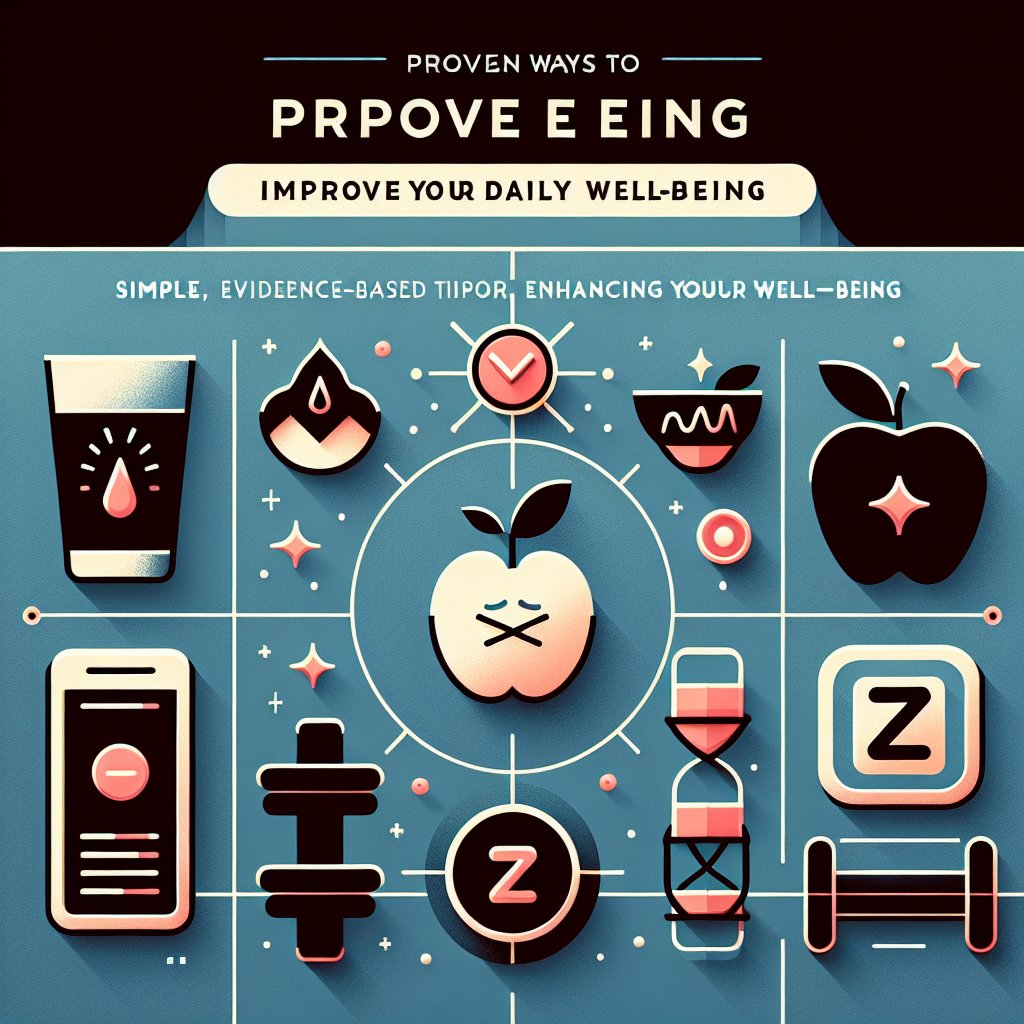
Every day brings an opportunity to make healthier choices. It’s not about overnight changes but about making consistent, small decisions towards better health. Simple actions like incorporating fruits and vegetables into daily meals, engaging in regular physical activity, and choosing herbal teas over alcohol can contribute significantly to well-being. Here are some evidence-based strategies to enhance your mental and physical wellness effectively.
Smiling can be a powerful tool against stress. A study published in Psychological Science in 2012 demonstrated that students who smiled during stress-inducing activities experienced faster heart rate recovery than those who maintained neutral expressions. A genuine “Duchenne smile,” involving both the mouth and eyes, has proven even more beneficial in reducing stress.
Taking breaks, particularly during work, can boost mood and productivity. A survey by Tork reported that employees who take lunch breaks away from their desks experience higher job satisfaction and are more likely to stay longer at their company. It’s essential to step away from your work environment, even if just for a short while, and refuel with a balanced diet rich in vegetables, lean proteins, and whole grains.
Long commutes may negatively impact well-being, but this can be mitigated by using the travel time wisely, as suggested by Andrew Weil, MD. Consider using this time for personal relaxation or listening to uplifting content to counteract stress and anxiety, all while trying to minimize caffeine intake.
Physical activity is essential, even in small doses. Research in the American Journal of Health Promotion shows that brief, everyday movements accumulate to significant health benefits, lessening risks such as high blood pressure and cholesterol much like longer sessions.
Dark chocolate may aid in mental acuity. A study in England found that participants who consumed cocoa flavanols showed improved cognitive performance. These flavanols appear to enhance blood flow to the brain, offering added bonus benefits by reducing stress levels with regular consumption.
Positive framing can foster emotional resilience. “If…then…” statements, as researched at the University of Winnipeg, help manage stress by promoting proactive thinking and planning in challenging situations.
Social media can negatively impact self-esteem by unrealistically portraying others’ lives. Dilney Goncalves, PhD, recommends recognizing the skewed nature of online content to prevent unnecessary comparisons.
Berries, particularly strawberries and blueberries, not only promote heart health but can also naturally whiten teeth due to their malic acid content. Incorporating these fruits into a diet may lower the risk of heart disease among women, as shown in Circulation.
Spending time outdoors, like engaging in forest walks, can significantly enhance cognitive function and boost immune response, showcasing the healing powers of nature.
Relaxing in a magnesium-rich Epsom salt bath can alleviate muscle tension and enhance sleep, according to Mark Hyman, MD. Adding lavender oil to baths can amplify this calming effect.
Reduce screen time before bed to improve sleep quality. The light from electronic devices can suppress melatonin. Instead, unwind through non-screen activities such as reading or meditating.
Diet plays a crucial role in managing migraines. Keri Gans, RD, highlights that avoiding certain fruits rich in tyramine and tannins can reduce migraines. Opting for non-citrus fruits can mitigate headache risks.