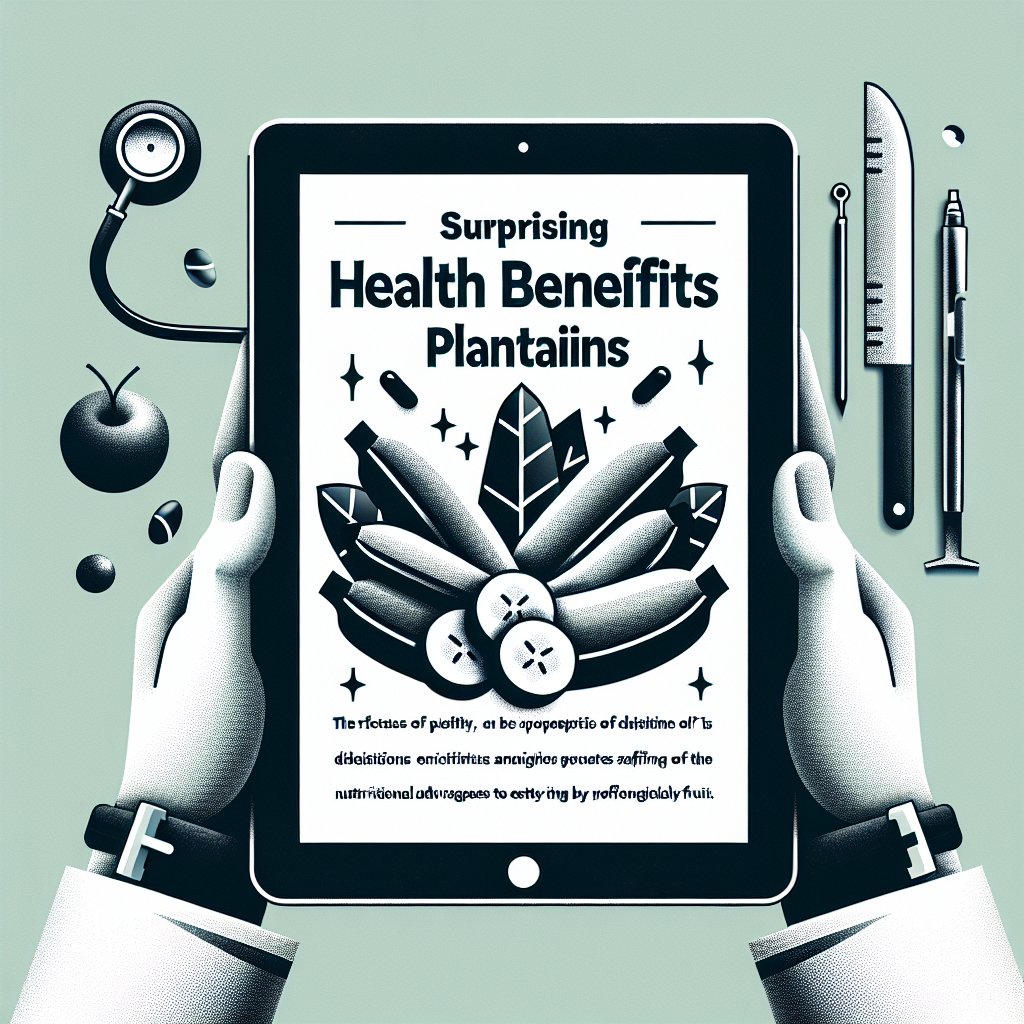
While bananas might be the most popular fruit in the United States, plantains, a close relative, hold numerous health benefits as well. Unlike bananas, plantains are typically enjoyed cooked and tend to be sweeter when cooked, especially as they ripen.
Dietitians recommend incorporating plantains into your diet due to their rich nutrient content that supports gut health, energy levels, and overall well-being. According to the USDA, a cup of baked yellow plantains is filled with essential nutrients like potassium, a mineral many Americans are deficient in. Potassium is vital for heart function, blood pressure regulation, and muscle contraction.
In addition to potassium, plantains provide dietary fiber, which is crucial for digestion and heart health. The fruit serves as a prebiotic, feeding beneficial gut bacteria and enhancing nutrient absorption and immune function.
Plantains are also part of an alkaline diet, beneficial for individuals with certain health conditions like kidney disease. Since they are naturally low-acid fruits, they help maintain a healthy body balance.
Despite common misconceptions, carbohydrates in fruits, including plantains, are an important energy source. Both simple and complex carbohydrates from plantains contribute to stable energy levels, making them ideal for active lifestyles.
Furthermore, plantains are abundant in B vitamins, supporting heart, immune, and brain health. This makes them a great dietary choice for vegans or vegetarians, who might have fewer animal-derived nutrients.
Generally, plantains are safe to consume regularly, and they are a staple in many countries, particularly in Africa, Central America, and the Caribbean. They can be prepared in several delicious ways, such as frying or baking, with baking being a healthier option to enjoy their natural sweetness without added fats.