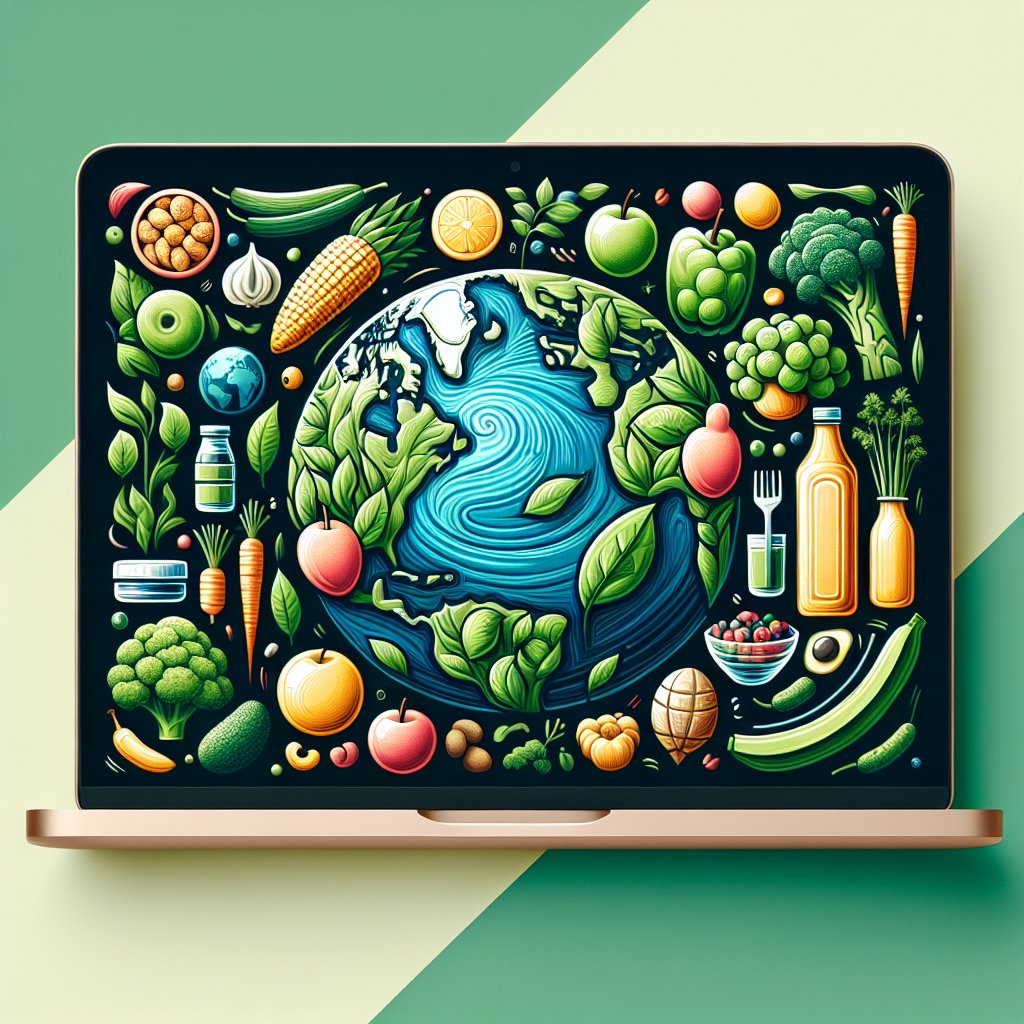
Despite Earth Month coming to an end, I, a dietitian focused on sustainability, continue to live each day as if it’s Earth Day. Viewing my food choices through this lens allows me to nourish myself while caring for the environment. The food industry accounts for about one-third of global greenhouse gas emissions, also concerning are water usage, unfair labor, deforestation, and pollution. Thus, sustainable nutrition is crucial for health and the planet, supporting ethical labor, food traditions, and affordability. Participating in this global movement can start with intentional grocery shopping.
Let me share my go-to list of foods for personal and planetary health. Sweet potatoes are nutrient-rich, covering over 100% of daily vitamin A needs and offering fiber, potassium, and vitamins, with minimal environmental impact due to low water and land needs. Going organic minimizes agrochemical use.
Plant-based proteins, like tofu, help significantly in reducing environmental impact. The livestock industry links to 14.5% of global GHGs. Tofu is versatile and nutritious, providing unsaturated fats and essential minerals. It’s also affordable. Similarly, citrus fruits like oranges offer health benefits through vitamin C and fiber and require low water to grow. Black beans, a plant-protein favorite, are nutrient-packed and help nitrogen-fixation in soil, making them eco-friendly.
Mushrooms stand out for their nutrient content and role in recycling essential elements for plant growth. Seaweed snacks, rich in omega-3s and iodine, offer a near-zero environmental footprint with no land or freshwater required for production.
Finally, honey, especially local, satisfies sweet cravings and promotes gut health with prebiotics. Honey production supports pollinators, crucial for global food crop pollination. Buying local honey benefits regional ecosystems.