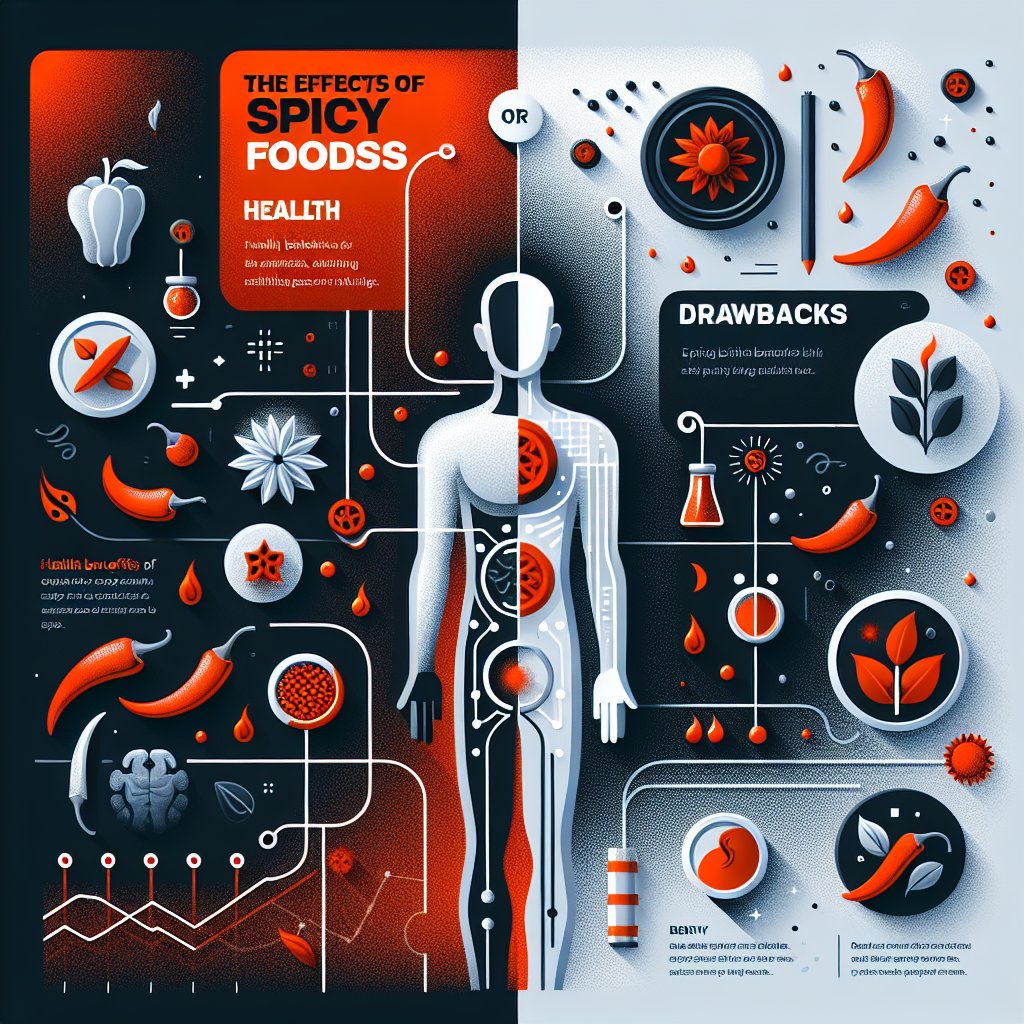
Spicy foods, loved by some and avoided by others, offer both delightful heat and potential health benefits. Amanda Sauceda, a registered dietitian, suggests that introducing spicy elements like chili peppers can enhance meals for those cutting down on salt. The heat from spices comes from capsaicin, a component that activates pain receptors in the mouth and digestive tract, leading the brain to initiate cooling processes like sweating and increased blood circulation. While some people may experience tears, runny noses, or saliva production as a response, these reactions help flush out potential irritants.
Capsaicin offers more than just a fiery sensation—it acts as an antioxidant, helping neutralize free radicals, compounds that, in excess, can damage cells and contribute to chronic diseases. Chili peppers are excellent sources of vitamin C, further boosting their antioxidant capacity. However, the effect of capsaicin on cholesterol, blood pressure, and gut health remains under scientific scrutiny, with some animal studies suggesting potential benefits in altering gut bacteria.
For individuals prone to heartburn or acid reflux, spicy foods may irritate the esophagus and cause stomach contents to move backward, worsening symptoms. Capsaicin can also accelerate digestion, leading to loose stools if consumed excessively. Though spicy foods don’t cause stomach ulcers, they can aggravate existing ones by irritating the gut lining. Overall, the health implications of spicy foods are manifold, with both advantageous and adverse effects depending on individual tolerance and health conditions.