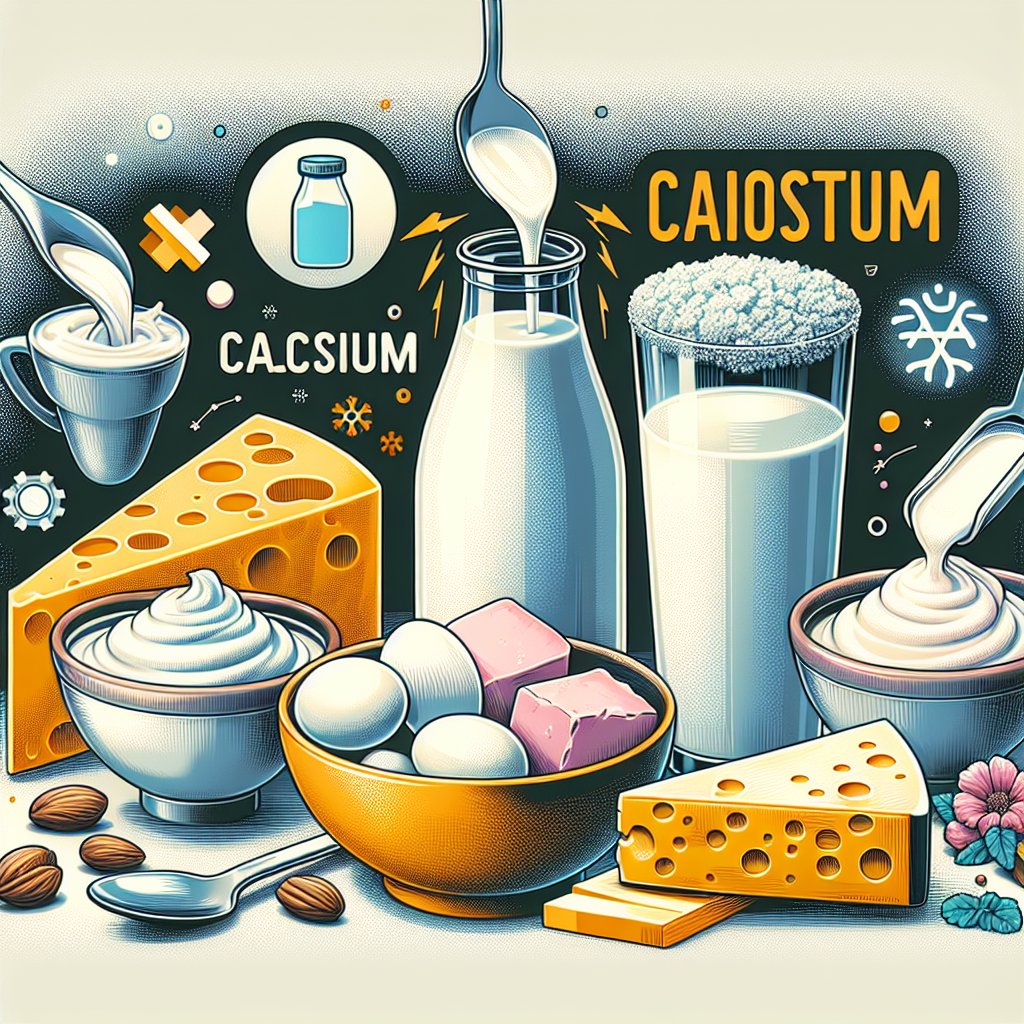
If you’ve ever been told to drink milk for healthier bones, know that the advice holds truth. Dairy products are rich in calcium, a vital mineral for maintaining bone density and preventing injuries. However, calcium doesn’t easily absorb into the body alone. “Calcium relies on vitamin D to transport it from the digestive tract into the bloodstream,” says JaLorean Hayes, MPH, BSN, RN, IFNCP, founder of Meal Maps.
Many dairy products are fortified with vitamin D to improve calcium absorption. If you spot a label indicating “fortified with vitamin D,” it helps your body maximize calcium use. Without a vitamin D supplement, consider pairing calcium-rich foods with those high in vitamin D, like eggs or salmon, for optimal absorption.
### Top Dairy Sources of Calcium:
**1. Sheep’s Milk.** With 473 mg of calcium per cup, sheep’s milk is a potent source of calcium, though it might be less available than cow’s milk. Sheep’s milk is often found in specialty cheeses and yogurts, which still provide high calcium content.
**2. Plain Non-fat Yogurt.** A convenient option, plain non-fat yogurt contains about 450 mg of calcium per cup. Incorporate it into parfaits, smoothies, or savory recipes like dips for additional benefits.
**3. Swiss Cheese.** Offering 270 mg of calcium per ounce, Swiss cheese is ideal for adding calcium to meals. Use it in place of other cheeses for its neutral flavor that complements most dishes.
**4. Cow’s Milk.** Regular cow’s milk provides 276 to 305 mg of calcium per cup, varying with fat content. It’s versatile for use in cooking, baking, or simply drinking. Opt for fortified versions for an extra calcium boost.
**5. Ricotta Cheese.** Part-skim ricotta offers around 335 mg of calcium in a four-ounce serving, making it an excellent spread or topping on various dishes for a creamy texture and calcium enhancement.