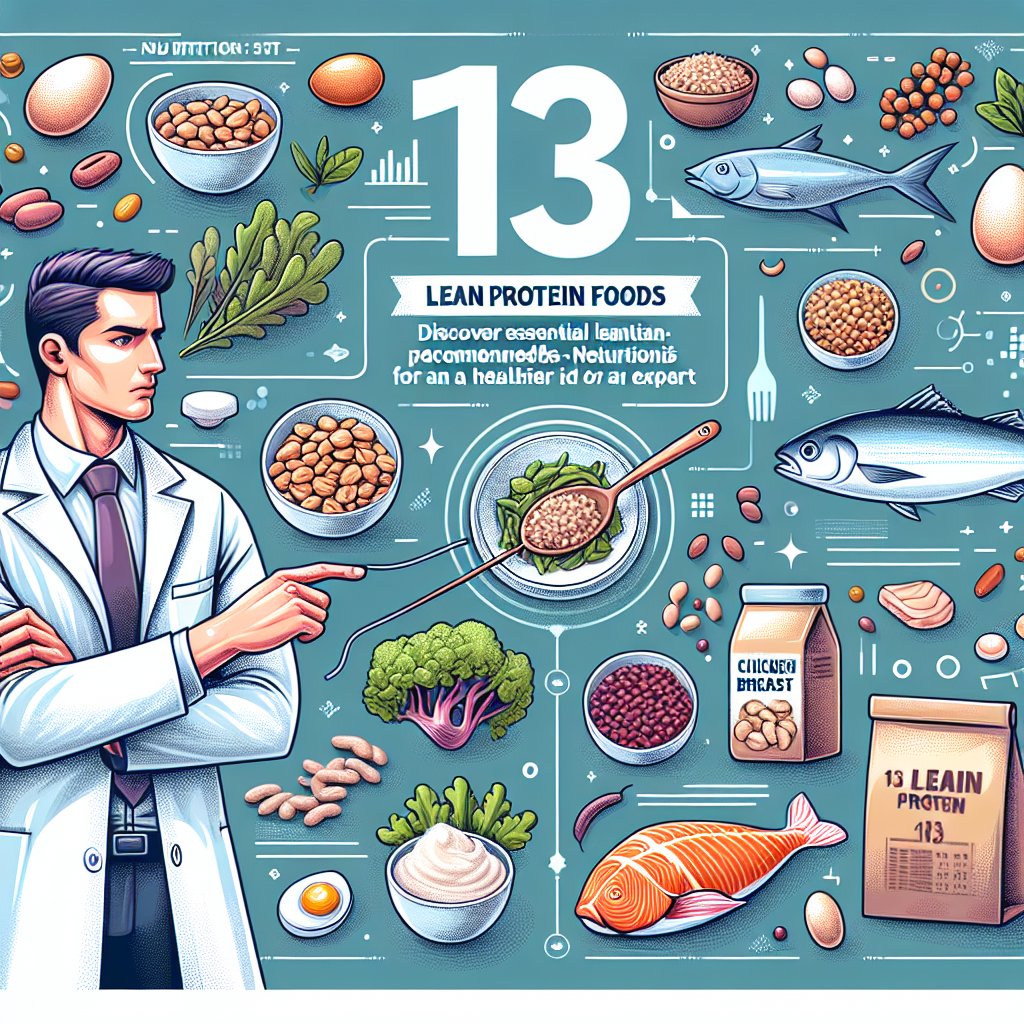
Understanding lean protein sources: What qualifies as a lean protein, and why is it essential for your diet? Everyday protein intake is crucial for various bodily functions, making the type of protein consumed significant. Lean proteins are the healthiest options. A registered dietitian provides a list of top lean protein choices and advice on incorporating more into your diet.
Lean proteins differ from other sources as they have less than 10 grams of fat, 4.5 grams or less of saturated fat, and 95 milligrams or less of cholesterol per 3.5 oz, according to USDA guidelines. They include both low-fat animal and plant-based proteins.
These proteins often contain important nutrients like iron, zinc, B12, and omega-3 fatty acids, in addition to vitamins, minerals, and fiber. As a vital macronutrient, protein supports processes such as cell maintenance, muscle building, tissue repair, and energy production.
Protein needs vary by individual, influenced by factors assessed by a healthcare professional. Generally, lean proteins are healthier for their low saturated fat and cholesterol content, reducing risks associated with heart disease. Yet, studies reveal conflicting evidence about the correlation.
Some research indicates that reducing saturated fat intake decreases cardiovascular events, while others show no direct correlation. The debate over dietary cholesterol’s impact on heart disease is similar. The variance in conclusions may arise from differences in participant diets and food’s saturated fatty acid composition.
Despite mixed findings, prioritizing lean protein remains advisable for heart health. Options include chicken, turkey, lean pork, white and fatty fish, eggs, dairy, tofu, tempeh, legumes, edamame, quinoa, and lean red meat, with instructions for incorporating these into meal planning.
Including lean proteins in your diet can be straightforward. Meal prepping proteins like tofu, chicken, and fish aids convenience. Skinless poultry parts reduce saturated fat intake; tender cuts of pork are best; white fishes offer lean varieties; and seafood like clams and shrimp are low in cholesterol.
Surprisingly, fatty fish like salmon and tuna qualify as lean due to high unsaturated fats improving heart health through omega-3s. Eggs are beneficial when balanced—combine whites with whole eggs to enjoy nutrients with less cholesterol. Low-fat dairy adds probiotics beneficial for gut health.
Plant-based lean proteins add fiber and minerals. Soy-based foods like tofu and tempeh offer complete proteins, while legumes and edamame provide valuable nutrients. Quinoa serves as a protein-rich grain option, and lean red meat, eaten in moderation, supports varied diets.
Seitan, a high-protein meat substitute, is another excellent choice, derived from gluten, making it rich in protein after flour processing removes starch.
Integrate these proteins into a balanced diet for overall health benefits.