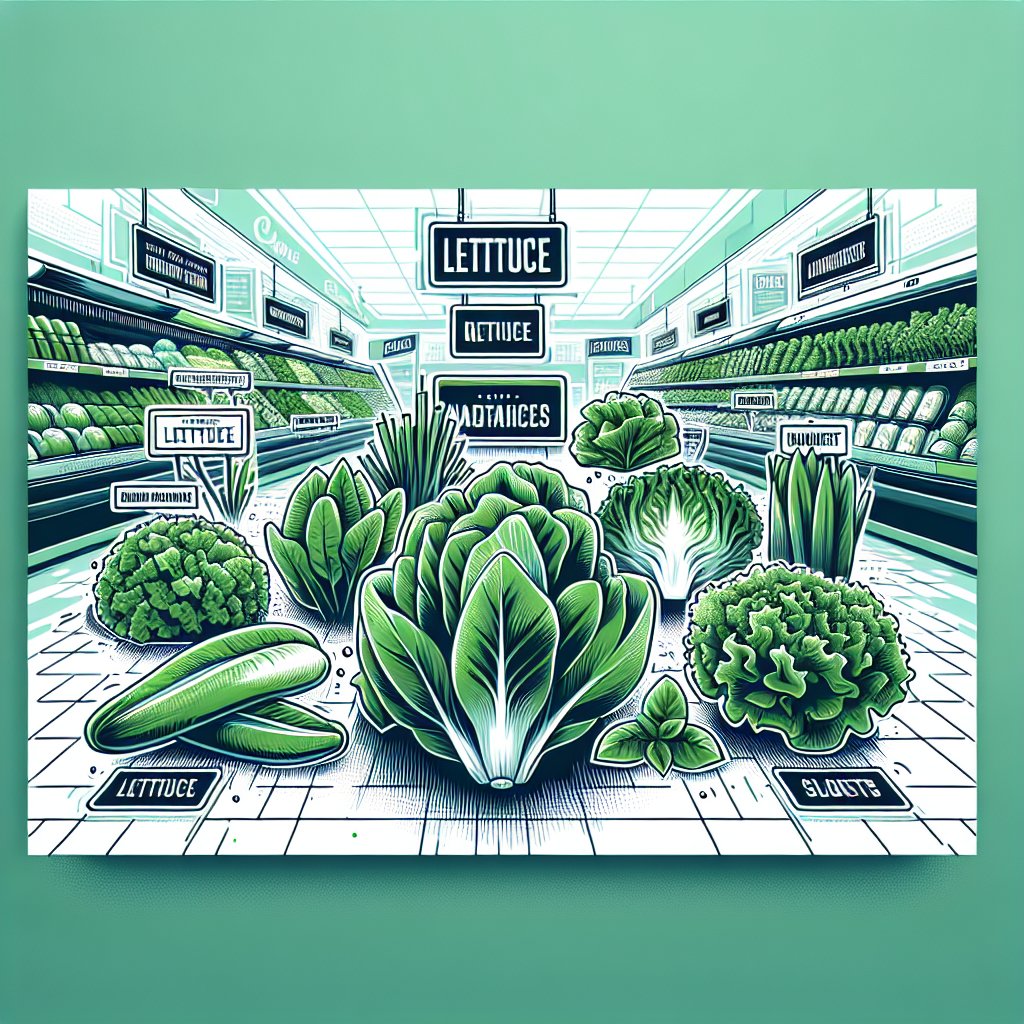
Choosing the right lettuce for your salad can significantly contribute to your daily vegetable intake. Salads, rich in color and variety, are a delicious way to meet the recommended five servings of fruits and vegetables per day. While traditionally used in salads, lettuces and leafy greens offer versatility, often used in various culinary creations.
When selecting lettuce, opt for leaves that are deep green and vibrant for higher vitamin, antioxidant, and phytonutrient content. Here’s a close look at seven of the healthiest lettuce options:
1. **Romaine**
Romaine is known for its rich vitamin A and K content, as well as folate. It also provides hydration and fiber, supporting various health aspects like eye, immune, and heart health. Commonly used in Caesar salads, its hearty texture suits grilling with olive oil and Parmesan.
2. **Butterhead**
Also known as Boston or Bibb lettuce, Butterhead offers a delicate texture along with potassium and vitamins A and C. It supports heart and immune health but should not be cooked due to its delicate leaves.
3. **Iceberg**
Despite its reputation for low nutrition, Iceberg provides high water content and significant amounts of vitamin A and K. It’s perfect for wedge salads or as a low-carb substitute for sandwich bread.
4. **Spinach**
Spinach is nutrient-dense, rich in antioxidants, vitamin K, and iron, supporting energy and metabolic health. It’s versatile, fitting well into salads, smoothies, pastas, and more.
5. **Arugula**
Known for its peppery flavor, Arugula is rich in vitamin C and calcium. It can be used in salads or as a pesto base and is ideal for gently wilted dishes.
6. **Radicchio**
With a distinct bitterness, Radicchio offers potassium and anthocyanins that reduce inflammation. Suitable for salads or lightly grilled dishes.
7. **Kale**
An acclaimed superfood, Kale is high in vitamins K and C, supporting blood and immune health. It can be massaged for salads or cooked into various dishes like soups or pastas.
To maximize freshness, store lettuce in a refrigerator wrapped in a towel within an airtight container. Enhance nutrient absorption by consuming them with healthy fats like olive oil. Each lettuce type provides unique benefits, but kale and spinach stand out for their nutritional density and kitchen versatility.