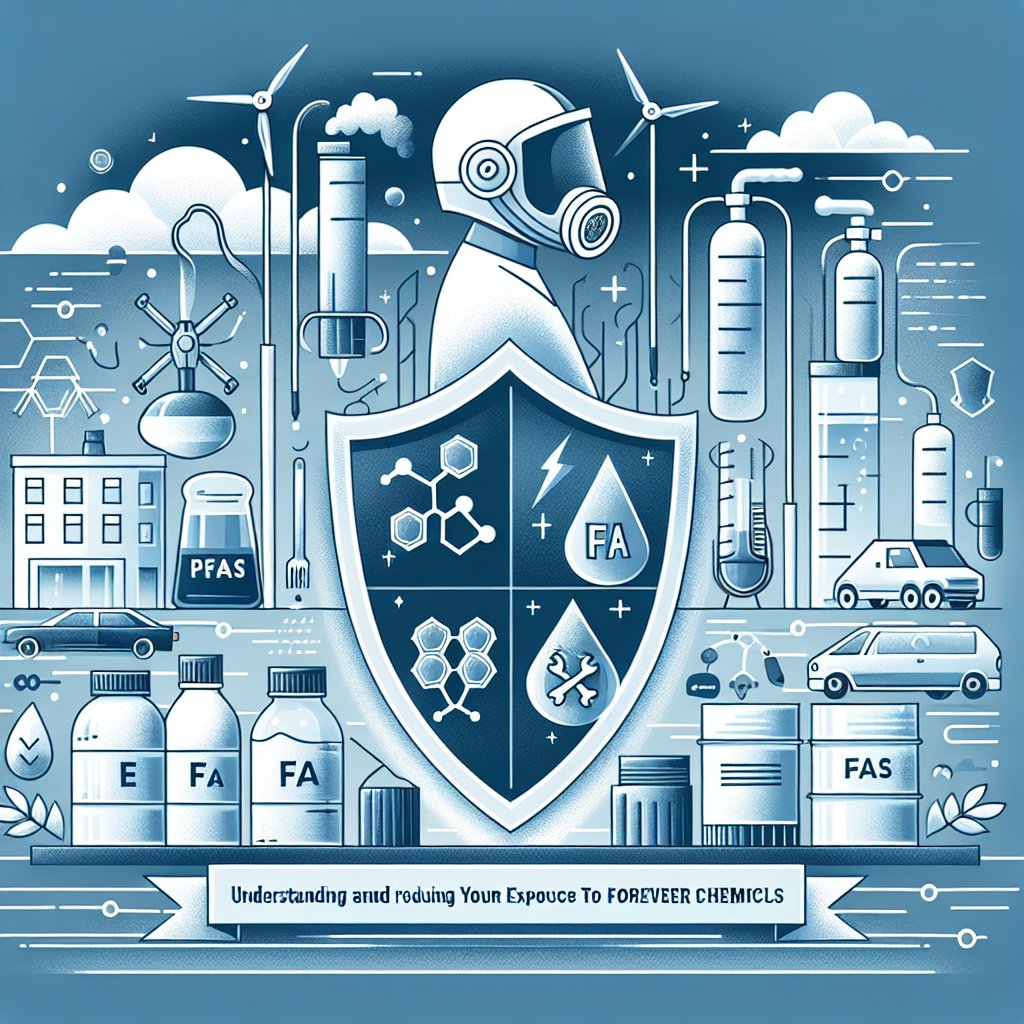
Technological innovations like leak-proof food packaging and nonstick cookware have made life more convenient, but they come with drawbacks, notably the presence of “forever chemicals.” These pervasive substances, known as per- and poly-fluorinated alkyl substances (PFAS), are gaining notoriety for their environmental persistence and potential health impacts.
PFAS, comprising a large group of chemicals used for their resistance to stains and water, have been integrated into a variety of products, from Teflon pans to water-resistant clothes. Unfortunately, their resistance makes them difficult to break down, allowing them to permeate our environment, affecting air, water, and even food.
The adverse health effects of PFAS exposure are concerning. Studies indicate that they may cause various health issues, including thyroid problems, liver damage, and even certain cancers. As these chemicals are found in everyday items, from nonstick cookware to fast food packaging, avoiding them requires conscious efforts.
The potential contamination of water sources by PFAS from industrial pollution and firefighting foam further complicates the issue, highlighting the importance of regulatory measures. The EPA’s recent steps to regulate PFAS levels in drinking water are a promising start.
To limit personal exposure, consider using PFAS-free products, such as stainless-steel cookware or filtered water. Reducing the consumption of fast food and processed snacks can also help. Legislation is shifting to address these concerns, and consumer awareness is a powerful tool in mitigating PFAS exposure.
Despite the challenges, education and informed choices can lead to decreased PFAS levels in the environment and human health improvements, indicating that collective small-scale efforts can lead to significant positive changes.
Understanding and Reducing Your Exposure to Forever Chemicals