Plus, an expert details how to quickly experience the benefits of CBD. Betty Gold, a former senior digital food editor at Real Simple, teams up with Emily Peterson, an experienced fact-checker, to explore the effects of CBD. CBD, a naturally occurring compound in cannabis plants, doesn’t contain THC and won’t get you high, no matter the amount used. The effects of CBD vary based on the type and strength of the product used.
Understanding when you’ll feel these effects is crucial. We consulted an expert to delve deeper into CBD’s benefits, such as improved sleep and reduced muscle aches, and to explain how long it takes for the effects to manifest after product use.
CBD is renowned for a range of promising health benefits. Although FDA approval is pending, the agency acknowledges the potential opportunities presented by cannabis-derived compounds. Research continues, yet many are eager to test CBD’s potential. Here are the notable benefits obtainable from CBD.
When CBD interacts with the body’s endocannabinoid system, it reduces inflammation and modulates pain signals, making it popular among athletes and individuals with chronic pain. It alleviates pain and tension without causing a high that might interfere with activities.
CBD’s calming properties can help mitigate anxiety and stress symptoms by interacting with brain serotonin receptors. Users often report feeling relaxed and focused, devoid of THC’s psychoactive effects.
Furthermore, CBD assists in managing nausea, thanks to its effect on serotonin receptors, which play a role in the brain’s response to nausea and vomiting. Many undergoing chemotherapy or suffering from digestive disorders rely on CBD to control nausea.
Given its ability to relieve muscle pain and stress, it’s unsurprising that CBD can promote better sleep. These are common insomnia triggers, and CBD’s relaxing properties may expedite sleep onset and enhance the quality of rest.
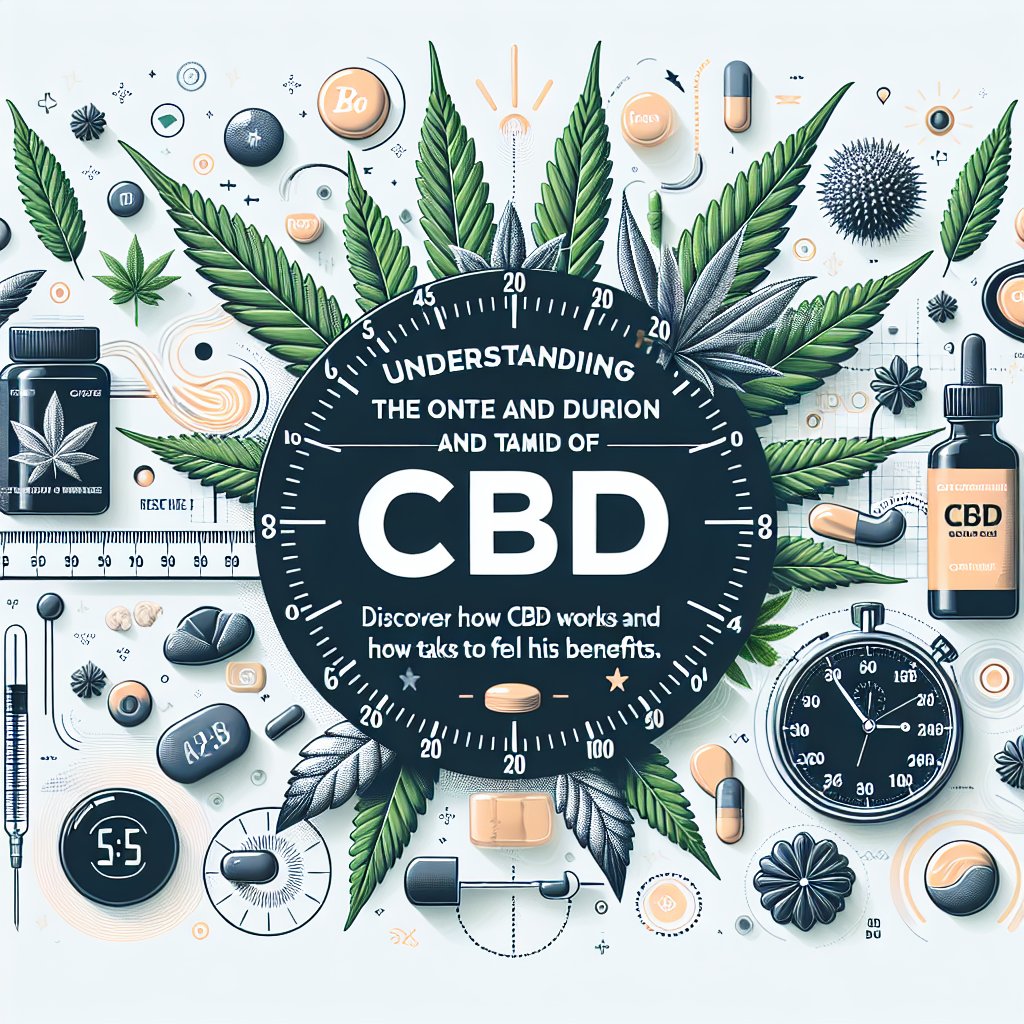
A common question for first-time users is how long until CBD affects the body. Boris Shcharansky of Papa & Barkley says timing largely hinges on the dose method. Here’s a straightforward guide.
Topical CBD products, like balms and lotions, typically act immediately. Relief begins within about 15 minutes, lasting two to six hours, contingent on dosage and condition severity.
Ingestible products, such as tinctures, capsules, and gummies, have variable results. Tinctures placed under the tongue absorb within 30 seconds and take effect in 15 minutes. When swallowed or consumed with food, results may take 45 minutes to two hours, peaking between two and four hours after ingestion and lasting up to six to eight hours.
If you’re encouraging relief from aches or inflammation with CBD, avoid high initial doses. Wait ample time before increasing dosage, as explained by Shcharansky: “Ingesting CBD fosters attentiveness and lowers anxiety and inflammation-related pain, while doses over 200 mg may cause drowsiness.” Dosage should be customized individually.
For quick CBD effects, Shcharansky recommends sublingual tincture use by placing it under your tongue, holding, then swallowing. He stresses that CBD benefits are less instantaneous and more cumulative over time, reducing inflammation and pain with consistent use.
CBD differs from THC in that it’s non-psychoactive, offering therapeutic benefits like pain, anxiety, and inflammation reduction without causing intoxication. While THC directly binds to brain receptors, CBD’s interaction is more subtle.
Avoid using CBD if pregnant or breastfeeding due to insufficient safety studies. It can interact with certain medications and might affect those with low blood pressure. Overconsumption can lead to side effects, so it’s advised to begin with low doses and consult healthcare professionals before significant dose changes.