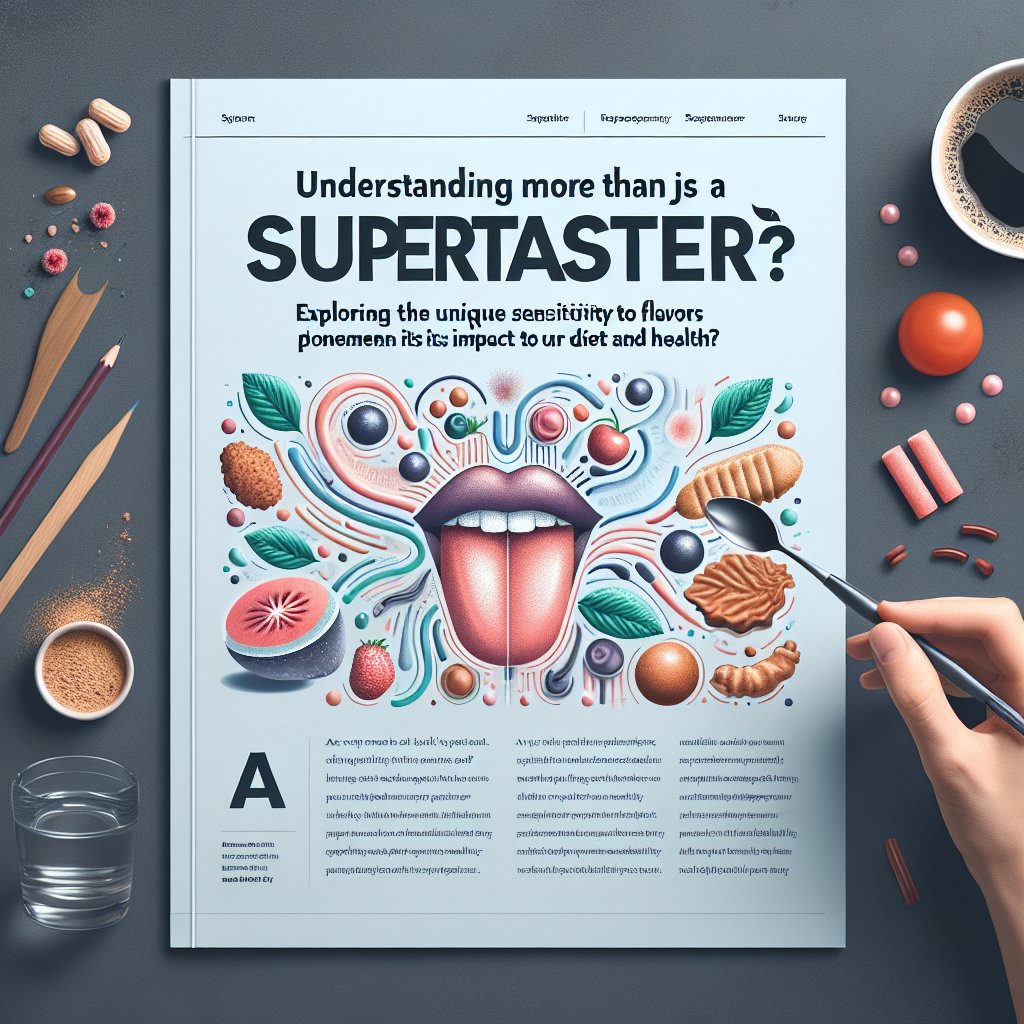
Being a supertaster means experiencing flavors more intensely due to a higher number of taste buds and specific genetic traits. These individuals often find bitter, spicy, and fatty foods overwhelming. While they might avoid certain nutrient-rich foods because of this heightened taste sensitivity, simple solutions like adding sweetness or healthy fats can help make these foods more palatable.
Supertasters are generally less prone to overindulge in alcohol, cigarettes, and sugary foods, which can be beneficial for their overall health despite dietary challenges. The concept of a picky eater is often misunderstood—in fact, such selectivity might be tied to being a supertaster, with an inherently keen ability to detect flavors.
The condition isn’t always enjoyable; supertasters might limit their diets to avoid disliked flavors, potentially missing out on essential nutrients. However, they also tend to eat in moderation, aligning portions with their body’s needs. This could help reduce risks of overeating or metabolic issues, though these benefits warrant further study.
Supertasters have more taste buds than non-tasters, leading to a heightened experience of flavors. They possess the TAS2R38 gene variant, which allows them to perceive the bitterness of chemicals like PTC. Approximately 25% of Americans are supertasters, with variations seen among different sexes and ethnicities, as women and racial minorities are more likely to have this gene.
Navigating a supertaster’s dietary preferences involves avoiding or minimizing exposure to unpleasant flavors. Bitter, spicy, and overly sweet foods are commonly off-putting. Some even consider fat as a distinct taste that supertasters are extremely attuned to. While they may shy away from rich foods, they are also less likely to consume unhealthy, high-sugar options extensively.
Interestingly, these individuals might be less inclined towards smoking or drinking, as their sensitive taste buds can find the flavors of alcohol and tobacco unpleasant. This heightened sensitivity could contribute to lower tendencies towards substance addiction.
For those suspecting they might be supertasters, at-home test kits can offer clarity. Embracing the unique palate that comes with being a supertaster involves balancing flavor intensity with dietary needs, making informed choices about food consumption for improved health outcomes.