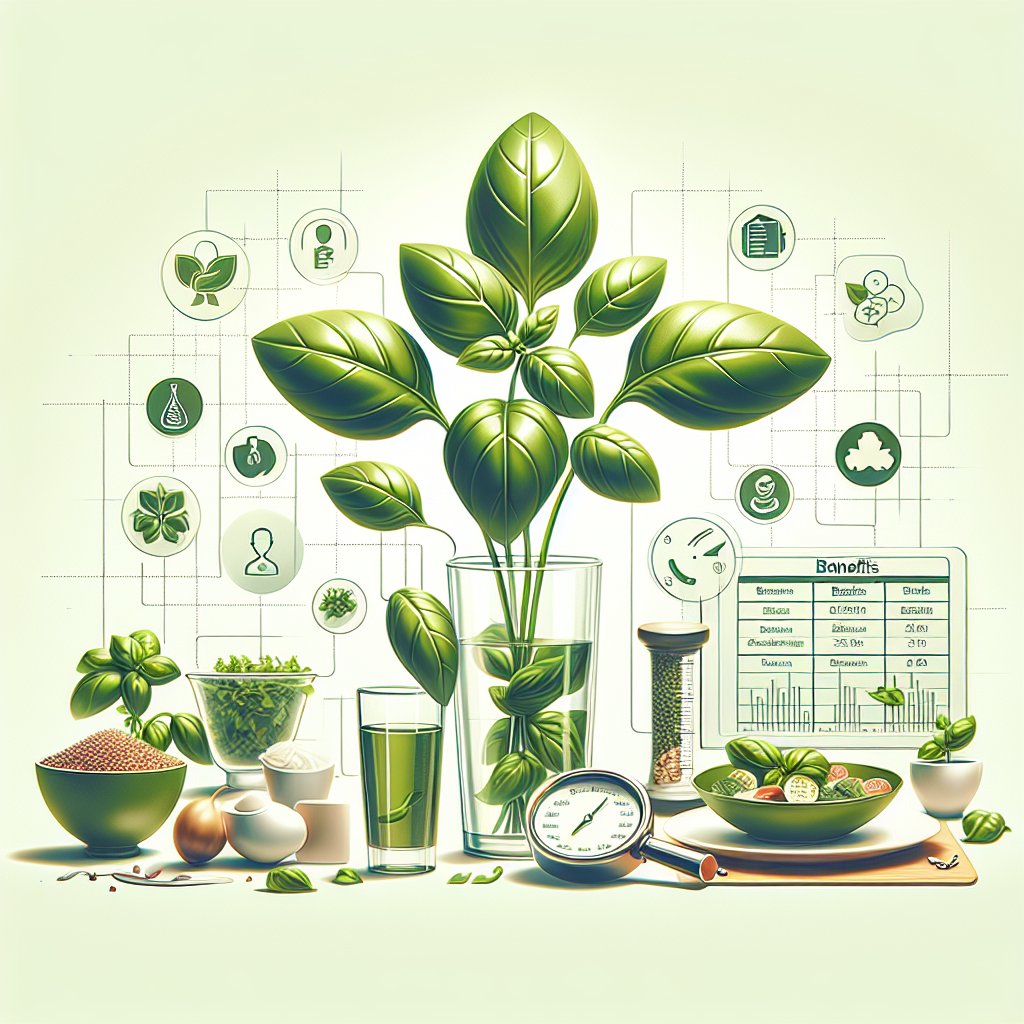
Basil is more than just a garnish; it’s a culinary essential for home cooks everywhere, bringing a sweet, slightly peppery flavor that enhances any dish. According to dietitian Michelle Routhenstein, fresh basil adds both wonderful taste and health benefits to meals. Basil’s smooth, tender leaves make it a perfect addition to salads, garnishes, pestos, dressings, and sauces.
Beyond its flavor, basil is a nutrient-rich powerhouse packed with antioxidants, like eugenol, which help neutralize free radicals and reduce the risk of chronic diseases such as heart disease. Its Oxygen Radical Absorbance Capacity (ORAC) score highlights its ability to combat oxidative stress.
Rich in essential nutrients like vitamin K, vitamin A, iron, and calcium, basil is beneficial despite being consumed in small amounts. Its phytonutrients have anti-inflammatory properties, combating inflammation linked to cardiovascular disease and type 2 diabetes.
Adding basil to your diet can support healthy blood sugar levels and improve insulin sensitivity, thanks in part to its polyphenol content, which affects glucose release and glycogen breakdown.
For digestive health, basil’s compounds like cineole and estragole reduce inflammation in the gut, relieving indigestion and bloating. Beneficial for the gut microbiome, basil supports a healthy balance of bacteria, aiding digestion.
To enjoy basil more, try these tips: sprinkle fresh leaves on salads and pasta, use a large handful in homemade pesto, flavor teas and infused water, enhance marinated meats, or freeze chopped leaves for later use. For storage tips, look for guides on preserving fresh basil effectively.
Why You Should Include Basil in Your Daily Meals