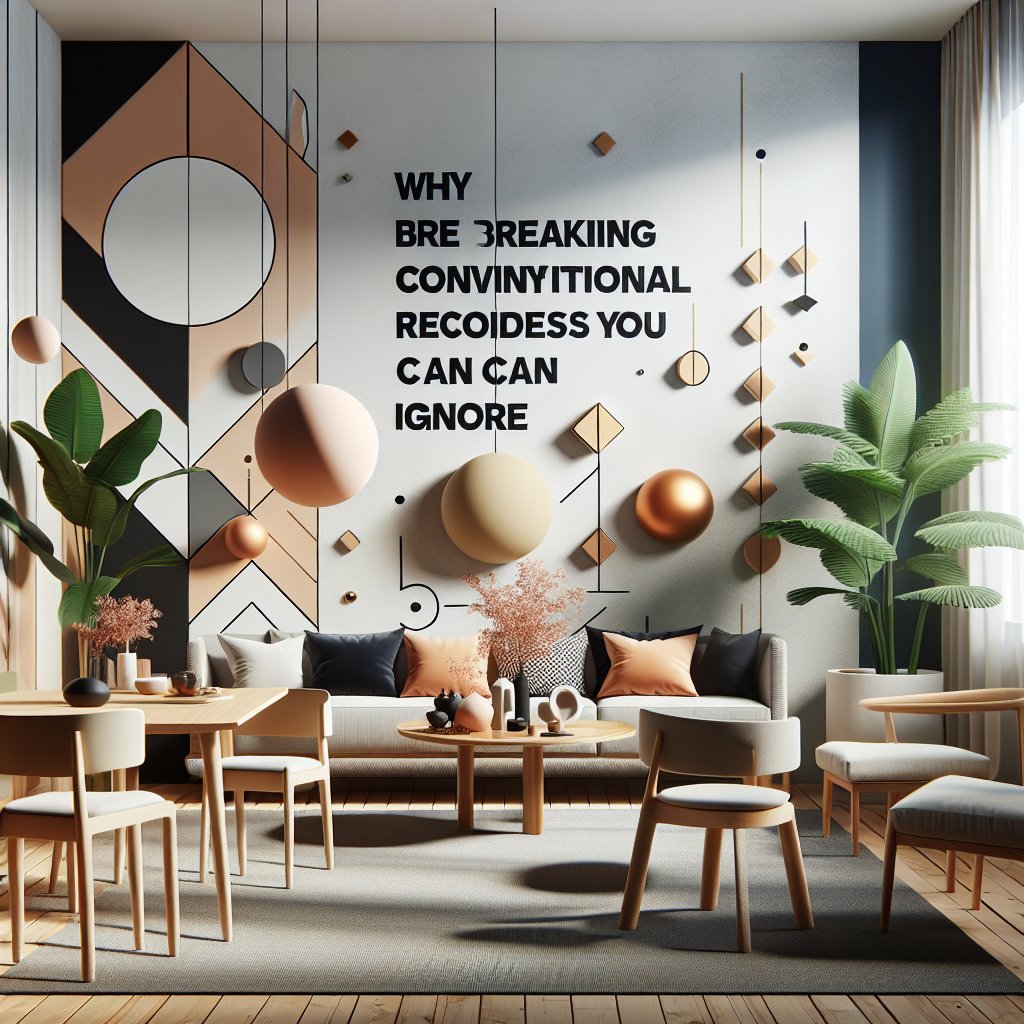
Stepping into a new space is both exciting and daunting. From furniture selection to color choices, the tendency to fall back on familiar decorating “rules” is tempting. Yet, interior designers often find that the rules most commonly upheld are actually ripe for breaking.
Symmetry is often seen as the key to balance, but many designers argue it isn’t always necessary. Designer Isabella Patrick notes that true harmony in a room may come from the flow and visual cues rather than mere symmetry.
Another frequently cited rule involves matching metals, particularly in kitchens. Mikel Welch advises that mixing metals with intention yields a more curated look.
Dark paint in small rooms is typically avoided, yet Welch suggests that deeper hues can foster a sense of intimacy rather than enclosure.
The idea of cohesiveness as a design mantra may lead to uninspired spaces. Instead, mixing time periods and styles, as Jason Saft recommends, makes a space feel personal and lively.
Similarly, while art hung at eye level is standard practice, varying art heights brings dynamic interest to a room.
In children’s rooms, investing in quality furniture that grows with the child is a more sustainable approach than purchasing inexpensive pieces that will soon be discarded, says Hollie Velten-Lattrell.
Placing all furniture against the walls can result in a boxy, constricted feel. Saft advises pulling pieces toward the center to encourage conversation.
Rugs in dining rooms might seem impractical, but they bring warmth and continuity, often disguising wear more effectively than bare floors, as noted by Welch.
Large sectionals might not be the go-to for family settings, as Velten-Lattrell points out. She advocates for varied seating arrangements to make people feel both connected and autonomous.
Finally, playing it safe in decorating can stifle creativity. Patrick encourages infusing spaces with personal touches that provoke thought and delight.
These insights show that stepping out of traditional bounds can lead to a home that truly reflects individual taste and personality.