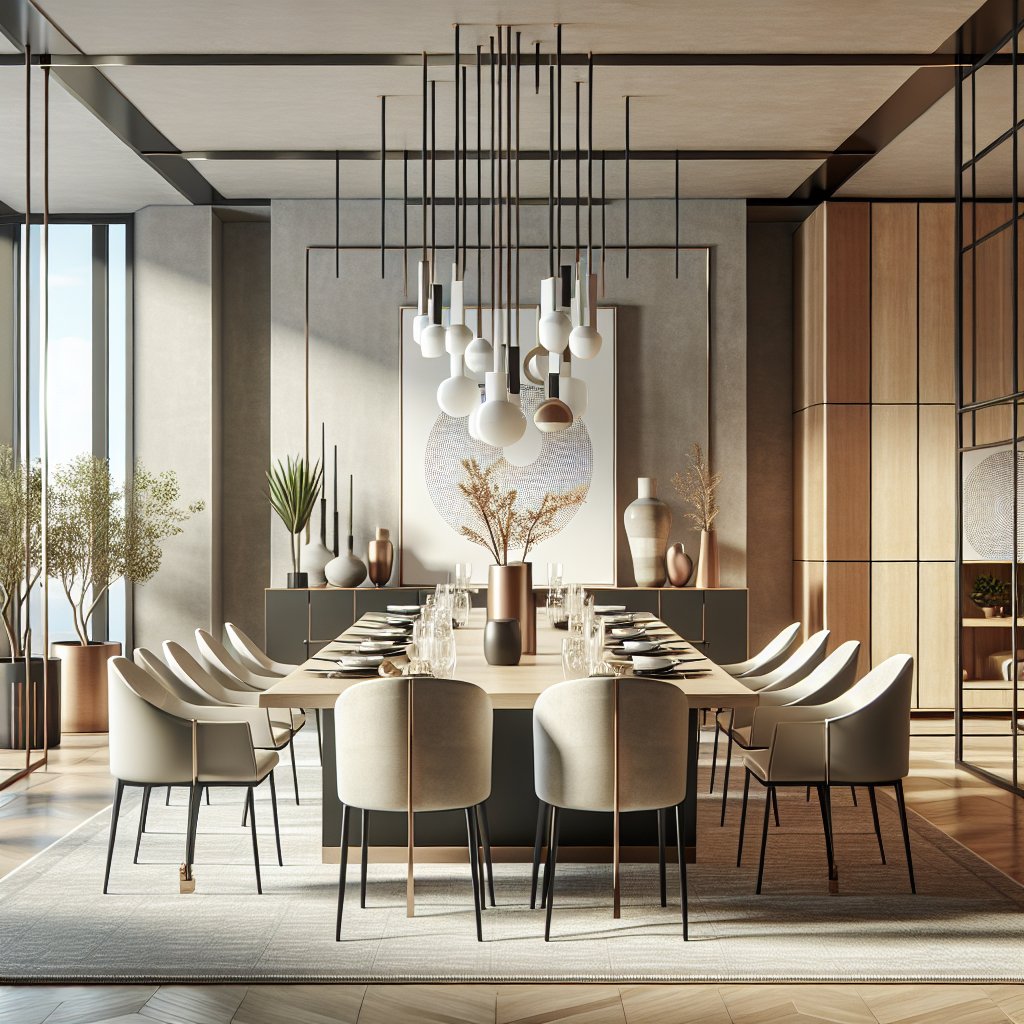
In recent years, the landscape of home design has undergone significant changes, particularly concerning the dining room. As homeownership becomes more challenging for younger generations—leading to prolonged renting or purchasing smaller properties—the use and significance of traditional dining spaces have evolved. Increased instances of single-person households further drive this shift.
During the heydays of open floor plans, many saw the formal dining room as obsolete, with kitchens becoming the focal points of homes, enhanced by inviting islands and adjoining breakfast areas. Yet the trend may be reversing. Interior designer Hannah Goldberg notes a swing back towards more defined spaces, separating the preparation from the entertainment zones.
Despite the shifts, some families still cherish separate dining rooms for personal reasons, says Emma Kemper, an interior designer and author. Over time, these rooms have moved away from being solely formal spaces to more functional ones. Many homes began adapting their dining rooms for multiple uses during the pandemic, serving as workstations, offices, and more, a trend likely to continue.
For those finding their dining rooms underused, designers offer creative repurposing ideas. Hannah Goldberg suggests transforming a dining area into a cozy library by lining walls with bookshelves and adding a desk. Alternatively, you might integrate work areas if your dining table serves primarily as a desk.
Where space is scarce, banquettes off the kitchen can create a formal dining feel without needing a separate room. Even existing dining spaces can be reimagined, like converting them into playrooms for families with young children or cozy dens for casual lounging.
Dining rooms are not disappearing but are transforming to accommodate modern living needs. With clever design choices, these spaces can continue to bring functionality and joy to a home.