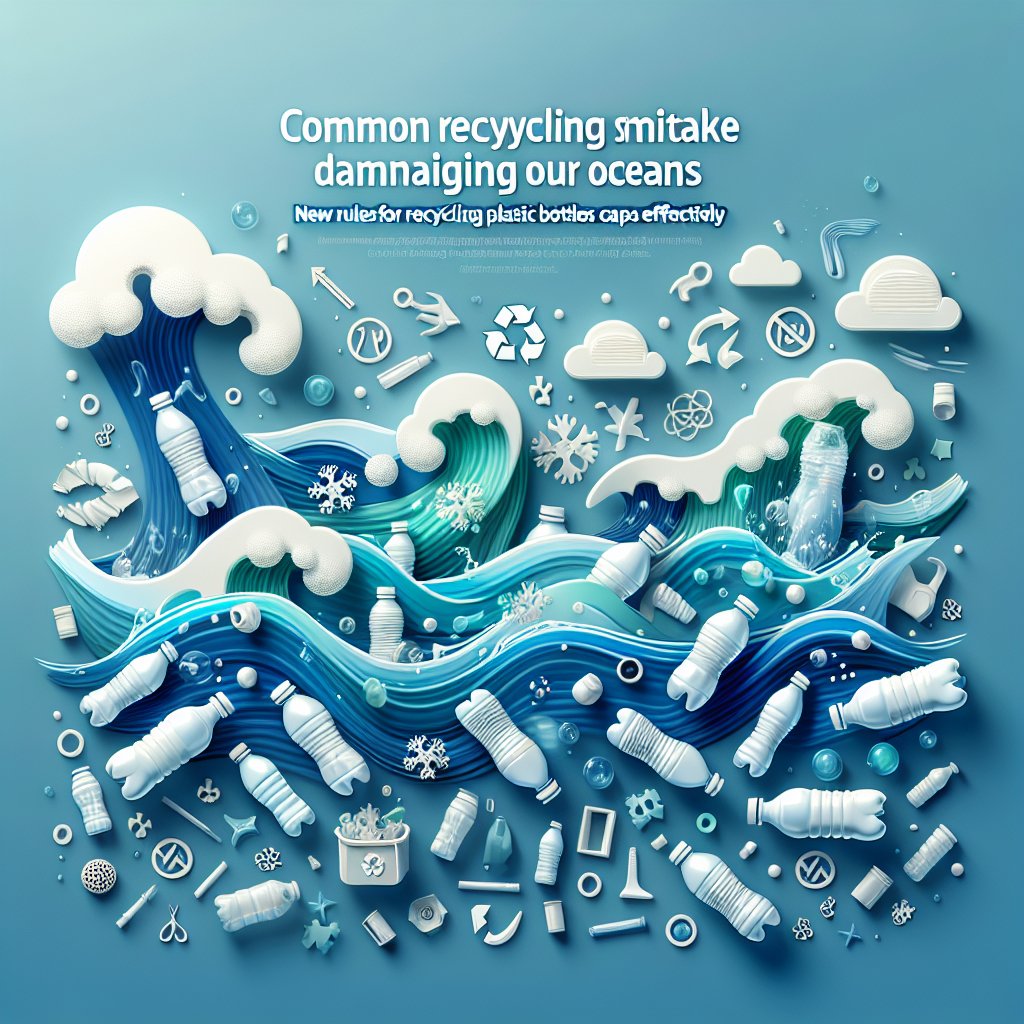
The updated guideline for recycling plastic bottles is to “empty and replace the cap.” For many years, recyclers have been instructed to remove bottle caps and flatten bottles to avoid jams in recycling machinery. However, these steps are no longer necessary and can actually cause more harm.
The advancements in recycling technology now allow bottles to be recycled with their caps on. The cap materials, typically high-density polyethylene (HDPE) and polypropylene (PP), are highly sought after in recycling markets. Thus, leaving caps on aids recycling plants significantly.
Moreover, flattening bottles can mislead sorting processes, causing them to be processed as paper waste. Retaining a 3D form of bottles ensures they are sorted correctly.
Floris van Hest from the North Sea Foundation highlights that plastic caps, improperly recycled, are a major contributor to beach litter globally. Research about the Dutch North Shore found a significant percentage of caps on the shore were from consumer products and were severely weathered, reflecting their long-term presence in the ocean. These caps rank among the most dangerous pollutants for marine life.
Ideally, reusable bottles and metal straws are recommended. When recycling, rinse out plastic bottles, reattach the cap, and place them in the recycling bin. Contacting local recycling facilities to check their processing capabilities can provide further tailored instructions.