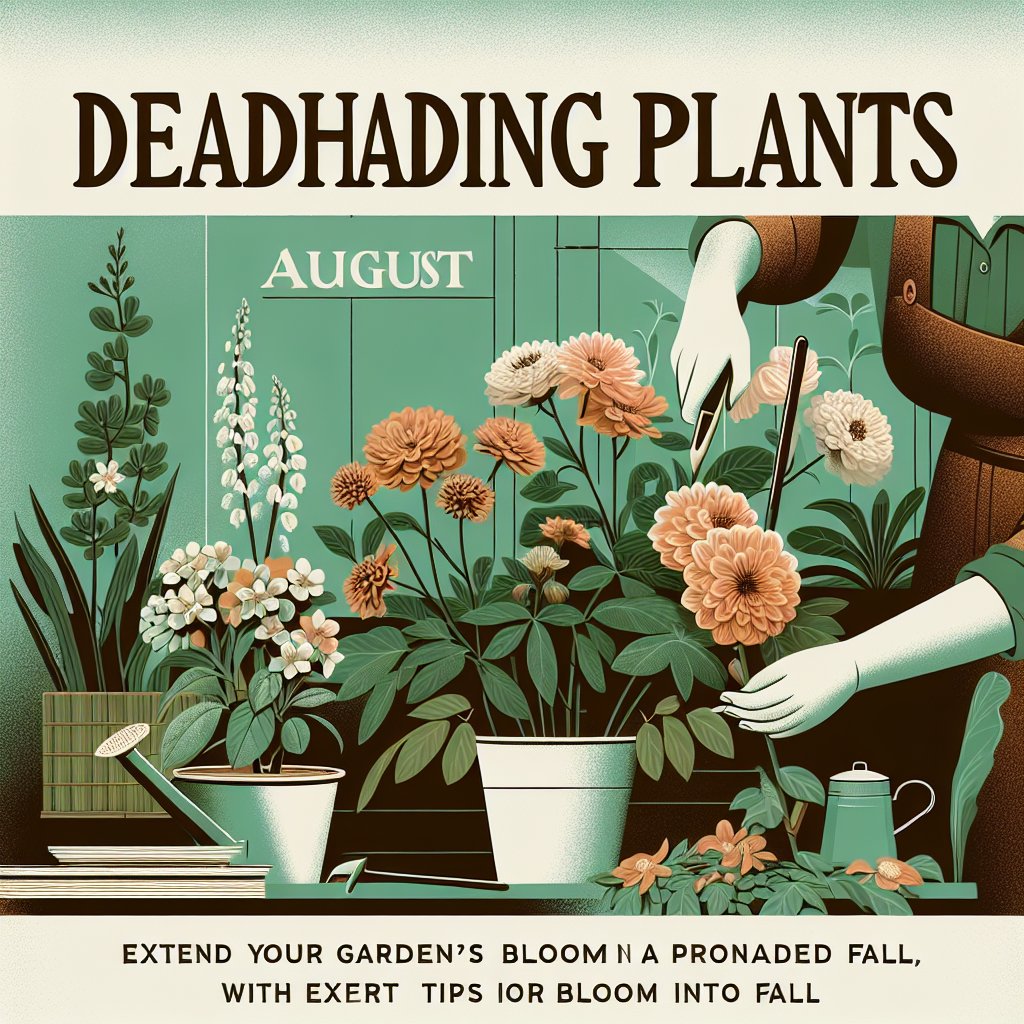
As August arrives, marking the winding down of summer, there’s still important work to be done in the garden to keep flowers blooming into fall. According to Tammy Sons, a horticulturist and the CEO of TN Nursery, August is an ideal month for deadheading, a technique that encourages a second bloom and extends the flowering period.
Courtney Sixx, co-designer of Bouquet Box, highlights that marigolds are an important plant to deadhead. By removing old blooms, gardeners can keep their marigolds dense and blooming non-stop. If marigolds appear tired, a trim and light feed can rejuvenate them.
Steven Engel of PanAmerican Seed advises that zinnias, which are at their peak in summer, can benefit from deadheading. Clipping spent blooms at the nearest leaf node not only prolongs their blooming but also strengthens their stems.
Petunias, treated as annuals in many gardens, thrive with a quick deadhead in August, particularly if grown in containers. Following deadheading with deep watering and a compost mulch helps support fresh growth.
Certain perennial salvias can be coaxed into blooming multiple times with careful deadheading. For best results, trim just above the first pair of green leaves below the spent flower spike.
For geraniums, removing faded blooms helps maintain their shape and encourages new flowers. Sixx suggests also removing yellowing leaves and applying a liquid bloom booster every few weeks.
Coneflowers, also known as echinacea, offer a mixed approach. While deadheading maximizes blooms, leaving some seed heads can attract finches and add visual interest. Insects love the seeds, and they add winter beauty to the garden.
Finally, roses continue to appreciate deadheading into August. For repeat-blooming varieties, removing spent blooms promotes a healthy display of flowers into the cooler months. Attention to pruning can also improve airflow, important for disease prevention.