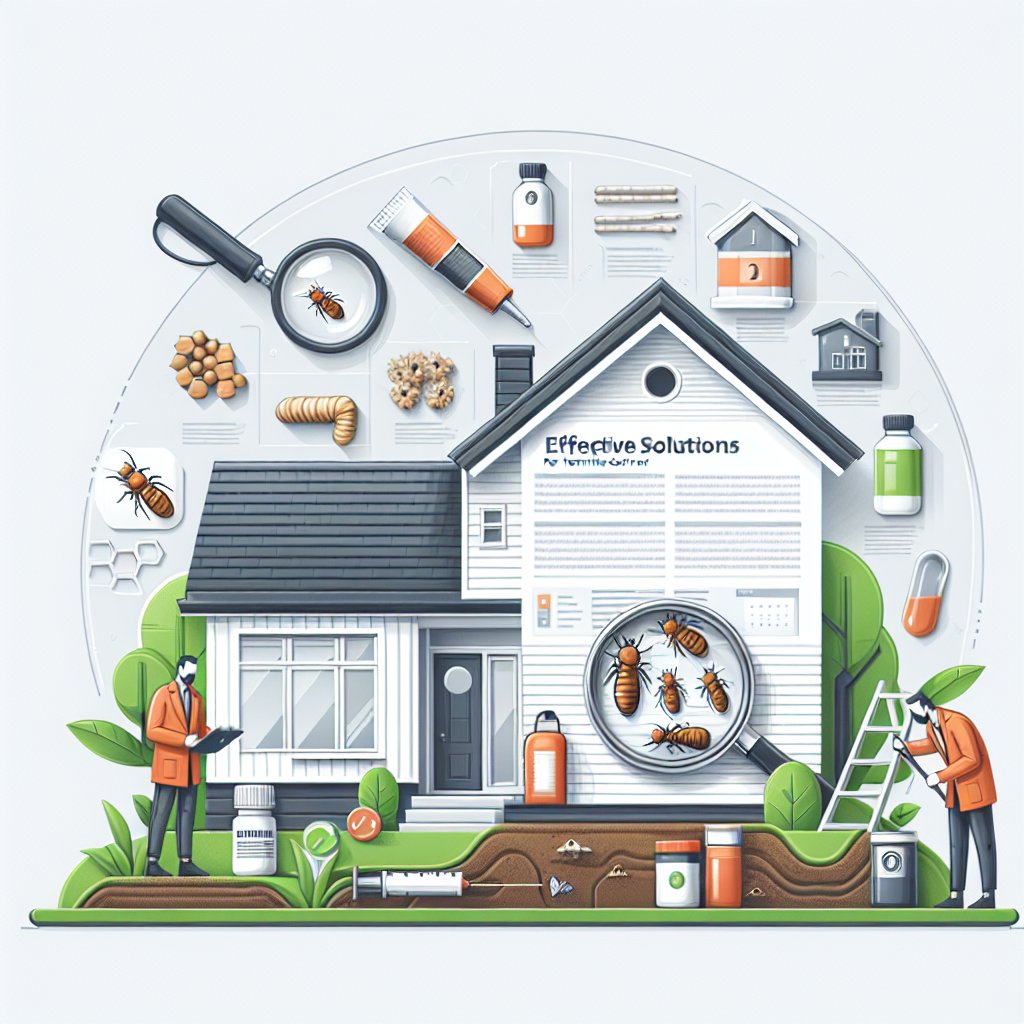
Termites can cause significant damage to your home as they feed on wood and other cellulose-based materials. Often going undetected for years, they can be tricky to notice early. Doug Webb, an entomologist with Terminix, explains that termites are adept at hiding and primarily feast on structural wood, making their detection challenging. Once identified, rapid action is vital.
To treat a termite infestation effectively, understanding the type of termite is crucial. Common indicators of these pests include swarming termites, which are reproductive and establish new colonies, shelter or mud tubes, and damaged wood, which might sound hollow when tapped.
Subterranean termites build their colonies in the ground and enter structures in search of food, while drywood termites nest directly in wood, making different control measures necessary. Signs of drywood termites include fecal droppings and shed wings.
DIY solutions are available but may not be effective against established colonies, which can number in the millions. Options include liquid and foam pesticides, traps with poisoned bait, boric acid, and barriers. Essential oils may help in early infestations but aren’t recommended for severe ones.
Professional treatment is often required for severe infestations, offering options like soil treatment zones and termite bait stations. Preventive treatments, such as fumigation or heat treatments for drywood termites, are available and can protect homes in high-risk areas.
Preventive measures include professional pre-treatment, especially in areas prone to termite issues, to avoid costly future repairs.