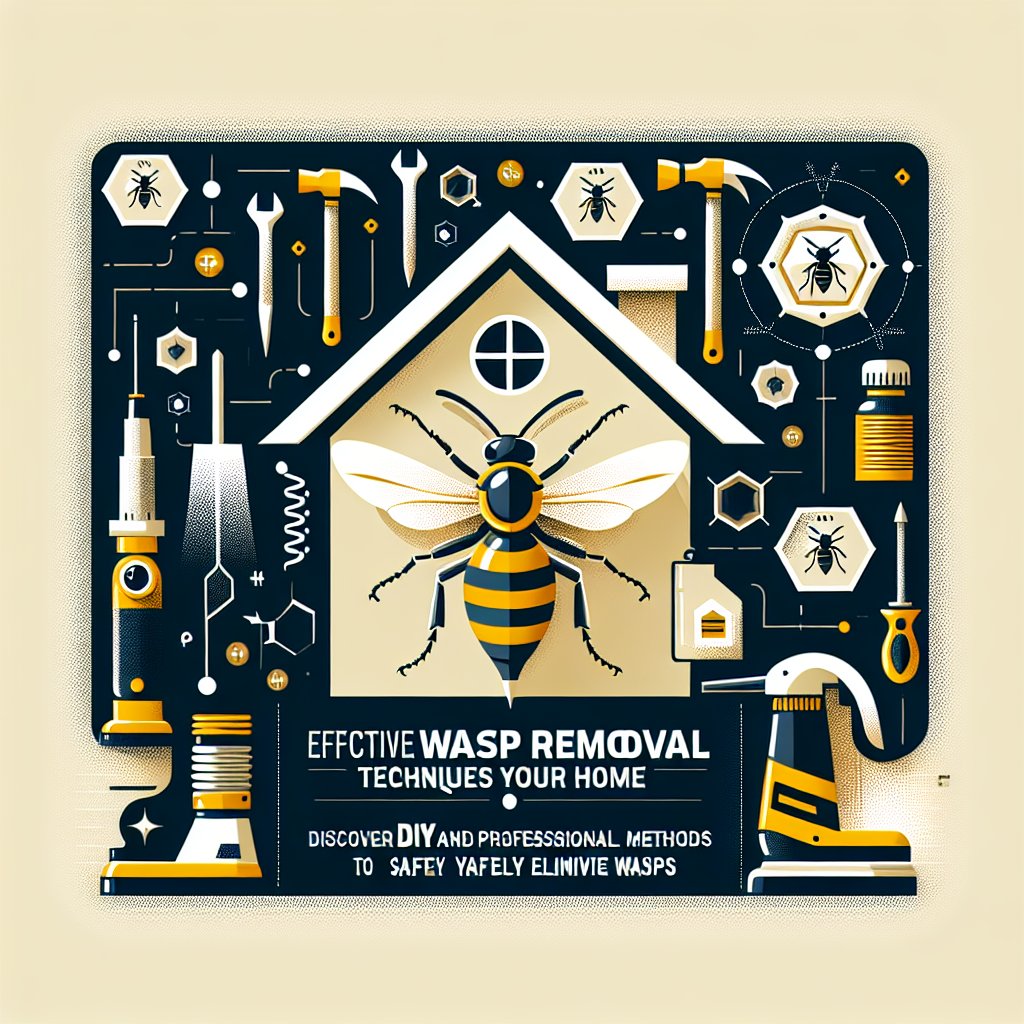
Wendy Rose Gould, a skilled lifestyle reporter from Phoenix, Arizona, shares insights on managing wasp infestations at home. Given the necessity of cohabitating with nature, effective wasp control becomes crucial if these insects establish themselves near one’s residence. Wasp presence needs to be managed promptly to prevent growth in their numbers.
Signs of wasp infestation often start with spotting the insects themselves, which differ from bees by their longer, smooth bodies, slender profiles, and non-fuzzy texture. Nests, which can rapidly expand from a few wasps to a considerable colony, are often visible under eaves or within wall voids where wasps fly in and out. Alternatively, nests may be hidden in bushes or trees, unnoticed until disturbed.
Various nest types include the paper-like structures of paper wasps, the large nests of bald-faced hornets, or the mud tubes created by mud dauber wasps. While most wasps, like yellowjackets and hornets, can be aggressive, others like the cicada killers and potter wasps, generally pose no threat to humans.
Essential distinctions between bees and wasps include their diet and nesting habits—bees being nectar consumers that build wax hives, whereas wasps hunt insects and build paper-like nests.
Queen wasps reprise a crucial role in their colony’s life cycle, with only fertile queens surviving the winter to establish new nests in spring. Infestation control can often begin with DIY methods such as applying a dish soap and water mixture or dedicated wasp sprays. Cautions include performing these actions during cooler times when wasps are inactive.
Professional intervention may be necessary for large nests, aggressive wasps, or nests located in tricky areas such as inside house walls or attics. Preventative measures like routine inspections, sealing entry points, and applying residual treatments in early spring are recommended to deter nesting.
Wasps, despite their notorious sting, play a crucial role in ecosystem pollination, although less efficiently than bees, and must be managed with care and awareness. Particular attention is needed to prevent allergic reactions and ensure safe cohabitation with nature.