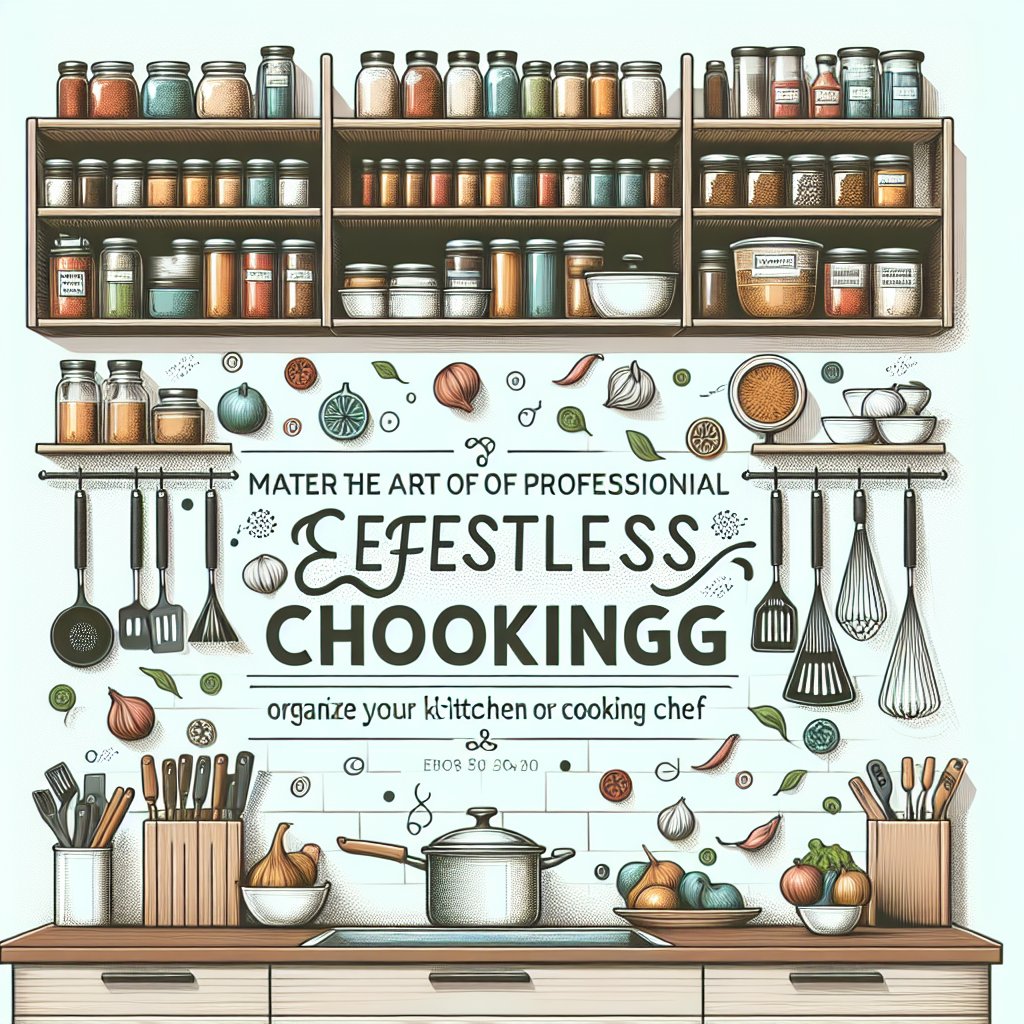
Say goodbye to kitchen clutter and welcome an organized culinary space. Organization is crucial in creating a useful and sanitary kitchen. Keeping cookware, tools, and ingredients in order not only simplifies your life but makes food preparation, shopping, and eating more enjoyable. As the most-used room in any home, the kitchen’s arrangement and cleanliness are vital.
Efficient kitchen organizing is centered on boosting functionality and accessibility. Professional chefs stress the importance of having everything in its place. Implement a kitchen system that works for you, following these expert tips to maintain a practical and appealing cooking space.
Melissa Rodriguez, owner and executive chef at Crane Club in New York, advises finding a dedicated spot for frequently used items. Keep small appliances and tools you don’t use daily stored away. Clutter, she says, is the main culprit for a disorganized feel.
For an innovative approach, chef Gustavo Mejia of Esmé in Chicago recommends a spice wall to keep track of your inventory easily.
Derek Piva, executive chef at The Restaurant at Tu Tu’ Tun, Oregon, suggests zoning your space according to its function. Designate areas for preparation, cooking, and plating, keeping your essential tools and ingredients within reach, while storing less-used equipment in higher or more distant spots.
For dry goods, consider clear containers. Piva likes options from The Container Store and highly recommends Cambro containers for their durability.
In small kitchens, chef Daniel Grossman from Confidant, Brooklyn, finds multi-leveled lazy Susans indispensable for organizing spices, vinegars, and oils. They offer convenience and add a stylish touch.
Aesthetics matter, says Piva; a well-organized kitchen inspires culinary creativity. Regular audits help keep space uncluttered—if something hasn’t been used in six months, question its value.
Arnold Myint from International Market 2.0 in Nashville advises using deli containers, masking tape, and markers for clear labeling. This practice saves space and avoids confusion in your pantry and fridge.
Decluttering is key! According to Anthony Goncalves from Kanopi, grouping similar items improves cooking efficiency and reduces waste.
When you discover a new spice or ingredient, make it accessible to maximize its use, recommends Jamie Bissonnette of BCB3 Hospitality.
Adam Fiscus, of Central Park Boathouse, New York City, suggests keeping sinks clear and beverages in the fridge door for easy cleaning.
Regular kitchen checks, advises Fiscus, help retain space and find unused items a purpose or new home. Each item should have a designated place, with even a junk drawer for miscellaneous items.
Rick Martinez, cookbook author, emphasizes everything having its place. Items in their zones ensure efficient cooking without unnecessary movement. He refreshes his pantry every January, replacing spices and herbs older than a year to maintain freshness and avoid waste.