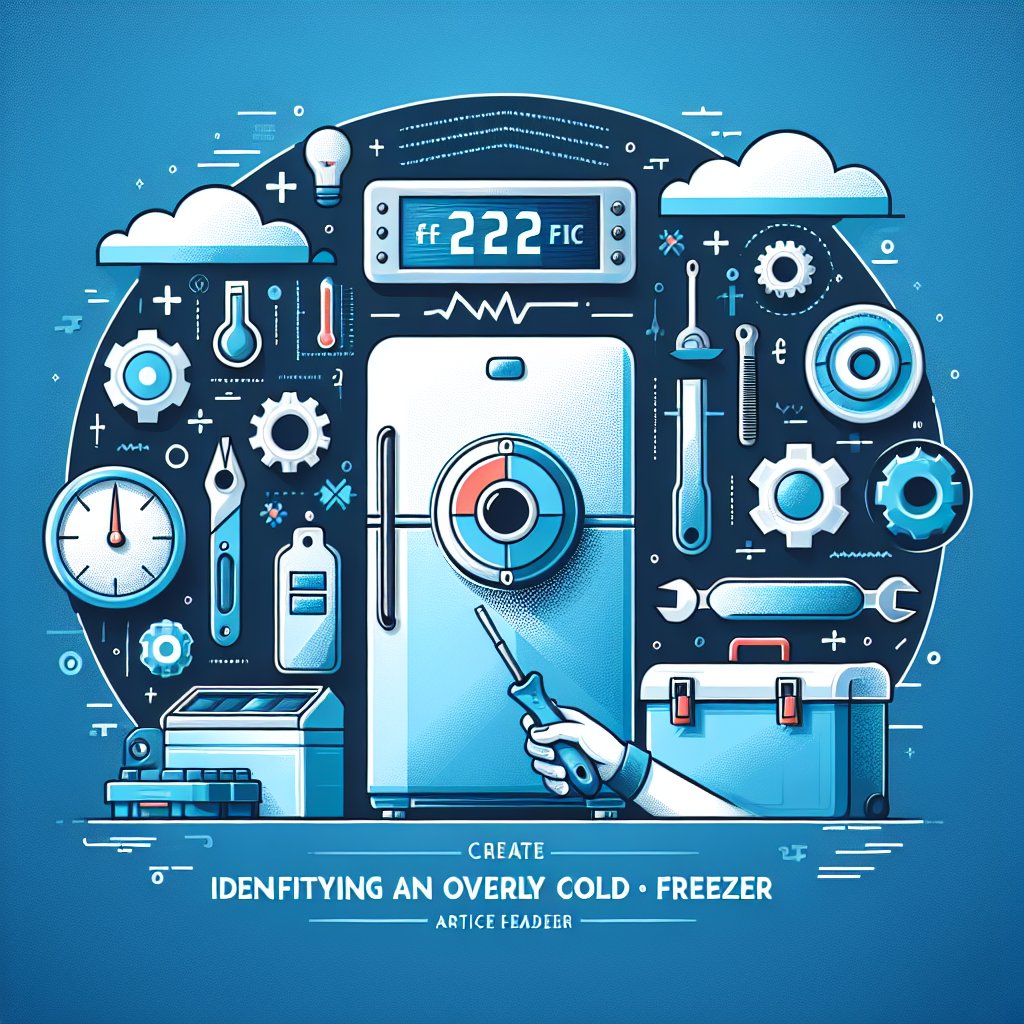
It might sound like a good idea to keep your freezer extra cold to preserve food, but excessive coldness can affect your food, increase your electric bill, and cause freezer issues. Recognizing when your freezer is too cold and fixing it can help maintain your appliance and save money. Here are the signs of a too-cold freezer and simple ways to fix it.
A common indicator of excess cold is freezer burn, which usually implies air exposure, insufficient wrapping, or fluctuating temperatures inside the freezer. Thick frost or ice on the freezer walls is another sign, as it can block air vents and sensors, affecting your freezer’s efficiency.
Using an independent freezer thermometer can help you monitor precise temperatures and prevent costly mishaps. While a lower temperature might seem like the best way to store meats and produce long-term, anything below zero degrees Fahrenheit won’t enhance preservation but will spike your energy costs.
To address a freezer that’s overly cold, start by checking the thermostat and resetting it to zero degrees if necessary. Rearrange items to ensure they don’t obstruct vents, which helps maintain temperature consistency in both the freezer and refrigerator compartments.
Ensure the freezer door seals are clean and fitted correctly to prevent air leakage. Additionally, regular defrosting—annually recommended—removes excessive ice buildup that could be affecting temperature control. Finally, keeping condenser coils clean of dirt and dust encourages optimal operation.
If none of these measures resolve the issue, you may need professional help as more complex problems like thermostat defects or faulty fans might be the cause.
Identifying and Fixing an Overly Cold Freezer