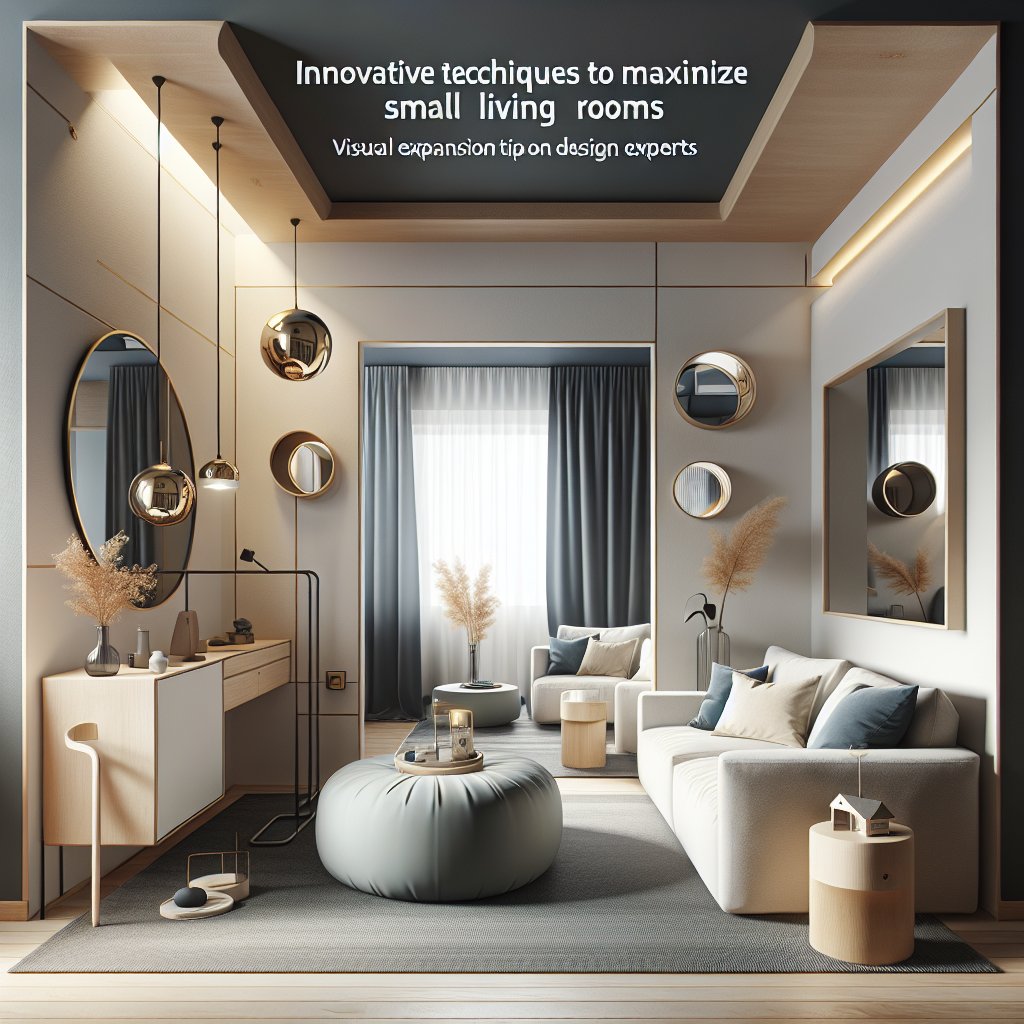
Whether it’s fitting in enough seating or figuring out a way to decorate the walls, balancing functionality and design in a small living room can be challenging. Transforming a tight space into a cozy and inviting area involves tricking the eye. Here are strategic tips from interior designers to make small living rooms appear larger.
Using the correct rug size is crucial, as noted by Rachel Humphreys of Humphrey Orr Interiors. She emphasizes that only placing rugs under the sitting area may make the room feel constrained. Having a custom rug with a small wood margin can create the illusion of a more expansive space.
A clever method to enhance the perception of height is to install curtains higher than the window top, drawing the eye upwards. The general suggestion is to position the curtain rods two-thirds of the space between the top of the window and the ceiling, making the room appear larger.
Built-ins, such as bookcases, are valuable for maximizing space. Not only do they add dimension, but aligning their tops with the ceiling can elevate the room’s grandeur. Built-ins can also serve as focal points if painted in bold colors or decorated with custom moldings.
Incorporating reflective surfaces can further amplify the room’s size. Large decorative mirrors provide an illusion of spaciousness. Alternatively, highly reflective paints can achieve a similar light-enhancing effect.
When furnishing a small room, opt for essential pieces like a large sofa or sectional alongside a coffee table and a chair, avoiding overcrowding. Furniture with built-in storage solutions can also help maximize space.
While a gallery wall might seem appealing, Ursula Carmona from HomeGoods advocates for using sizable statement artwork instead. A solitary large art piece reduces visual clutter and contributes to a sense of spaciousness.
By applying these design techniques, you can effectively transform a small living room into a functional, inviting, and visually larger space.