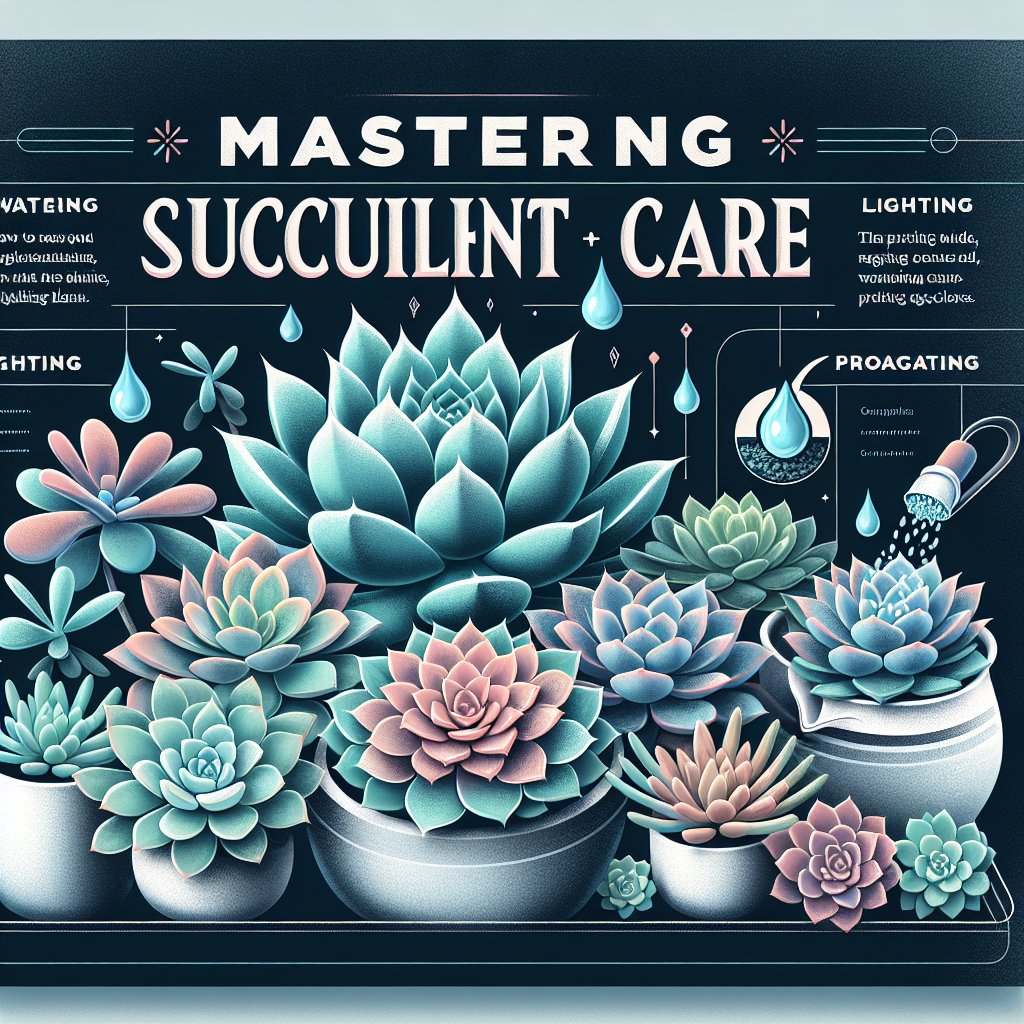
Succulents are beloved for their low-maintenance nature and aesthetic appeal, often serving as beautiful additions to home decor. These resilient plants have been a favorite since the early 2000s, thanks to their drought-tolerant qualities and wide variety. Originating from arid regions, succulents thrive with the right care, making them ideal for both novice and seasoned gardeners.
Experts recommend providing succulents with ample sunlight, ideally more than six hours a day. South or west-facing windows offer optimal conditions. Despite their adaptability, succulents require specific conditions to flourish. A well-draining, porous soil ensures they don’t sit in water, preventing root rot. When watering, it’s crucial to let the soil dry out completely before rehydrating, as overwatering is a common pitfall.
Temperature plays a vital role in succulent care. Generally, these plants prefer warmer climates with low humidity, but they can adapt to varying conditions. High-humidity can be managed with adequate sunlight to keep both the leaves and soil dry.
Succulents grown in containers may benefit from occasional fertilization during growth phases. A balanced, water-soluble fertilizer can offer nutrients, though many succulents can thrive without it in natural soil conditions.
Propagating succulents is a straightforward process, with many types allowing for new growth through leaves or stems. It’s essential to address common issues like overwatering promptly, which can lead to wilting and discoloration.
Whether you’re starting your first indoor garden or adding to an established collection, succulents are a fantastic choice for their resilience and beauty. However, it’s important to research specific varieties, especially those that may be toxic to pets, ensuring a safe environment for your entire household.
Mastering Succulent Care: Expert Tips for Thriving Plants