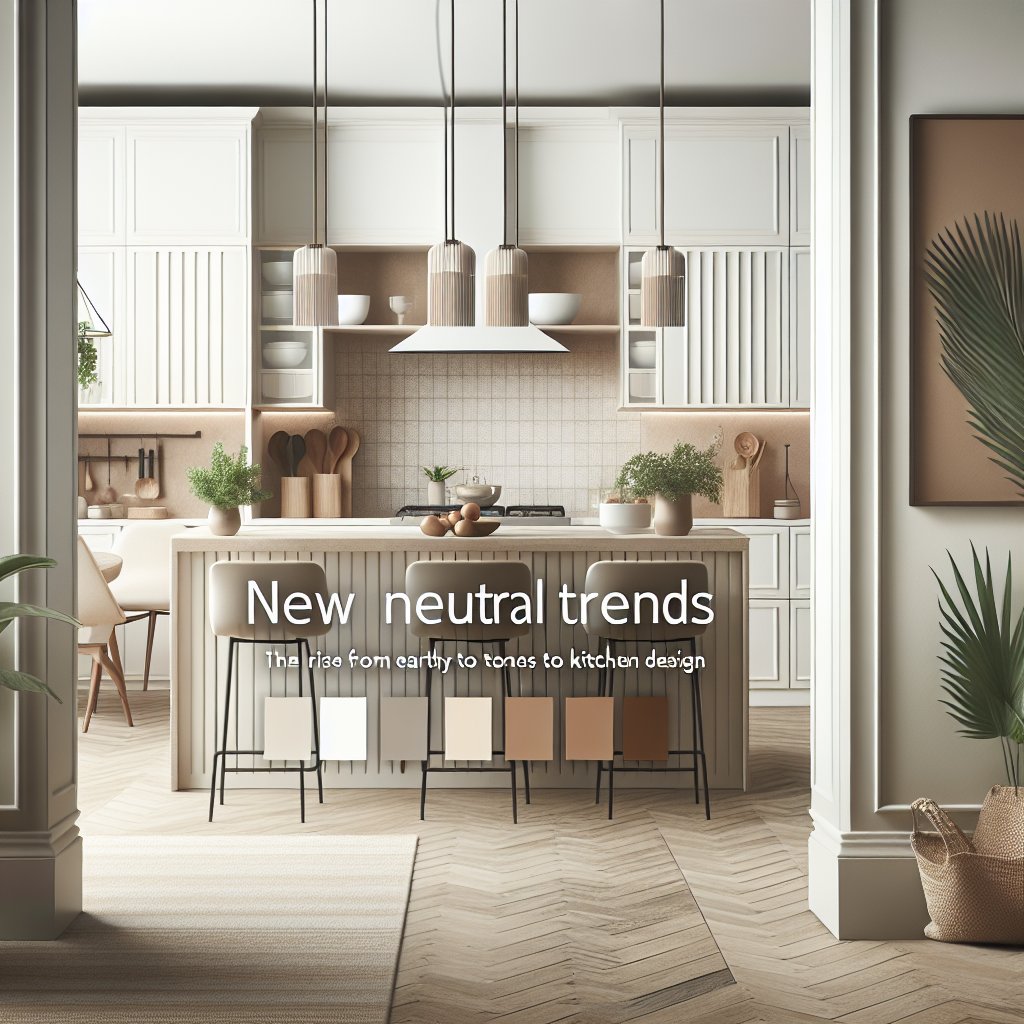
For years, the all-white kitchen has reigned as a favorite due to its timeless appeal and resale friendliness. However, in the evolving world of design, it’s beginning to lose its grip as more designers and homeowners are opting for richer, warmer alternatives.
Warm earthy wood tones are becoming the new go-to in kitchen design, offering a refreshing twist on the classic neutral palette. These tones bring warmth, texture, and character to a space, making them a popular choice for kitchens that aim to be welcoming and unique.
Interior designer Mary Beth Sullivan of MB Sullivan Design suggests that white kitchens still have their place, especially when used in conjunction with rooms saturated in color. The flexibility of white can help when adding vibrant elements elsewhere, such as appliances or islands, she notes.
Nevertheless, white kitchens can sometimes appear sterile or impersonal if not designed thoughtfully. Shannon Askinasi, founder of Ash & Pine Interiors, advocates for warmer whites complemented by taupes, browns, and greys to add variety and depth.
For those intrigued by wood finishes, beautifully stained wood cabinets and butcher block counters are excellent alternatives to the starkness of marble. Sullivan emphasizes the importance of harmonizing the type of wood used for cabinets with other wood elements in the home to ensure a cohesive look.
Askinasi adds that incorporating wood elements can create a cozy, grounded atmosphere, especially in a home with ample natural light or tiled floors. However, she cautions against overdoing it, which can inadvertently give a “log cabin” feel.
One way Askinasi recommends modernizing a white kitchen without extensive renovation is by replacing specific sections, like an island or a wall of cabinetry, with wood. This allows for experimentation with the aesthetic on a smaller scale before committing to a complete overhaul.
Ultimately, the best kitchen design is one that aligns with personal taste and complements the overall aesthetic of the home. While trends come and go, creating a space that feels good to live in remains timeless.