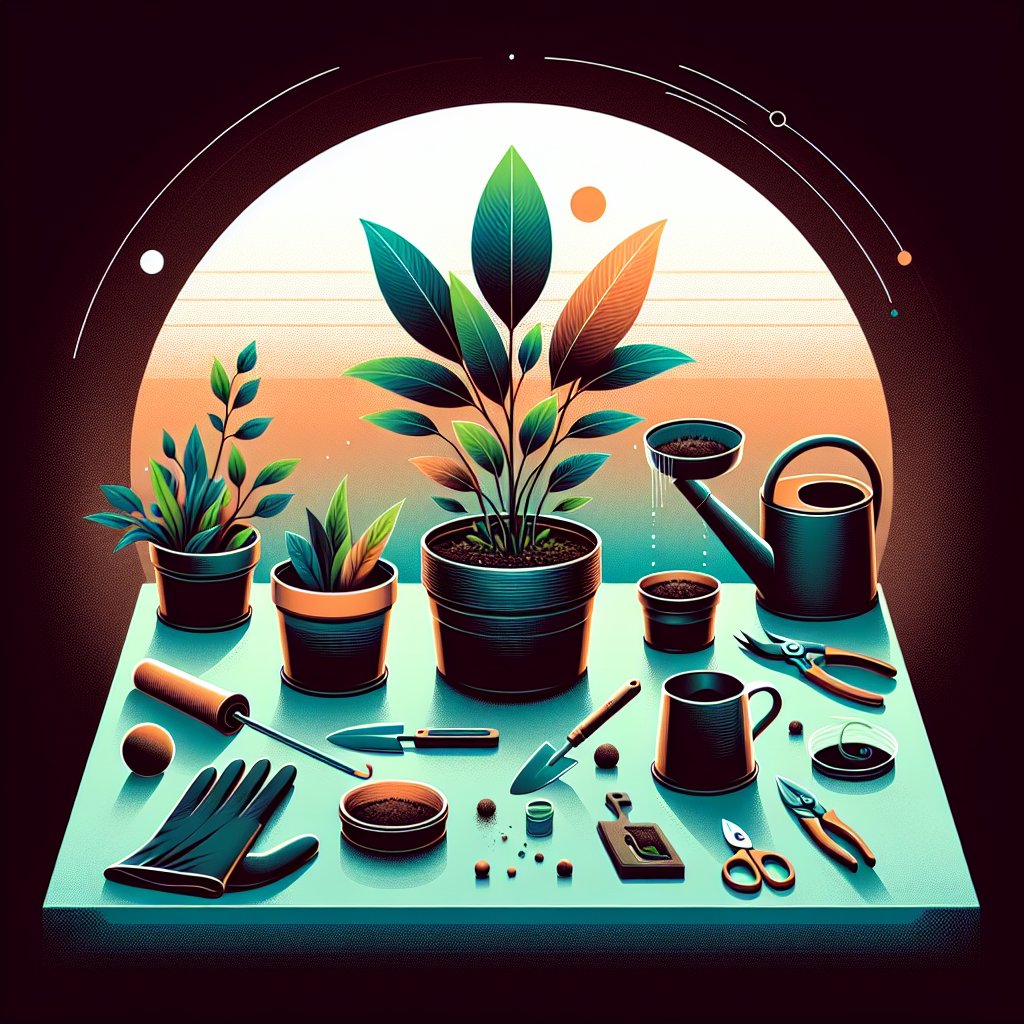
Recognizing when to repot your plants can make a significant difference in their health. Kim Toscano, a gardening expert with over two decades of experience, offers her insights to ensure your plants thrive. She emphasizes that young houseplants usually need repotting every six to 12 months, while older plants can benefit from a new home every few years. This process also benefits outdoor container gardens by refreshing soil and giving roots the space they need.
Start by choosing a pot that’s 1 to 2 inches larger than the current container, ensuring it has drainage holes to prevent root suffocation and disease. Use a potting mix with perlite to achieve the right balance between drainage and moisture retention. For outdoor containers, compost is an excellent choice, possibly enriched with a slow-release fertilizer.
When you’re ready to repot, carefully remove your plant from its container. For stubborn pots, consider using a flat tool to help ease your plant out. Address any circling roots by gently loosening them with your fingers, even if some break in the process.
Once prepared, reposition the plant in its new pot such that its crown remains slightly below the rim. Fill around it with soil, ensuring stability, and water thoroughly to help the plant adjust. Watch for tell-tale signs like roots protruding through drainage holes or plants drying out faster than usual, indicating it’s time to repot. Spring is ideal for this task, and these steps apply to both indoor and outdoor plants, allowing you to care for any type of container plant.
Repotting is not just beneficial for fast-growing plants; slow growers can also enjoy refreshed soil and nutrients without changing their container size. With these tips, your plants will not only survive but thrive.