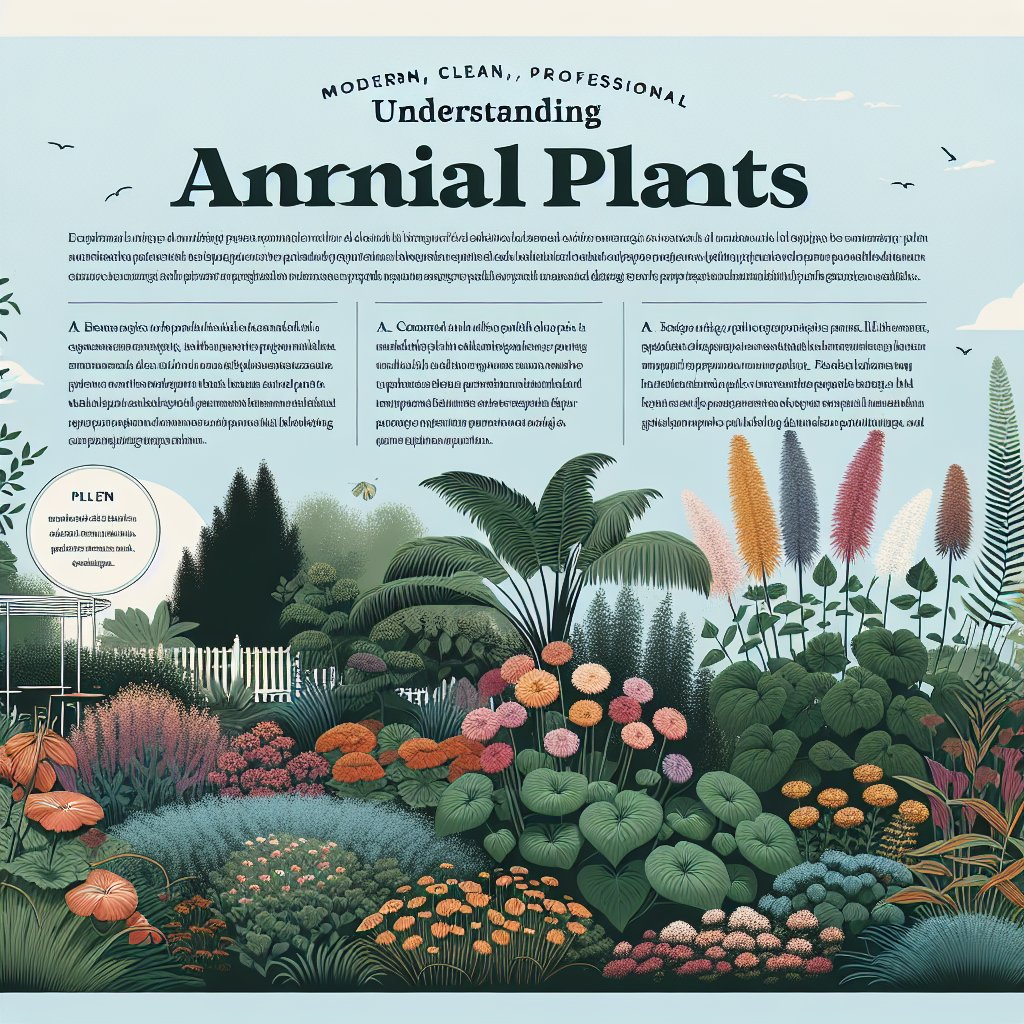
Annual plants are a cornerstone of gardening, whether you’re cultivating a beginner’s container garden or have years of gardening experience. They complete their life cycle within a single growing season, which means new plants need to be sown annually. These plants include many herbs, vegetables, and flowers, such as marigolds, zinnias, and cucumbers, which are beloved for their ease of growth and vibrant blooms.
In contrast, perennials like roses and tulips have life cycles extending beyond three years, allowing them to regrow season after season without replanting. Yet, how annuals and perennials grow can vary depending on local climate conditions. For instance, a plant might act like an annual in one weather zone but behave like a perennial in a more favorable climate.
Annuals are categorized based on their temperature preferences: cool-season, warm-season, and half-hardy annuals. Cool-season annuals, such as pansies, thrive in cooler weather and can handle frost. Warm-season varieties like marigolds need heat to grow, while half-hardy annuals like strawflowers can adapt to both cool and warm temperatures.
Annuals are essential for anyone wishing to cultivate an edible garden, as many vegetables and herbs belong to this category. Cucumbers, potatoes, and peppers are just a few examples. While perennial plants provide a cost-effective, long-term gardening option, annuals offer the appeal of changing aesthetics, extended bloom periods, and experimentation opportunities. By planting annuals, you can enjoy a colorful garden throughout the year and explore different plant varieties each season.
Apart from vegetables, popular annual flowers include begonias, petunias, and sunflowers. These plants provide a splendid array of colors, often attracting butterflies and bees, making them an essential addition to a pollinator-friendly garden.
Ultimately, whether you prefer the bold sunflowers or the dainty verbenas, integrating annual plants into your garden provides continuous color and diversity, allowing you to experiment and adapt your garden to your tastes and needs each year.