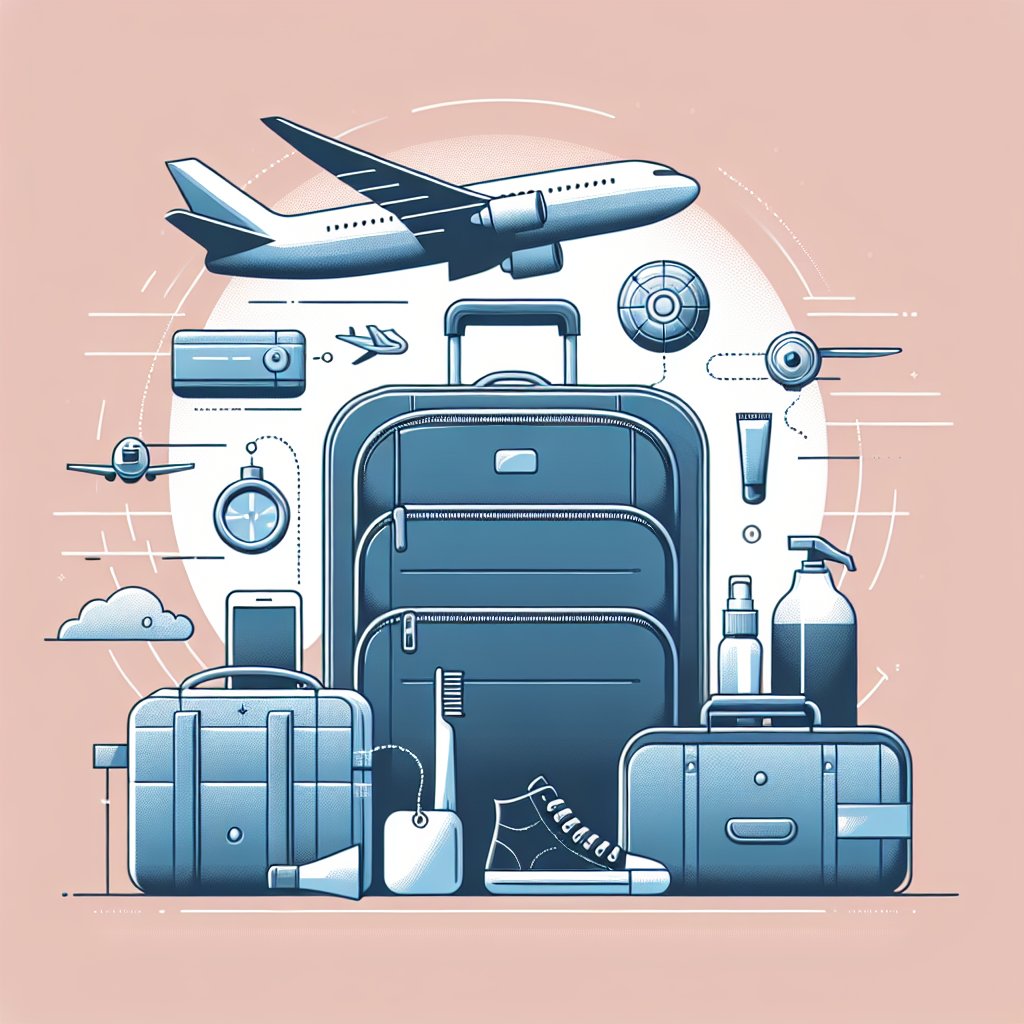
Navigating the Transportation Security Administration’s (TSA) rules for carry-on luggage can be challenging, but a dedicated checklist can ease your packing process. Preparing for a trip is more straightforward when you understand what is allowed in your carry-on. We’ve simplified the rules into three categories: items you can carry on board, those you must check, and prohibited items.
Certain small tools, like screwdrivers and pliers under seven inches, are permitted, along with nail clippers, pill cutters, bottle openers, and small scissors with blades of four inches or less. Other tools should be securely wrapped and placed in checked baggage.
Most liquids, such as beverages and toiletries, gels like hair gel and toothpaste, aerosols in spray cans, and certain food items follow the 3-1-1 rule: they must be in containers no larger than 3.4 ounces and fit in a quart-size zip-top plastic bag. Certain exceptions exist, like medically necessary liquids.
While contact lens solution as a medically necessary liquid can exceed this rule, it may still be seized if flagged. Carry enough for the flight and check larger quantities.
Passengers can bring lighters and a book of safety matches onboard, but strike-anywhere matches are banned. Batteries, including AA and lithium varieties, have specific carry-on rules.
Materials for knitting and needlepoint are allowed. Wrapped gifts are permissible but might be opened by screeners, so consider a gift bag.
Small portable electronics can remain in baggage, but larger items must be removed for screening. Medications and medical equipment are cleared for carry-ons but require declaring.
For family travel, baby-related items such as formula and breast milk exceed typical liquid rules but need to be declared.
Valuables like jewelry and currency should be kept with you, following security regulations. E-cigarettes are carry-on only due to FAA rules.
Razors, wedding dresses, small pets, and sporting goods have distinct rules. Check with airlines about specific policies, especially regarding weaponry and hazardous materials.
Solid wax candles are allowed, whereas gel-like ones aren’t. Alcohol over 70% alcohol content is prohibited on planes.
Always consult TSA guidelines and confirm with airlines for unique circumstances, ensuring a hassle-free journey.