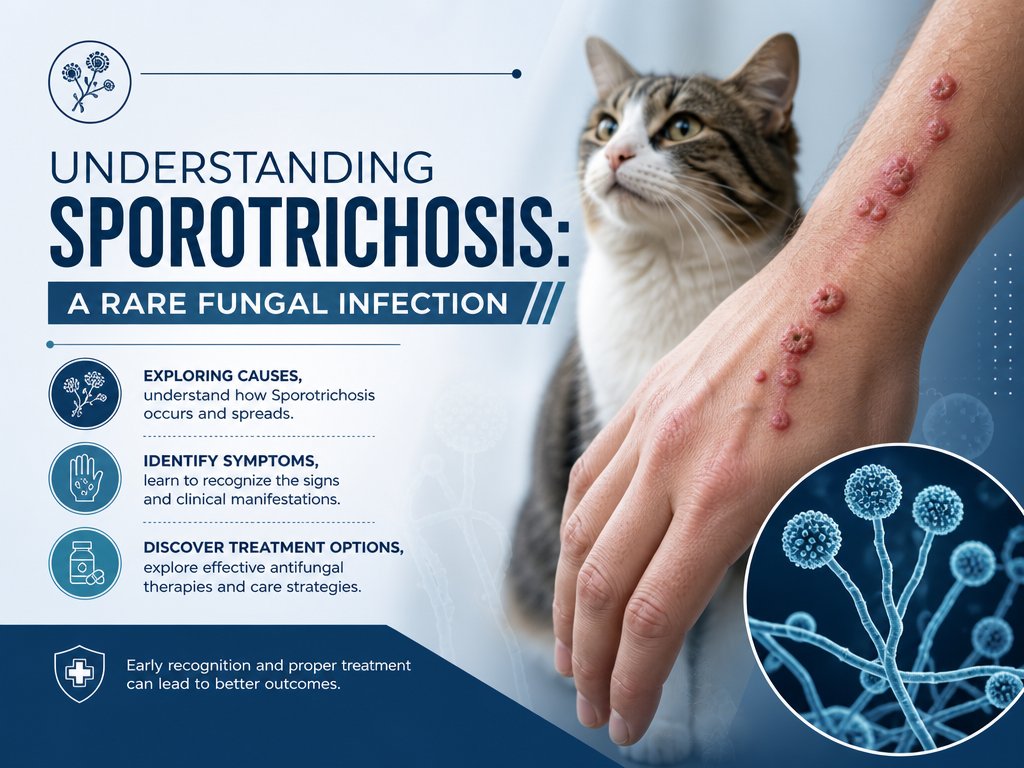
Introduction to Sporotrichosis
Sporotrichosis, often referred to as “rose handler’s disease,” is a rare fungal infection affecting both humans and animals. The causative fungus, Sporothrix, is commonly found in certain plants and soil, presenting a risk primarily to those handling such materials. This infection is particularly associated with gardening, landscaping, and professions involving soil and organic plant materials.
Symptoms and Progression
Initial Symptoms
In the early stages of infection, symptoms such as a small red, pink, or purple bump may appear, typically on an arm or hand. These bumps can take 1 to 12 weeks to manifest after exposure and may develop into ulcers as the condition progresses, sometimes accompanied by a severe rash or conjunctivitis. Often mistaken for insect bites, these lesions can become larger and more persistent if untreated, requiring medical intervention to prevent further complications. Additionally, sporotrichosis may present flu-like symptoms in its initial phase, which can include minor aches, chills, and a low-grade fever.
Advanced Symptoms
If untreated, sporotrichosis can lead to more severe conditions, spreading to other body parts, including bones or the central nervous system, especially in individuals with weakened immune systems. Advanced symptoms might involve swollen lymph nodes, fever, fatigue, and general malaise. Early recognition and treatment are crucial for preventing the dissemination of the infection to internal organs. In extreme cases, particularly when the infection is systemic, there might be signs of difficulty in coordination or neurological abnormalities, indicating the need for immediate medical attention.
Causes and Transmission
The Sporothrix fungus is prevalent worldwide but more so in regions like Central and South America. It thrives in environments associated with rose bushes, hay, and moss. Contact with these can result in infection, especially through open wounds or abrasions. Sporotrichosis can also be contracted via scratches or bites from infected animals, such as cats, which can harbor the fungus on their claws or skin. This zoonotic aspect emphasizes the importance of hygiene and caution when interacting with potentially infected animals. In rarer cases, those working in veterinary settings or animal shelters might face increased exposure, necessitating rigorous adherence to safety protocols to minimize risks.
Pulmonary Sporotrichosis
Inhalation of fungal spores can lead to pulmonary sporotrichosis, causing respiratory symptoms such as cough, fever, and chest pain. This form of the disease is rarer but can be serious, particularly for those in close contact with contaminated environments without appropriate protective measures. Chronic cough, difficulty breathing, and weight loss are possible indicators if the infection progresses undetected. For those with preexisting respiratory conditions, such as asthma or COPD, pulmonary sporotrichosis may provoke exacerbations, necessitating vigilant monitoring and early treatment to forestall complications.
Diagnosis and Treatment
Diagnosis involves a comprehensive medical examination and specific lab tests, including skin biopsies, cultures, and blood tests. Imaging tests might also be employed to assess the extent of internal involvement. Treatment primarily involves antifungal medications like itraconazole or IV treatments with amphotericin B for severe cases. Surgical intervention may be required for lung infections or when lesions do not respond to medication. The treatment duration can vary from weeks to months, depending on the severity and location of the infection. In addition to medical interventions, patients are encouraged to maintain good nutrition and hydration to bolster their recovery from sporotrichosis.
Preventive Measures
To reduce infection risks, wearing gloves and long clothing when handling plants and soil is advisable, along with ensuring any wounds are covered to prevent fungal entry. People working in high-risk environments should also consider using protective equipment, such as face masks, to avoid inhaling spores. Maintaining general hygiene, including regular hand washing, is equally important in reducing the likelihood of contracting sporotrichosis, especially after potential exposure. Community education regarding the identification and management of quarantined belongings possibly exposed to fungal spores can aid in reducing the spread.
Conclusion
While sporotrichosis is rare and usually not life-threatening, prompt diagnosis and treatment are crucial to prevent potentially severe complications. Awareness and education about the disease can further aid in early identification and management. Protective measures are recommended for those at occupational risk, as they can significantly reduce the chance of infection. Being informed about sporotrichosis and its potential risks allows individuals, especially those in susceptible industries, to take proactive steps in safeguarding their health and ensuring the well-being of those around them. Consistent use of preventive strategies and vigilance regarding symptoms can effectively mitigate the impact of this infection. Encouraging collaboration between healthcare providers and public health officials is essential to facilitate early detection and develop targeted interventions, minimizing the prevalence of sporotrichosis.