Introduction
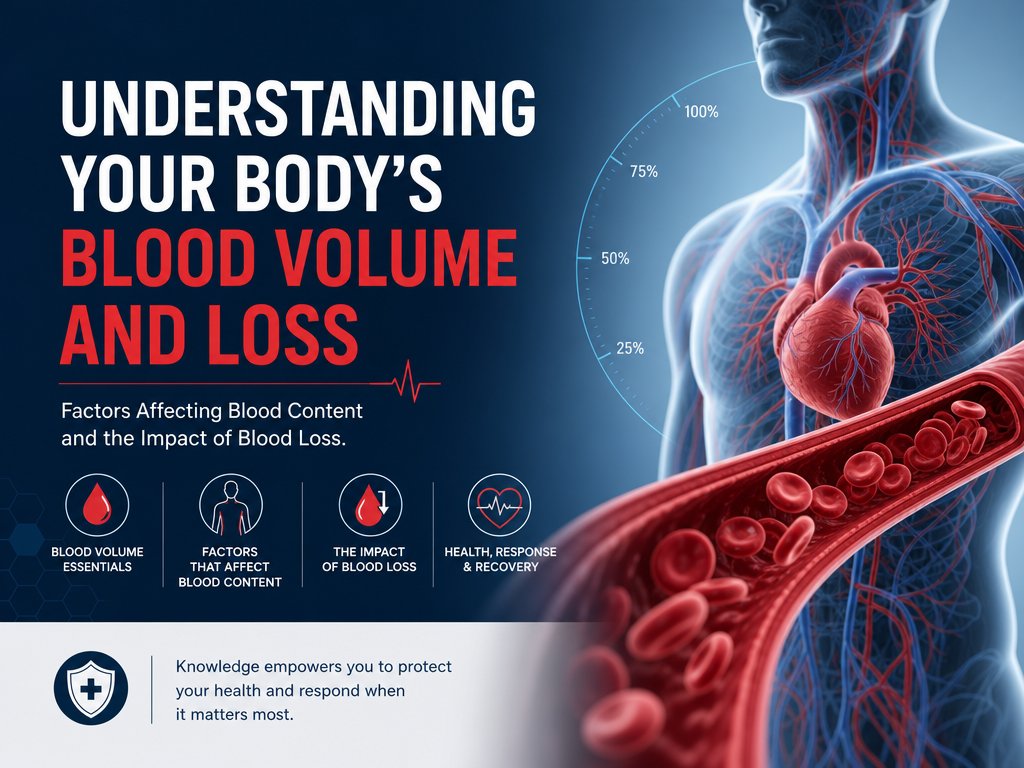
Your blood volume constitutes about 7% of your body weight, although this percentage can fluctuate depending on several factors such as sex, age, and environmental conditions. This article delves into typical blood volumes, the factors that influence them, and the repercussions of substantial blood loss.
Factors Influencing Blood Volume
Blood volume varies based on several factors. At higher altitudes, people tend to possess a higher blood volume; this adaptation is due to the thinner air and lower oxygen levels, which stimulate an increase in red blood cell production to enhance oxygen transport. Body size and composition also play roles in determining blood volume; individuals with larger body sizes typically have a greater blood volume. Gender differences are also notable; males often exhibit higher blood volumes due to differences in body composition.
Understanding Hemorrhagic Shock
Substantial blood loss can lead to hemorrhagic shock, a serious condition in which the body’s vital organs are deprived of adequate oxygen and nutrients. This can occur from various causes such as traumatic accidents, severe cuts, or internal bleeding resulting from medical conditions.
Classes of Hemorrhagic Shock
Medical professionals classify hemorrhagic shock into four stages, depending on the volume of blood loss. Class IV represents the most severe stage, potentially fatal if not treated immediately. Normally, losing up to 30% of blood (roughly 1,500 mL) may not affect pressure and heart rate critically. However, losing more than 40% of blood volume (approximately 2,000 mL) can be life-threatening unless rapid interventions, such as blood transfusions, are administered. Early recognition and swift treatment are of utmost importance in effectively managing shock.
Measuring Blood Volume
Direct measurement of blood volume is often impractical; therefore, doctors usually estimate it. Tests such as hemoglobin and hematocrit levels provide indirect measurements. These complement assessments of fluid balance, body weight, and hydration status. Coupled with examinations of electrolytes and red blood cell counts, these indicators assist in inferring blood volume and overall health status.
Response to Trauma and Blood Loss
Following significant trauma, emergency responders assess the patient’s weight and vital signs to estimate the blood loss accurately. Prompt fluid replacement and blood transfusions are imperative to avert potentially fatal outcomes. Access to advanced medical support is essential in these situations.
Conclusion
Gaining an understanding of blood volume, the factors influencing it, and the critical thresholds for loss is crucial in identifying risks and responding effectively to blood loss scenarios. This knowledge underscores the significance of immediate medical care in severe cases of blood loss, as timely intervention can be lifesaving. Raising awareness and providing education about blood volume and its implications can substantially aid response efforts during emergencies.