The Alarming Rise of the NyQuil Chicken Challenge on TikTok
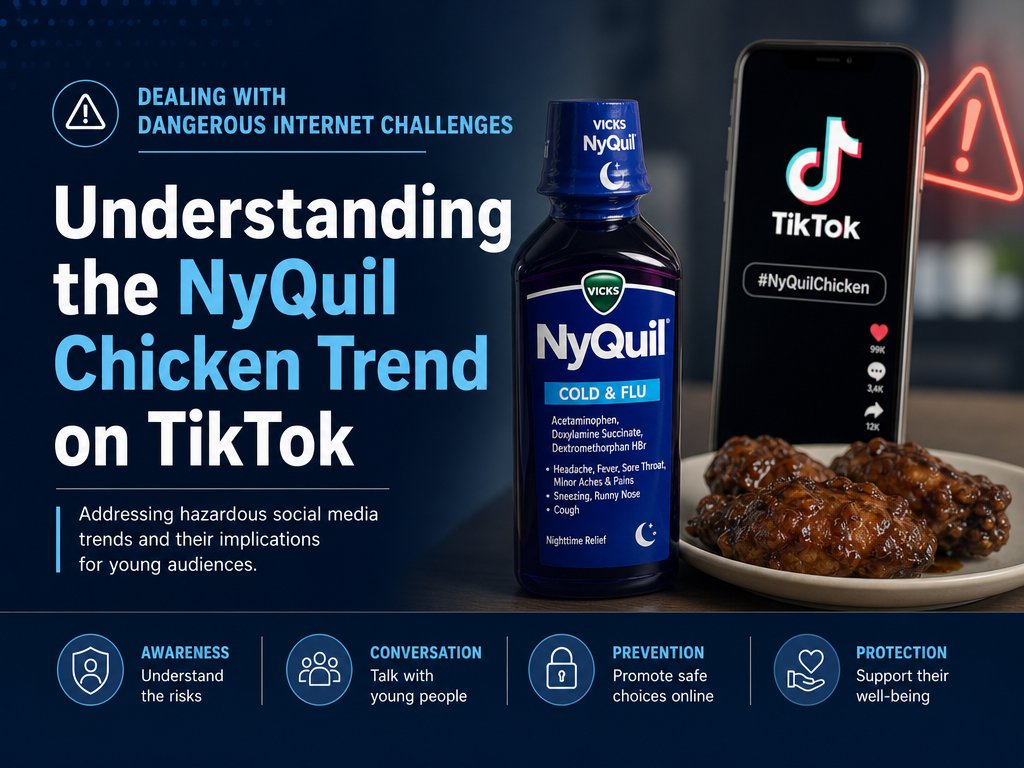
The notoriety of the NyQuil Chicken Challenge exemplifies the perilous nature of modern social media trends. This TikTok challenge involves the risky act of cooking chicken in the medication NyQuil, which poses severe health threats. With influencers often shaping the narrative, it’s worrying how such dangerous activities can gain traction so quickly, primarily among impressionable youths seeking novelty and online recognition.
In recent times, the rise of social media platforms like TikTok has led to the creation and dissemination of various trends that often have a significant impact on the behavior of young individuals. The NyQuil Chicken Challenge is one such trend that demonstrates how easily misinformation and hazardous activities can be amplified across the internet, drawing attention and participation due to its shock value and the thrill of experimentation it offers to a young audience.
FDA’s Warning and Health Experts’ Concerns
The U.S. Food and Drug Administration (FDA) has explicitly advised against this activity, emphasizing that boiling medicines like NyQuil not only changes their properties but can lead to hazardous inhalation of vapors. Dr. Betty Choi and other healthcare providers unequivocally stress the dangers of this challenge, highlighting that misusing medications in such a manner is unsafe, potentially leading to accidental overdoses and respiratory distress, among other serious health complications.
Moreover, expert analysis indicates that engaging in such practices not only poses immediate health risks but could also foster a cavalier attitude towards drug consumption among teenagers. This is particularly concerning given the growing trend of self-medicating without proper guidance. The admonitions from health professionals are clear: altering the chemical composition of medications by cooking them is not only unapproved but also highly perilous.
Understanding the Risks of NyQuil Misuse
NyQuil, commonly used for alleviating cold symptoms, contains a blend of ingredients that, when misused, can cause significant harm. Howard Pratt from Community Health of South Florida, Inc. notes that heating NyQuil increases its potency, leading to the evaporation of compounds that turn toxic during concentration. This transformation can cause unforeseen reactions in the body if consumed, further emphasizing the critical danger posed by altering medication properties through unapproved means.
Understanding the intricacies of how medications like NyQuil are designed to operate at specific doses and temperatures is crucial. When altered, these properties can result in unpredictable and potentially dangerous outcomes. Toxicology experts have also raised concerns about the long-term health ramifications of inhaling or ingesting chemically altered substances, which could lead to chronic health issues that are not immediately apparent.
Why Young People Are Drawn to Such Challenges
The brains of young people, specifically those under 25, are still developing, which makes them more prone to engaging in risky behaviors. Dr. Julian Lagoy points out that the frontal cortex, responsible for judgment, is the last to mature, fostering a propensity for daring activities. This inclination towards risk-taking becomes further magnified in the digital age, where teenagers and young adults often seek validation through likes, shares, and comments on social media platforms.
Psychologists emphasize that during adolescence, individuals are more susceptible to external influences and peer validation, which can sometimes lead them to overlook the dangers of their actions. The allure of being seen as adventurous or entertaining can overshadow the potential negative consequences, further fueled by the highly visible metrics of success on platforms like TikTok.
Peer Pressure and Social Influence
The idea of a challenge becoming viral reinforces peer pressure among this demographic. Despite appearing harmless on social media, these actions are often edited to mask real consequences, which can mislead youth into believing such challenges are without risk. With clever editing and the allure of being part of a trending topic, social media can blur the lines between reality and fiction, creating an environment where reckless behavior is glamorized and potential dangers are underestimated.
The role of social influencers, who are often viewed as authoritative figures or trendsetters, can significantly magnify the impact of such challenges. When influencers participate in or promote these activities, it can legitimize the behavior in the eyes of their followers, leading to a wider acceptance and participation rate among impressionable audiences.
Guiding Young Minds in Navigating Online Trends Safely
Effective communication about the implications of the NyQuil Chicken Challenge, especially from parents and guardians, can mitigate risks. Experts like Dr. Sara Siddiqui suggest open discussions that go beyond simple warnings to help young people understand the reality and dangers associated with these online trends. This proactive approach links education with real-life examples, making the dangers more tangible and encouraging more thoughtful decision-making when faced with similar online content.
Additionally, educational institutions can play a role by incorporating discussions around online behavior and digital literacy into their curricula. By providing a structured environment where these conversations can occur, schools can reinforce the importance of questioning and critically evaluating online content, preparing students to navigate digital spaces safely and responsibly.
Creating a Dialogue about Drug and Internet Safety
It’s crucial for trusted adults to set an example by discussing medicine safety and its intended use. Engaging youths in conversations about medication purposes and safe online behaviors encourages better judgment. By contextualizing these discussions within the broader scope of responsible online engagement, adults can foster environments that promote critical thinking and self-regulation among teens, equipping them with the skills needed to discern safe practices from hazardous ones.
Encouraging community involvement, such as workshops or seminars led by healthcare professionals and tech experts, can further bolster understanding and cooperation in addressing these challenges. Collective efforts, including collaboration with digital platforms to quickly identify and mitigate harmful content, can create a safer digital landscape.
Conclusion: The Importance of Awareness and Education
The NyQuil Chicken Challenge reiterates the persistent issue of irresponsible social media use. By informing youth about the gravity of these trends and encouraging cautious use of social platforms, we can transform this into a learning moment about the responsible consumption of both medication and internet content. Harnessing these discussions might not only prevent harm but also empower the younger generation with the knowledge and confidence to challenge irresponsible trends, fostering a more mindful and informed online community.
In today’s interconnected world, fostering digital resilience and critical thinking among young individuals is pivotal. The NyQuil Chicken Challenge serves as a stark reminder of the potential dangers lurking in seemingly harmless internet trends. By advocating for comprehensive digital education and ongoing dialogue, society can help equip its younger members with the discernment needed to safely navigate the complex landscape of modern social media.
Moreover, promoting media literacy from an early age can help youngsters develop the skills necessary to differentiate between trustworthy and dubious content online. By emphasizing the importance of skepticism and questioning sources, we can empower young people to make informed decisions and safeguard themselves against the potential harms of misleading or perilous information. Through education and open dialogues, we aim to foster a generation better prepared to handle the intricacies of the digital age responsibly.